






Good vision health is key for your overall well-being. Regular vision checkups help spot problems early. This ensures you get the right treatment and keep your vision sharp.
Many people don’t see the value of eye checkups until they have vision issues. But, getting regular vision checkups can catch problems before they get worse. This way, you can get help right away.
By focusing on your eye health, you’re taking a big step towards clear vision and better health. Regular checkups can find issues early. This makes treatment more effective and improves your long-term health.
Why Regular Eye Checkups Are Essential
Regular eye exams are vital for catching eye diseases early. They help find problems like cataracts, diabetic retinopathy, and glaucoma when they’re easier to treat.
Many eye diseases start without symptoms. For example, glaucoma can damage your sight before you even notice it. Regular eye exams can spot these issues early, helping prevent vision loss.
Early detection is critical for treating eye diseases well. For diabetic retinopathy, catching it early can prevent blindness. Cataracts can also be treated early, improving your vision and life quality.
Eye exams do more than just check for eye diseases. They also check your overall health. They can show signs of diseases like diabetes and high blood pressure. This shows how important eye health is for your whole body.
In short, making eye exams a regular part of your health care is key. It helps keep your eyes healthy and prevents vision loss. By catching eye diseases early, you can protect your vision and health.
Recommended Frequency for Eye Checkups
The need for eye checkups changes with age, with special rules for kids. It’s key to get kids’ eyes checked early to catch problems fast.
For kids, the American Academy of Ophthalmology says the first eye exam should be at 6 months of age. This first check is important to spot any birth defects or early vision signs. Then, another exam is needed at age 3, and before they start school.
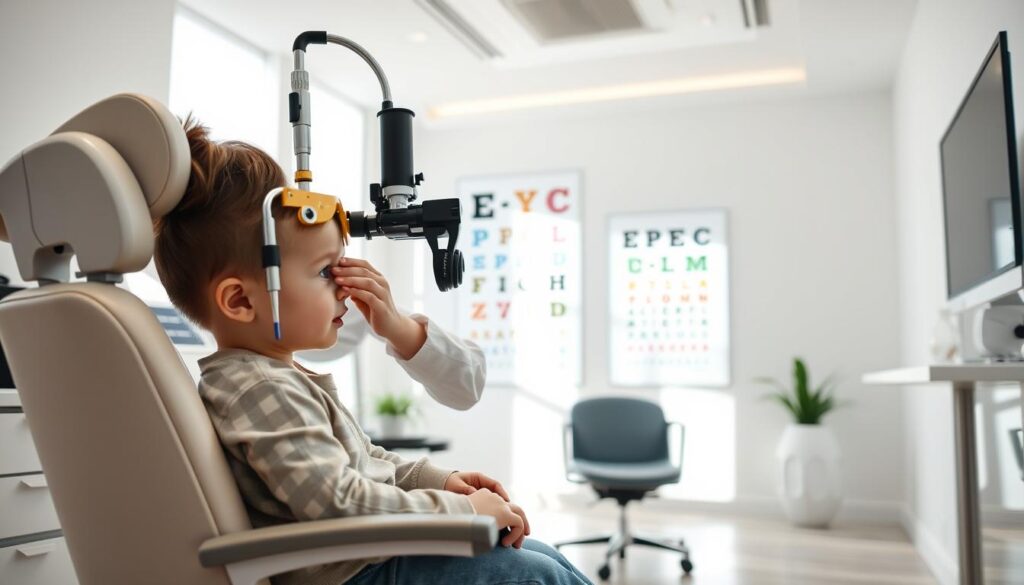
Kids with a family history of eye issues, developmental delays, or certain health problems might need more eye exams. It’s smart for parents to talk to an eye doctor to figure out the best schedule for their child.
For kids in school, eye exams are very important. They help with learning and growing. Vision problems can be fixed if caught early, making regular eye exams key.
By sticking to these age-based guidelines and keeping up with regular check-ups, parents can make sure their kids’ children’s eye health is a top priority. This sets them up for a lifetime of good vision and healthy eyes.
Signs You Need an Eye Checkup
Vision problems can show up in many ways, telling you it’s time for a professional eye checkup. If you notice any unusual symptoms, it’s important to know what they might mean for your eyes.
Common Signs Indicating the Need for an Eye Checkup
Several symptoms mean it’s time to see an eye care professional. These include decreased vision, making it hard to read or see things clearly. Eye pain or discomfort is also a big sign; it could mean there’s a problem that needs fixing.
Double vision and floaters are symptoms you shouldn’t ignore. Double vision can make everyday tasks hard. Floaters, though usually harmless, can sometimes signal a serious issue.
If you see more floaters suddenly or with flashes of light, get medical help right away.
Knowing these signs and what they mean is key to keeping your eyes healthy. If you’re having any of these vision problems, it’s time to see an eye care professional. They can do a full eye exam, find out what’s wrong, and suggest the right treatment.
What to Expect during an Eye Exam
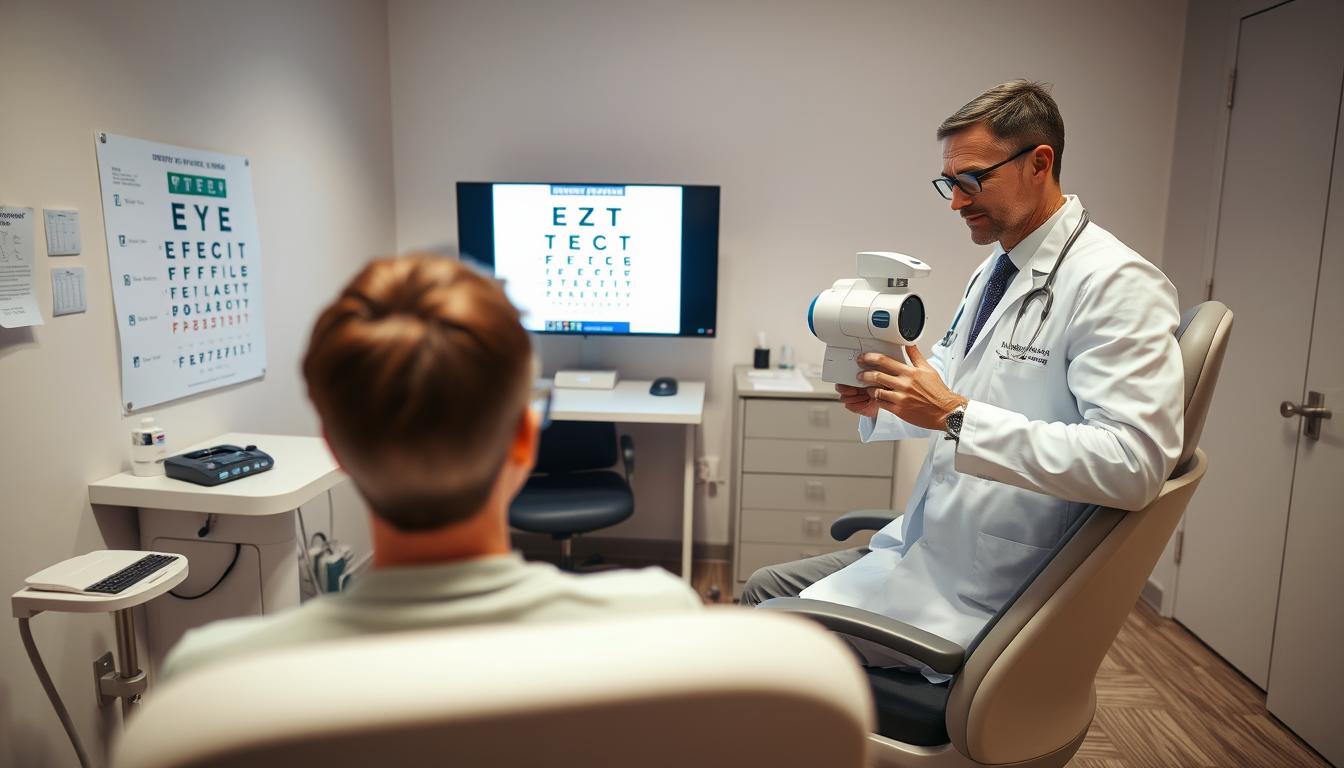
Knowing what happens during an eye exam can make you feel more at ease. A comprehensive eye exam checks your vision and eye health in detail.
A comprehensive eye exam includes several key procedures. It starts with a review of your medical history and any symptoms you have.
The first test is the visual acuity test. It checks how sharp your vision is. You’ll read letters of different sizes on an eye chart.
Next, a refraction test is done to find the right lens for you. You’ll look through a phoropter to see which lenses are clearest.
An eye health evaluation also happens. It looks for signs of eye disease or other conditions. Your pupils might be dilated to see inside your eyes.
Understanding the comprehensive eye exam procedures helps you feel ready. You’ll see how thorough the assessment is.
Choosing the Right Eye Care Professional
Choosing the right eye care professional is key for good eye health. Optometrists and ophthalmologists are the main ones. Each has a special role.
Optometrists handle basic eye care. They do eye exams, give out glasses and contacts, and spot common eye issues. They’re important for keeping your eyes healthy and catching problems early.
Ophthalmologists, on the other hand, are medical doctors for eye surgery. They deal with serious eye problems and can do eye surgery.
Deciding between an optometrist and an ophthalmologist depends on your eye needs. Optometrists are great for regular check-ups and basic care. But, if you need surgery or have a complex eye issue, an ophthalmologist is better.
It’s also important to check credentials. Make sure your eye care professional is licensed and has experience. Reading reviews and asking for referrals can help you choose wisely.
Knowing what each eye care professional does helps you make the right choice. This way, you get the best care for your eyes.
Preparing for Your Eye Appointment
Getting ready for your eye appointment means collecting your medical history and current meds. This info is key for your eye doctor to understand your health and vision.
Gathering Relevant Information
To get a full eye exam, you need to gather important details. This includes your medical history, current meds, and past eye care. “Knowing your medical history helps your eye doctor spot risks and give you the best care,” says a top optometrist.
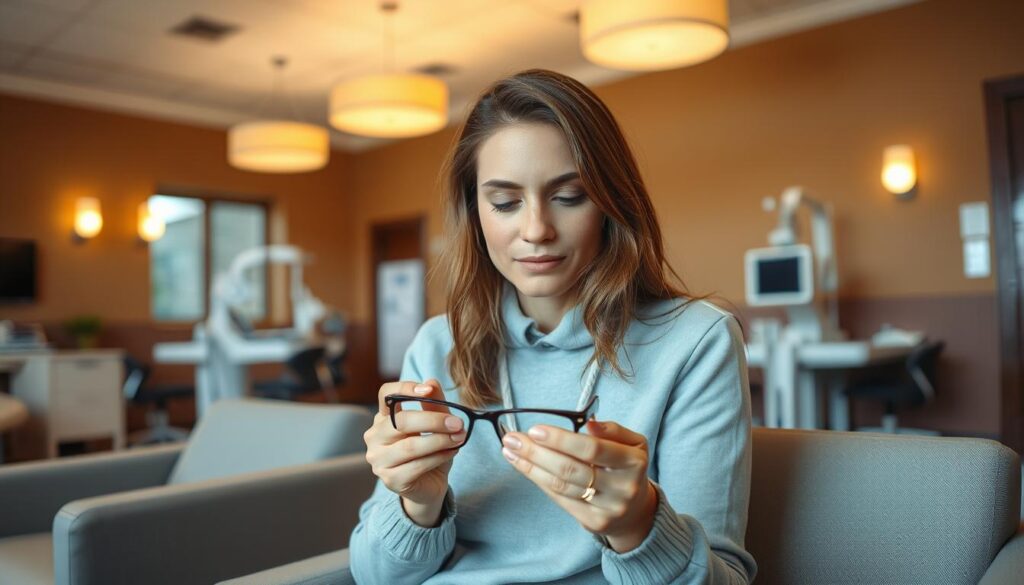
Your medical history is very important for your eye health. Some health issues can affect your vision. Your eye doctor needs to know about these to help you best.
Current Medications
Some meds can affect your vision. Telling your eye doctor about your meds helps them advise on eye health. This includes both prescription and over-the-counter drugs, and supplements.
Previous Eye Care
Sharing your past eye care is also key. This includes any surgeries, conditions, and treatments. This info helps your eye doctor understand your eye health history and make better decisions for you.
“The more info your eye doctor has, the better they can tailor care to you,” says an eye health expert.
Being ready with your medical history, current meds, and past eye care makes your appointment better. This preparation helps your eye health and makes your experience better.
Understanding Eye Test Results
Understanding your eye test results is key to good eye health. When you get your results, you’ll learn about your eye health and vision needs.
Your eye exam results will show if you have nearsightedness, farsightedness, or astigmatism. They also check for eye diseases like cataracts, glaucoma, or age-related macular degeneration.
Your eye care professional will explain your results in detail. They’ll talk about your prescription for glasses or contacts. They might also suggest more tests or treatments.
It’s important to ask questions about your eye test results. Knowing what your results mean helps you take care of your eyes. This might mean more appointments, starting new eye care habits, or just keeping up with regular check-ups.
Being informed about your eye health lets you work with your eye care provider. Regular eye exams are key to catching problems early. This makes them easier to manage.
Eye Care Routines Between Checkups
Practicing daily eye care is key to keeping your eyes healthy between visits. Good eye care routines include hygiene, breaks from screens, and healthy habits. These steps are vital for your eye health.
The 20-20-20 rule is a simple yet effective tip. Every 20 minutes, look away from screens and focus on something 20 feet away for 20 seconds. This reduces eye strain from too much screen time.
Proper hygiene is also important. Wash your hands regularly, before touching your eyes or handling contact lenses. Avoid rubbing your eyes to prevent bacteria and irritants.
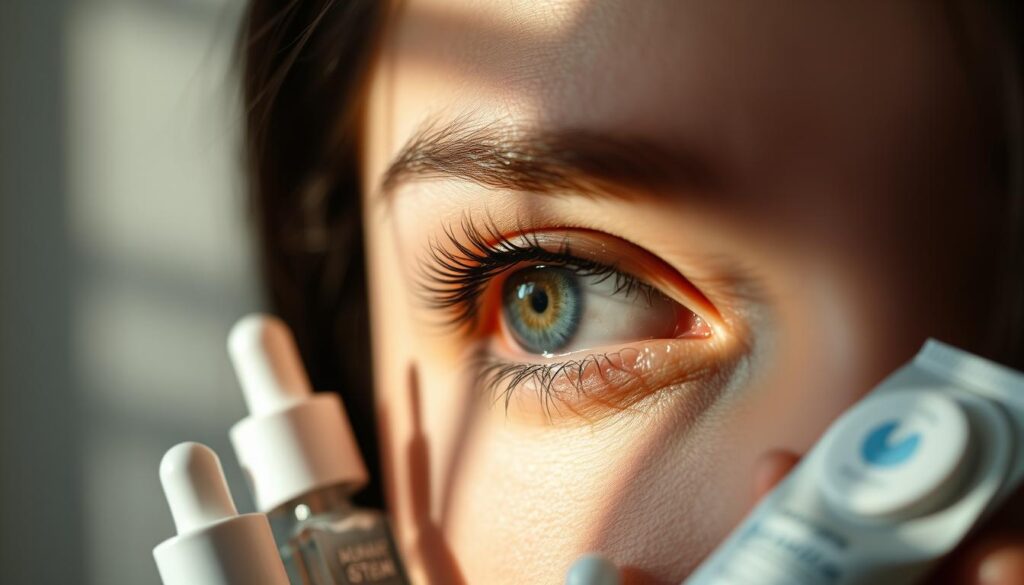
Living a healthy lifestyle also helps your eyes. Eat foods rich in nutrients like omega-3 fatty acids, lutein, and zeaxanthin. These are good for your eyes.
Daily Habits for Healthy Vision
Developing daily habits for eye health is important. Wearing sunglasses with UV protection outdoors protects your eyes from harmful rays.
Being mindful of your overall health also affects your eyes. Regular exercise, not smoking, and managing chronic conditions like diabetes help keep your vision healthy.
By following these eye care routines daily, you can keep your eyes healthy between checkups. This may also lower the risk of eye problems.
Technology in Vision Care
Technology plays a big role in vision care, affecting both how we diagnose and treat eye problems. New vision care technology has greatly improved how eye doctors work. It helps them find and fix vision issues better than before.
LASIK surgery is a big leap in eye care advancements. It uses lasers to change the shape of the cornea to fix vision. This has changed how we treat nearsightedness, farsightedness, and astigmatism.
Technology has also made diagnostic tools better. Now, we can spot eye problems early. For example, new retinal imaging can show detailed pictures of the retina. This helps catch diseases like diabetic retinopathy early.
Telemedicine is another big tech impact. It lets patients talk to eye doctors online. This makes eye care more accessible, even for those in hard-to-reach places.
Artificial intelligence (AI) is becoming more common in vision care too. AI can look at test data to help doctors find problems faster. This makes eye care more efficient and improves patient results.
As vision care technology keeps getting better, we’ll see even more new ideas. These advancements will help us diagnose and treat eye problems better. This will lead to better eye health for people all over the world.
The Role of Nutrition in Eye Health
Eating the right foods is key for eye health. The right diet can prevent vision problems and keep your eyes healthy.
Nutrients for Eye Health: Some nutrients are great for your eyes. Omega-3 fatty acids in fish like salmon and sardines are good. Lutein and zeaxanthin in spinach and kale protect your eyes from diseases.

Other important nutrients include vitamin A, vitamin C, and vitamin E. Vitamin A helps your eyes adjust to light. Vitamins C and E protect your eyes from damage.
Eating a variety of foods is important for eye health. Berries and nuts are full of antioxidants that help your eyes stay healthy.
Eating well and getting eye checkups are both important. Making smart food choices helps keep your eyes healthy.
Common Myths About Eye Health
Misconceptions about eye health are common and can harm your eye care. Many think glasses weaken their eyes over time. But this is a common myth with no scientific basis.
Wearing glasses actually fixes vision problems like nearsightedness and farsightedness. It makes seeing easier without eye strain. Another myth is that eating carrots greatly improves vision. While carrots have vitamin A, which is good for eyes, they won’t fix existing vision problems.
Some believe digital devices damage eyes permanently. But, while too much screen time can cause eye strain, it doesn’t harm your eyes forever. Following the 20-20-20 rule can help prevent eye strain.
Knowing the truth about these eye care misconceptions helps you make better choices for your eyes. Regular eye exams and good eye care are key to keeping your vision sharp.
Encouraging Family Members to Get Eye Checkups
It’s important to make eye health a priority for your family. By reminding everyone to get eye checkups, you help keep their vision sharp. This way, you catch any eye problems early.
Setting up regular eye exams together is easy. Just schedule them and remind each other. This habit helps everyone stay healthy and opens up conversations about eye health.
Creating a culture that values eye checkups is key. It teaches your family the importance of eye care. This proactive approach ensures everyone’s vision stays healthy for a long time.