







When your body temperature goes up, you might have a fever. This shows your immune system is fighting off an infection or illness.
A fever might feel bad, but it’s a natural defense. It helps your body fight off viruses or bacteria. This makes it harder for them to grow.
It’s important to know what happens with a fever. It’s not just about the body temperature going up. It’s about your immune system working to keep you safe.
Understanding Fever: What Is It?
To understand fever, we need to know how our body controls its temperature. Normal body temperature is about 98.6°F (37°C). But, it can change a bit for each person. A fever is when our body temperature goes over 100.4°F (38°C).
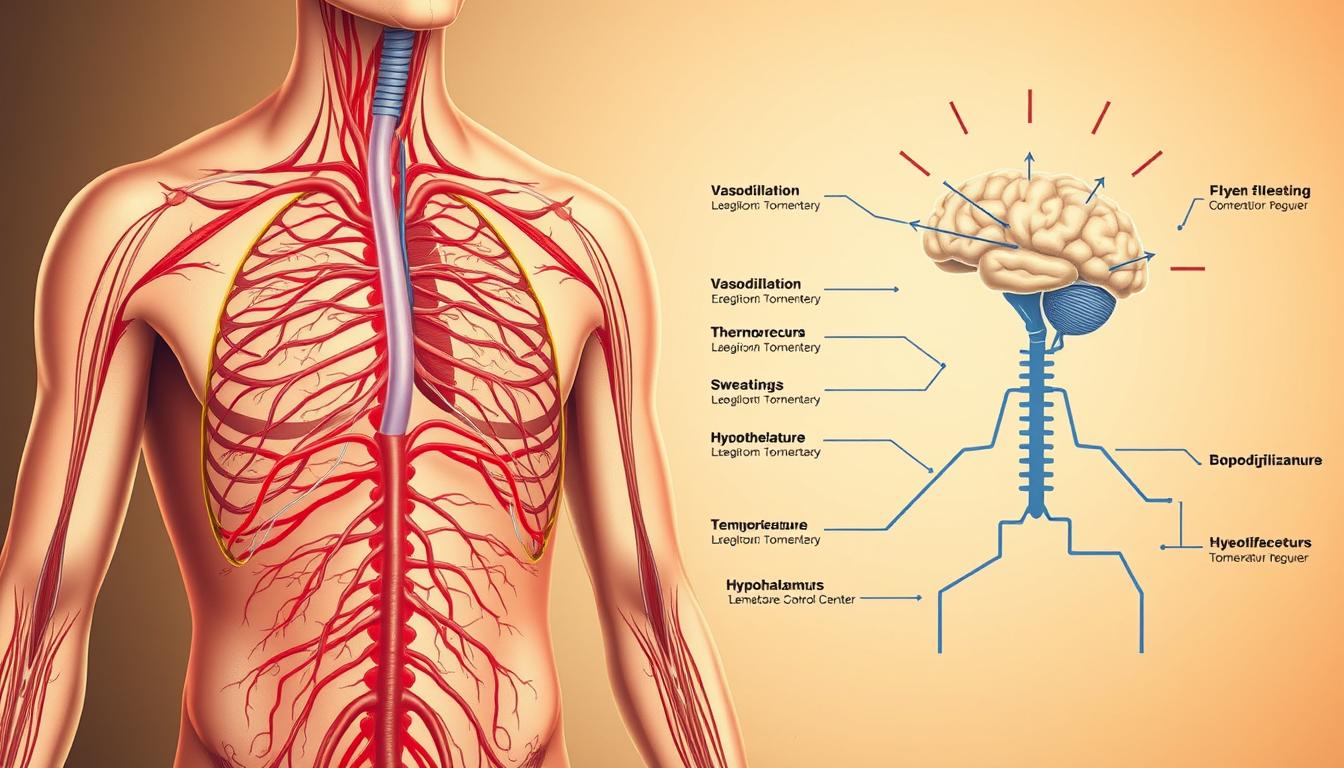
The hypothalamus, a small part of the brain, controls our body temperature. It works like a thermostat. When we get sick, our body sends signals to the hypothalamus. This makes our body temperature go up, causing a fever.
Fever is how our body fights off sickness. It shows our body is working hard to get rid of germs. Knowing about fever helps us understand why it’s important to watch our temperature and see a doctor if needed.
The definition of fever is linked to knowing what normal body temperature is. Even though 98.6°F (37°C) is normal, our temperature can change. This can happen because of how active we are or the environment around us.
Symptoms Associated with Fever
A fever can show itself in many ways, both physical and emotional. It’s important to know these signs to understand how serious the fever is. This helps decide what steps to take next.
Common signs of fever include sweating and chills. The body tries to keep its temperature right. A headache often happens because of the body’s fight against the fever. People might also feel muscle aches and be very weak.

Fever can also make you lose your appetite. This is because your body’s energy use changes. Kids might get irritable or fidgety. Not treating the fever right can lead to dehydration. This shows why drinking enough water is key.
Watching these signs closely is vital. They can show how bad the fever is. Knowing these symptoms helps you handle your fever better. It also tells you when to see a doctor.
The Body’s Response to Fever
The body’s fight against fever involves theimmune systemand thehypothalamus. When an infection is found, the immune system kicks in. It releases chemicals and cytokines that tell the hypothalamus to raise the body’s temperature.
The hypothalamus, like a thermostat, makes the body warmer. This higher temperature makes it harder for many pathogens to grow. It helps the body fight off the infection.
As the body gets warmer, it starts to make more heat and lose less. It shivers to make heat and tightens blood vessels near the skin to keep warmth in.
The immune system works better when it’s warmer. This teamwork between the hypothalamus, the immune system, and the body’s responses shows how complex fighting infection is.
Learning about how the body responds to fever helps us understand its complex processes during an infection. It shows how important the hypothalamus and the immune system are in this fight.
Types of Fever
Fevers are classified into several types, each with its own characteristics. Knowing these types helps identify the cause of the fever.
Fevers can be acute or persistent. Persistent fever, or prolonged fever, lasts more than a week. It often signals a serious condition.
Fevers can also be classified by their pattern. There’s intermittent, remittent, and continuous fever. Intermittent fever has episodes of fever with normal periods in between. Remittent fever has temperature swings but never fully returns to normal. Continuous fever stays steady, with little fluctuation.
Knowing the different types of fever is key for diagnosis and treatment. Certain infections match specific fever patterns.
Healthcare professionals use fever types to find causes and plan treatments. Accurate diagnosis and understanding of fever types are vital.
Diagnosing the Cause of a Fever
Fever diagnosis is a mix of medical history, physical check-ups, and lab tests. When someone has a fever, the first thing is to take a detailed medical history. This means asking about when the fever started, how long it lasted, and any other symptoms like headache or cough.
A physical examination is also key in finding out why someone has a fever. The doctor looks for signs of infection or swelling, like swollen lymph nodes or redness in certain body parts.
Sometimes, laboratory tests are needed to figure out the fever’s cause. These tests might include blood work to find infections, urine tests for urinary tract infections, or imaging like X-rays or CT scans to see inside the body.
The type of test used depends on the symptoms, medical history, and what the doctor finds during the physical exam. For example, if someone has a cough and trouble breathing, a chest X-ray might be done to look for pneumonia.
By using info from the medical history, physical exam, and tests, doctors can usually find the fever’s cause. Then, they can create a good treatment plan.
Home Remedies for Managing Fever
There are many home remedies that can help manage fever. These make recovery smoother. When you have a fever, it’s key to focus on self-care and use these remedies.
Managing fever at home means rest, hydration, and over-the-counter meds. Staying hydrated is key. It helps your body replace lost fluids and electrolytes. Drinking water, clear broths, or electrolyte-rich drinks like coconut water or sports drinks helps.
Using cool compresses is another good remedy. A cool, damp cloth on your forehead, neck, or wrists can lower your body temperature. Taking a lukewarm bath can also help reduce fever.
Over-the-counter meds like acetaminophen or ibuprofen can reduce fever and ease headaches or body aches. But, always follow the dosage and talk to a doctor if needed.
Rest is also key in managing fever. Letting your body rest helps your immune system fight the infection. Getting enough sleep and avoiding hard activities helps you recover faster.
By adding these home remedies to your self-care, you can manage fever well. Remember, if your fever doesn’t go away or you have other worrying symptoms, see a doctor.
When to Consult a Healthcare Professional
Knowing when to see a doctor is key to getting better. Fever is common but can sometimes mean a serious issue that needs a doctor’s help.
If you or your child has a fever, keep an eye on the temperature and look for other signs. For infants under 3 months, a fever of 100.4°F (38°C) or higher is a big worry and needs quick doctor’s care.
For everyone, severe symptoms like trouble breathing, chest pain, or a bad headache with fever are warning signs. You should get medical help right away.
Also, if a fever lasts more than a few days or is very high, seeing a doctor is a good idea. They can figure out what’s wrong and suggest the right treatment.
In short, knowing when to see a doctor is very important. It’s even more critical for babies and people with health problems. Getting medical help quickly can really help.
Fever in Children: Special Guidance
When children get a fever, parents often worry and don’t know what to do. Fever in kids, like infants and toddlers, needs close watching and sometimes quick doctor visits.
Understanding why kids get fever and knowing the signs is key. Febrile seizures, which happen when fever causes seizures, are scary but usually not serious. They do need a doctor’s check-up, though.
Knowing when to get medical help is important. Look out for fever in babies under 3 months, fever over 104°F (40°C) in older kids, and signs of dehydration or distress. Watching your child closely and knowing these signs can help you decide when to get help.

Febrile seizures, though scary, are common in kids aged 6 months to 5 years. Most kids stop having them by age 6. Knowing what to do during a seizure is very important for parents.
In summary, fever in kids can worry parents, but knowing how to handle it can ease their minds. By understanding the reasons, recognizing danger signs, and being ready, parents can take good care of their sick child.
Fever and Infections: A Link
Fever is how our body fights off infections. It’s a natural defense. When our body finds pathogens, like viruses or bacteria, it starts to fight back.
Viral infections, like the flu or common cold, often cause fever. The body releases chemicals to raise its temperature. This makes it harder for viruses to multiply.
Bacterial infections, such as pneumonia or urinary tract infections, also cause fever. The fever helps fight off the bacteria, making it hard for them to grow.
The connection between fever and infections is complex. Fever shows an infection is present. But, how long and how high the fever gets depends on the infection and the person’s health.
Knowing why someone has a fever is important. It helps doctors decide the best treatment. Whether it’s a virus or bacteria will guide the treatment.
In summary, fever is closely tied to infections. It’s a sign our body is fighting off an invader. Understanding this link helps us manage fever and treat the cause effectively.
Fever and Chronic Conditions
It’s important to understand how fever and chronic conditions are connected. Some long-term illnesses, like rheumatoid arthritis and certain cancers, can cause fever. This makes fever a key symptom to handle.
Rheumatoid arthritis is an autoimmune disease that causes inflammation in the body. This inflammation can lead to fever. It shows how the immune system and body interact with chronic conditions.

Cancer is another long-term illness that can cause fever. Fever might be a sign of the cancer itself or the body’s reaction to it. For example, some lymphomas can lead to fever, night sweats, and weight loss.
Other Chronic Conditions
Other long-term conditions can also cause fever. For example, inflammatory bowel diseases like Crohn’s disease and ulcerative colitis can lead to fever. This is because of the ongoing inflammation they cause.
To manage fever in chronic conditions, we need a detailed plan. This plan should treat the underlying illness, reduce symptoms, and improve the patient’s life quality.
The Role of Fever in Diagnosis
Fever can be a key clue for doctors to find what’s wrong with a patient. It can point to many different issues, from common colds to serious infections. This symptom is not specific but very important.
When someone has a fever, doctors take it seriously. They look closely at the patient’s history, do a physical check, and might run tests to find the cause. By looking at how long the fever lasts and what symptoms come with it, doctors can start to figure out what’s going on.
Fever is very helpful in finding infections. Some infections have specific fever patterns, like intermittent fever or continuous fever. Knowing these patterns helps doctors guess what might be causing the fever.
Other symptoms and signs also give clues. For example, a fever with a rash might mean a certain disease. Or, fever with pain in one area could mean an abscess. By looking at fever with other symptoms, doctors can make better diagnoses and treatments.
The role of fever in diagnosis shows how important a full check-up is. It shows doctors should look at fever as part of the whole picture, not just on its own. By carefully looking at fever and other symptoms, doctors can get better at diagnosing and helping patients.
Conclusion: What to Remember About Fever
Fever is a natural response to infection. It might be uncomfortable, but it’s usually not harmful. Knowing the causes, symptoms, and types of fever helps you decide what to do next.
Recognizing when to see a doctor and using home remedies can help manage fever. This way, you support your body’s recovery. Remember, fever is a symptom, not a disease. Being informed is key to making the right health choices.
It’s important to know the signs that mean you need to see a doctor. This includes severe symptoms or fever in vulnerable groups like children. By staying informed and taking the right steps, you can handle fever episodes with confidence.