







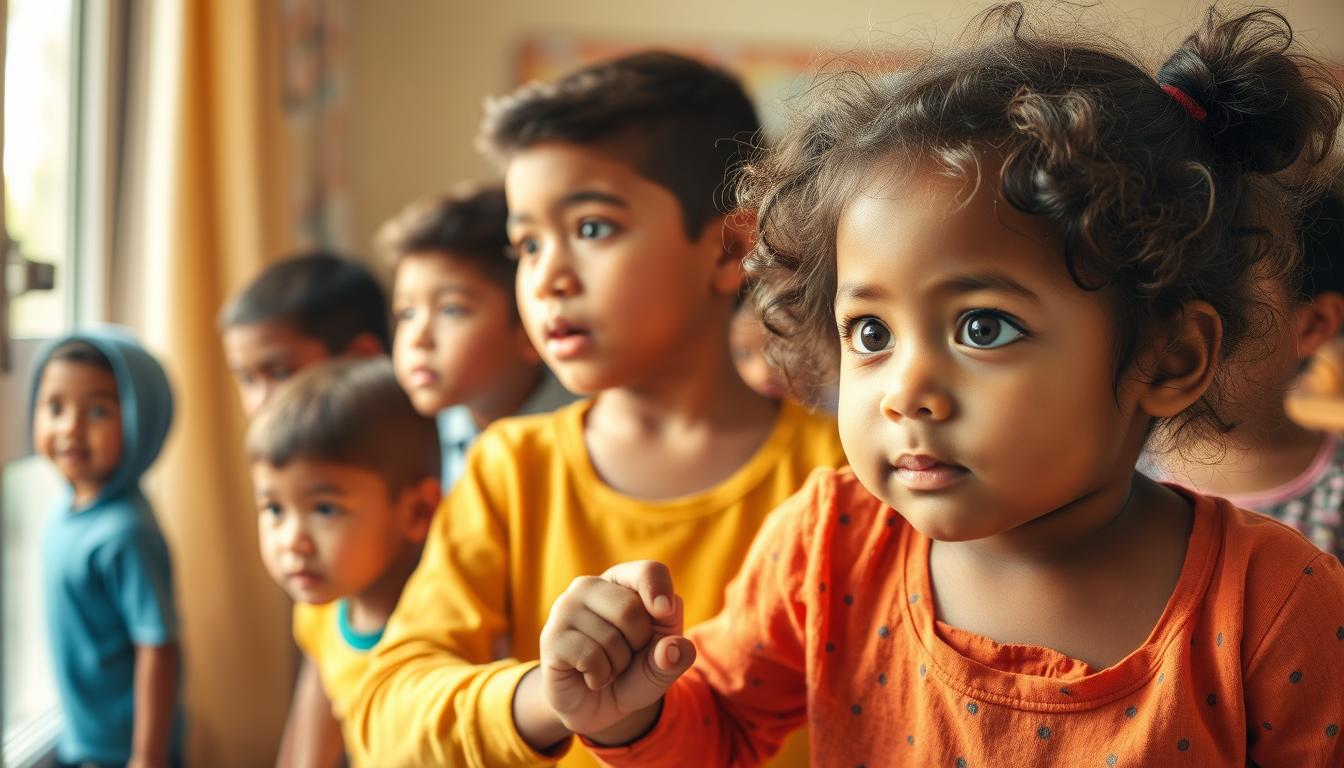
Big life changes can be tough for everyone, but kids find it even harder. They love routine and stability. Changes like divorce, moving, starting a new school, or getting a new sibling can be really scary.
Children feel safe when things are the same every day. But when big changes happen, it can be very scary for them. It’s important for parents and caregivers to help them through this transition smoothly.
It’s key to help kids deal with these big changes. By being there for them and reassuring them, parents can really help. This makes a big difference in how they handle change.
Understanding the Concept of Transition
It’s key to understand transition to help kids through big changes. Transition means moving from one state to another. For kids, this could mean moving homes, switching schools, or dealing with family changes.
Transitions can be tough for kids. They often have to leave what’s familiar and get used to new places or situations. This can affect their child development, impacting their feelings and mind. It’s important for parents and caregivers to know these challenges and offer the right support.
Good coping strategies are essential for kids to handle transitions. These include keeping a routine, being emotionally supportive, and encouraging talking openly. By grasping the concept of transition and its effects on kids, parents can better meet their needs during these times.
By being supportive and understanding, parents can help their kids become more resilient. This helps them adjust better now and in the future. It also supports their child development and ability to deal with future changes.
Signs Your Child is Struggling with Change
Parents need to know how their child feels and acts when things change. Kids react in many ways to change. Knowing these reactions helps parents support them better.
Emotional and Behavioral Changes
When big changes happen, kids might feel anxious, pull back, or get angry. It’s key to spot these signs early to help them quickly.
Some common signs a child is having trouble with change include:
Emotional Changes: Mood swings, getting easily upset, or feeling too emotional.
Behavioral Changes: Changes in eating, trouble sleeping, or doing worse in school.

Children pick up on our feelings, so start by managing your own emotions. This helps you respond better to your child’s needs. It also shows them how to handle their feelings. This way, you help them become more resilient and deal with changes better.
By knowing these signs and acting early, parents can give great parenting tips. They can help their kids handle change better.
The Role of Parents in Easing Transitions
Parents are key in helping children through life’s changes. They offer stability and reassurance. Helping kids manage change is a big job for parents.
“The greatest glory in living lies not in never falling, but in rising every time we fall.” Nelson Mandela’s words highlight the importance of resilience. Parents help their kids grow strong from these experiences.
“Children are like wet cement; whatever falls on them makes an impression.” – Dr. Haim Ginott
Parents greatly impact how well kids handle change. Being supportive and understanding helps a lot. This way, parents help their kids develop important skills during tough times.
Keeping communication open is a good strategy. It lets parents know what their kids are feeling. This way, they can offer the right support.
Also, having a routine can make kids feel safe. It brings a sense of normalcy when big changes happen. This helps a lot in making the transition smoother.
By using these methods and staying involved, parents are essential. They help their kids deal with changes and build resilience for the future.
Preparing for Major Life Changes
Major life changes can be scary for kids, but they can handle them better with the right help. One key coping strategy is to tell your child about the change early. This gives them time to get used to it.
When kids face big changes, like moving or starting a new school, it’s important to talk about it in a good way. Explain why the change is happening and what they can expect. This first talk helps set the stage for how they’ll adjust.

As a parent, you’re not just telling your child about the change. You’re also there to support them emotionally. Listen to their worries and show you understand how they feel. Letting them help with preparations, like visiting the new home, is also helpful.
Another good parenting tip is to keep things as normal as possible during big changes. This helps your child feel more secure. Also, remember that adjusting to new things takes time. By using these strategies, you can help your child deal with big changes better.
Practical Tips for Smooth Transitions
Parents can help their kids adjust to big changes by using the right methods. One key way is to keep routines as consistent as you can. Kids like knowing what to expect, which makes them feel safe and secure.
Creating a daily routine that stays the same, even when things change, is very helpful. It can include set times for meals, homework, and sleep. Plus, activities they love. This helps kids feel more stable and less stressed.
It’s also vital to offer emotional support. Listen to your kids and make sure they know you get it. This support is key in helping them become resilient and handle changes better.
Another good idea is to get your kids ready for what’s coming. Talk about what will happen, show them the new place, or introduce new people. This way, they won’t feel as scared or unsure about the change.
Lastly, parents should show their kids how to deal with stress. Kids learn from what they see, so handling your own stress well is important. It teaches them how to manage their own stress, helping them now and in the future.
Transitioning to New Schools
Changing schools is a big deal for kids. It can affect their feelings and how they adjust. It’s important to handle it carefully to make the transition smooth.
When a child starts at a new school, keeping some things the same is key. Try to maintain the habits they had at their previous school. This can make them feel more comfortable and stable.

One important coping strategy is to create a routine. This includes homework, activities, and time to relax. It helps kids feel more in control and grounded.
Preparing Your Child
Parents are very important in getting a child ready for a new school. Talking about the change, visiting the school, and meeting teachers can help reduce anxiety.
Encourage your child to join in school activities. This helps them make new friends and feel part of their new school. By focusing on child development and using good coping strategies, parents can help their kids through this big change.
Moving to a New Home
Moving to a new home is a big change for kids, full of excitement and uncertainty. Families pack up their old life and start fresh in a new place. Kids have to get used to new surroundings, schools, and routines.
“Change can be unsettling, even for young children who love routine,” says a child development expert.
“Helping children navigate this transition with empathy and support is key for building resilience.”
For example, Landry moved from a crib to a toddler bed early. Her potty training was delayed until the new house felt like home. This shows how adaptable parenting helps with big changes.
To make moving easier for kids, parents can try a few things. Letting kids help pack or pick their new bedroom color makes them feel in charge. Keeping familiar routines, like dinner times or bedtime, also helps.
Building resilience in children is important. Let them share their feelings about the move through talking, drawing, or writing. This helps them deal with the change and future challenges.
Exploring the neighborhood and meeting new neighbors can also help kids feel at home. Parents’ efforts to make the transition smooth can greatly help kids adapt and succeed in their new home.
Coping with Family Changes
Changes in the family can really affect a child’s feelings. Things like divorce, a new sibling, or a change in who takes care of them can be tough.
One good way to help kids deal with these changes is to prepare them ahead of time. For example, if you’re having a baby, show them pictures of themselves as babies. Talking about what to expect when the baby comes can also help reduce their worries.

Managing change well is key for kids to grow up healthy. It’s important to keep talking and let your child share their feelings and worries.
Keeping things the same as much as possible can also help. Sticking to routines and rituals can make your child feel safer during big changes.
Helping your child through tough times in the family needs patience, understanding, and clear talk. By being ready and creating a caring space, you can help your child be strong and handle these changes.
Transitioning to Adolescence
Adolescence brings new challenges for kids, needing strong coping skills. They face big changes in their bodies, feelings, and social lives.
Physical Changes include fast growth, which can be both thrilling and scary. Emotional Changes mean mood swings and being more sensitive. Parents need to be patient and understanding.
Parents can help by keeping communication open, being patient, and encouraging kids to be independent. This helps kids learn to deal with stress and anxiety.
Parents should also know about the social changes kids go through. This includes dealing with peer pressure and wanting to be independent. Support and guidance are key to helping them through these times.
By following these parenting tips and creating a supportive space, parents can help their kids smoothly enter adolescence. This prepares them to handle future challenges.
Encouraging Resilience in Your Child
Teaching kids to be resilient is a key skill for parents. It helps them deal with life’s ups and downs. By teaching this, parents can help their children handle stress and adapt to new things.
Understanding Resilience
Resilience isn’t about avoiding problems but bouncing back from them. It grows with practice, patience, and support from parents. Kids who are resilient face challenges better and grow into confident adults.
Teaching kids to manage stress is a good way to build resilience. Simple methods like deep breathing and positive self-talk help. Also, encouraging them to try new things and see failures as learning helps a lot.
Keeping a supportive and open relationship with your child is also key. Being a steady source of comfort and guidance makes them feel secure. This helps them feel more confident in facing changes.
Practical Tips for Parents
- Model resilient behavior yourself, as children often learn by observing their parents.
- Encourage your child to express their feelings and concerns about changes or challenges they are facing.
- Help your child develop problem-solving skills by encouraging them to think through solutions to problems.
By using these tips and keeping a supportive home, parents can help their kids grow resilient. This way, they can thrive in a world that’s always changing.
Resources for Parents and Children
There are many helpful resources for managing transitions. Books are a great tool for kids. Children’s literature has stories that tackle life changes, helping kids feel and understand their emotions.
Many books are made to help kids with big changes. Like moving, starting a new school, or family changes. These stories have characters and situations that kids can connect with. For example, “The Berenstain Bears’ Moving Day” and “Lily’s Purple Plastic Purse” teach valuable lessons about change.
Online resources and support groups are also available for parents. They offer coping strategies and advice from experts and other parents. These can be very helpful in supporting kids through tough times.
Support for Child Development
Resources on child development give insights into how kids grow and adapt. Knowing about child development stages helps parents prepare for changes.
Counseling or therapy can also be very helpful. It guides families through complex emotions and helps them find healthy ways to cope.
Using these resources, parents can help their kids through life’s ups and downs. This builds resilience and supports healthy growth.
Conclusion: The Journey of Transition
Big changes can be tough for kids, but with the right help, they can become resilient. It’s important to understand what transition means and know when your child is struggling. This knowledge helps you support them better.
Preparing your child for big changes and giving them practical tips can make a big difference. Whether it’s starting a new school, moving to a new home, or dealing with family changes, your help is key. Your guidance helps them develop the skills to handle uncertainty.
As you support your child through these changes, you’ll learn new ways to handle life’s ups and downs. By teaching your child to be resilient, you give them the confidence to face challenges head-on. As a parent, your role is to not only support your child but also to help them grow into strong and adaptable people.