






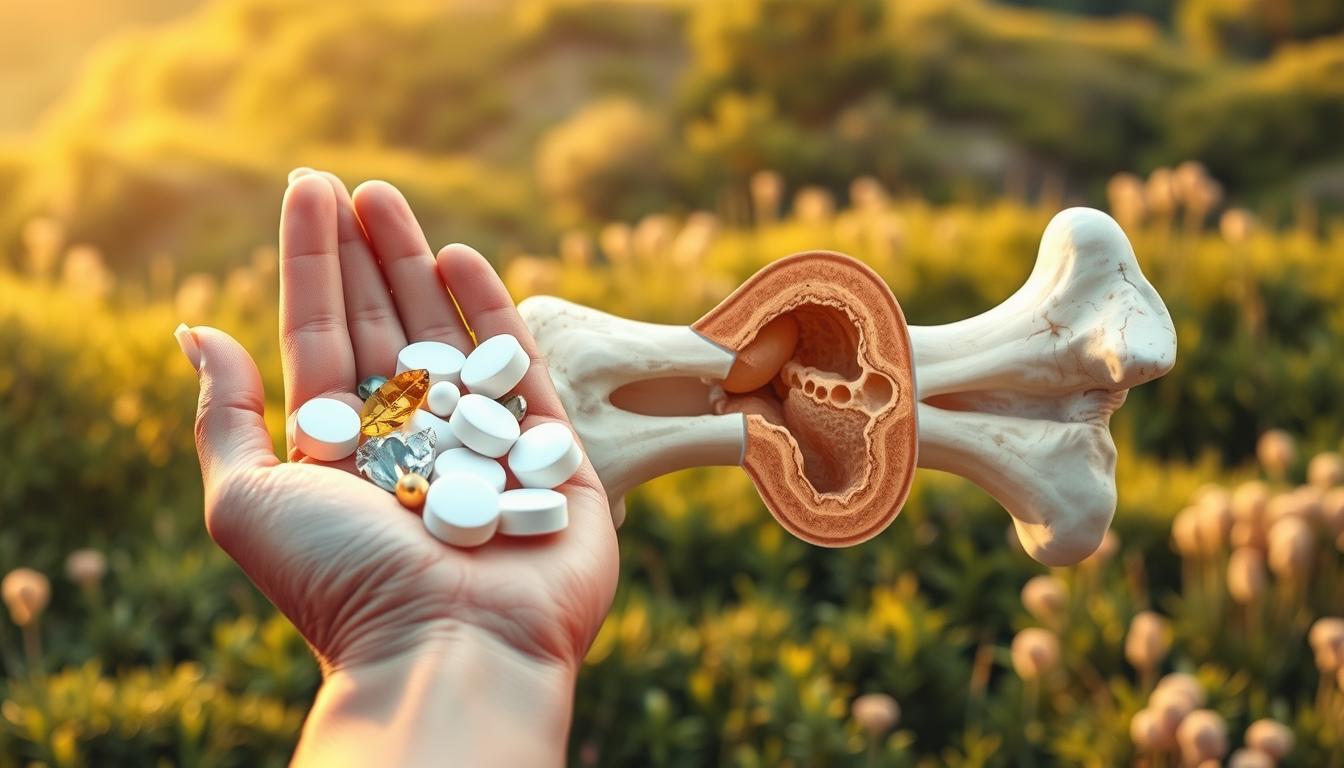
Maintaining strong bones and overall health is key for a vibrant life. Minerals are vital in this effort.
These essential nutrients help with bone health, muscle function, and energy. Eating foods rich in minerals boosts overall well-being.
Knowing the importance of these nutrients helps us live healthier. This article will dive into the health benefits of strong bones and overall health. It will show how minerals are essential.
Introduction to Minerals and Their Importance
Essential minerals are vital nutrients our bodies need to work right. They help keep our bones strong, muscles healthy, and our body running smoothly. Knowing how minerals help us can guide our food choices and ensure we get the right nutrients.
Minerals like calcium, iron, and potassium play big roles. They help with bone health, carrying oxygen, and keeping the heart beating. The benefits of minerals are huge, affecting our bones and how our nerves work.
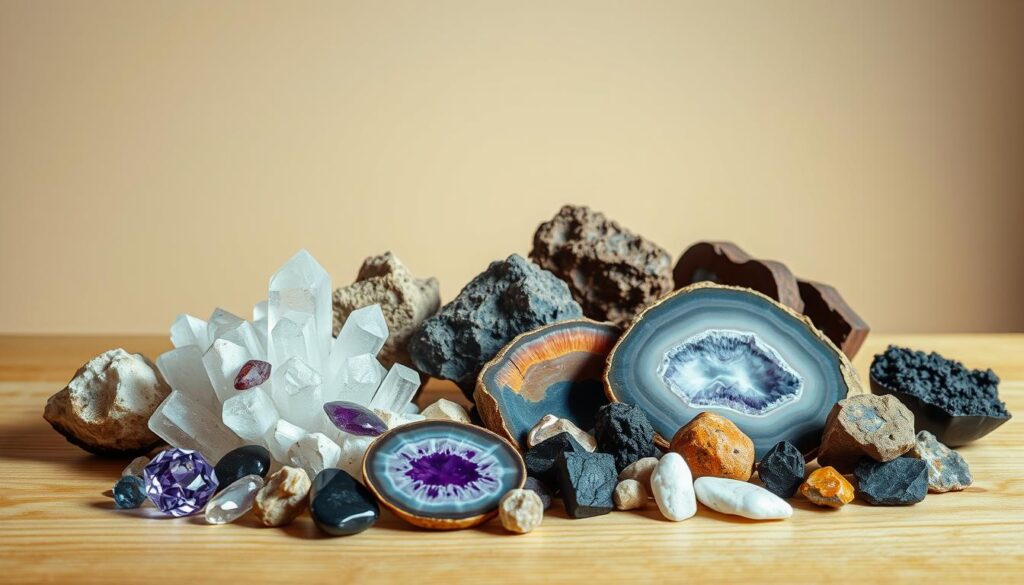
Eating a diet rich in essential minerals boosts our health and wellbeing. It’s key to know the different minerals and what they do for our body.
Getting enough minerals is good for us. It helps us live a healthier, more balanced life.
Types of Essential Minerals
Minerals are inorganic substances that are key for the body’s growth and function. They are divided into major and trace minerals based on how much the body needs.
Major minerals, or macrominerals, are needed in larger amounts. They include calcium, magnesium, and phosphorus. These minerals are vital for many bodily functions. For example, calcium helps build strong bones and teeth. Magnesium is important for muscle and nerve function, and for heart health.
Functions of Major Minerals
Major minerals have many roles in the body. Calcium is not just for bones; it also helps muscles contract and nerves transmit signals. Magnesium is key for energy production and is involved in over 300 biochemical reactions.
Health experts say, “Adequate intake of major minerals is essential for good health and preventing diseases caused by mineral deficiencies.”
Trace minerals, needed in smaller amounts, are just as important. They include iron, zinc, and iodine. Iron is vital for making hemoglobin, which carries oxygen in the blood. Zinc is important for the immune system and healing wounds.
Knowing about the different minerals and their roles helps people make better choices about their diet and supplements. This ensures they get the minerals they need every day.
The Role of Minerals in Bone Health
Getting enough minerals is key for strong bones all our lives. Calcium and phosphorus are essential for bone health. They help determine bone density and strength.
Calcium is famous for its role in bone health. It’s a major part of bone structure, keeping bones dense and strong. You can find calcium in dairy, leafy greens, and fortified foods.
Phosphorus is important too, working with calcium to build bones. They form hydroxyapatite, the main bone and tooth material. It’s important to get enough of both minerals for strong bones.
Eating foods rich in these minerals and exercising regularly helps bones. This can lower the risk of osteoporosis. Osteoporosis weakens bones, making them break easily. Calcium, phosphorus, and vitamin D can help prevent it.
Living a healthy lifestyle is also important. Exercise that makes bones stronger is good. Avoiding too much alcohol and not smoking also helps bones stay healthy.
In summary, minerals are vital for bone health. Eating enough calcium and phosphorus, and living a healthy life, helps bones stay strong. This reduces the risk of osteoporosis.
How Minerals Support Muscle Function
Minerals, like magnesium, are key for muscle health. Magnesium helps muscles contract and relax. It’s vital for muscle function.
Having enough magnesium stops muscle cramps and weakness. These are common in those who don’t get enough magnesium. It’s also important for energy and nerve health.

Magnesium makes sure muscles move smoothly. Without it, muscles can’t work right. This leads to cramps, spasms, and weakness.
Other minerals like potassium and calcium are also important for muscles. But magnesium is special because it helps with energy and muscle contractions. This is why it’s so important for athletes and those who are active.
To keep muscles working well, you need enough magnesium. You can get it from food or supplements. Dark leafy greens, nuts, and whole grains are good sources. They help keep your muscles healthy naturally.
Minerals and Immune System Support
Minerals are key for a strong immune system. This is our body’s first defense against harmful germs. Among these, zinc is very important for immune function.
Zinc helps activate cells like T-cells and natural killer cells. An expert says, “Zinc is a vital mineral that supports immune function and is involved in many aspects of the immune response.” Having enough zinc helps keep the immune function strong and lowers the chance of getting sick. But, not having enough zinc can weaken the immune system and make us more likely to get ill.
Zinc is very important for our immune health. It plays a big role in how our immune system works. So, it’s important to get enough zinc through food or supplements to keep our immune system strong.
“Zinc is critical for a healthy immune system, and not having enough can make us more likely to get sick.”
In short, minerals like zinc are very important for our immune system health. Making sure we get enough of these minerals is key to staying healthy and avoiding infections.
Minerals’ Role in Metabolism
Minerals play a big role in how our cells make energy. Iron is key here. It helps make hemoglobin, which carries oxygen to our tissues and organs. This supports our body’s metabolic processes.
Having enough iron is important to avoid anemia. Anemia makes you feel tired, weak, and short of breath. It can really lower your quality of life and affect your health.
Iron does more than just help with hemoglobin. It also helps enzymes work right in our metabolic pathways. Getting enough iron, through food or supplements, is key for our metabolic health.
In short, minerals like iron are vital for a healthy metabolism. They help us make energy, prevent anemia, and keep our body’s processes running well.
Sources of Essential Minerals
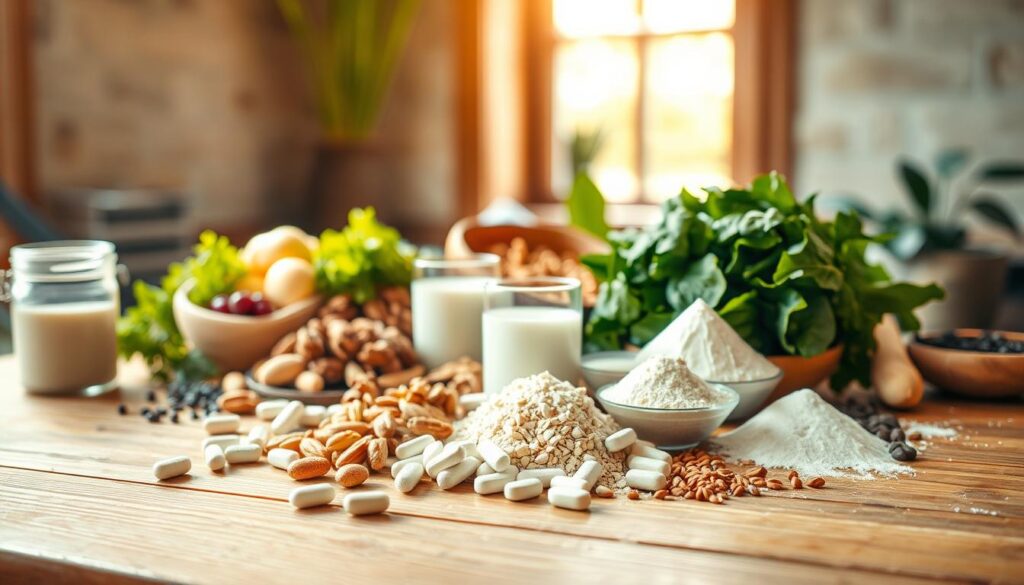
Eating a variety of mineral-rich foods is important for your body. It helps keep you healthy and feeling good. You can get all the minerals you need by eating different foods.
Dairy products are full of calcium, which is great for your bones. Eating dairy helps keep your bones and teeth strong. A health expert says, “Calcium is not just important for bone health; it also plays a role in muscle function and nerve function.“
Leafy greens are also key for a balanced diet. They are packed with iron and magnesium. These minerals help your red blood cells and give you energy. Adding spinach and kale to your meals can increase your mineral intake.
Nuts and seeds are also good for you. They are full of magnesium and zinc. These minerals help your muscles, nerves, and immune system. Eating a few nuts and seeds every day is a healthy choice.
“A diet rich in variety is not just about eating the right foods, it’s about ensuring you’re getting all the necessary nutrients for optimal health.”
Eating a variety of mineral-rich foods is important. It helps you get all the minerals your body needs. By eating a balanced diet, you can stay healthy and feel your best.
The Impact of Mineral Deficiencies
Not having enough minerals can really hurt our health. Mineral shortages can cause many health problems, from small to big ones.
Health Consequences of Mineral Deficiencies
Mineral shortages can stop growth and development, mainly in kids and teens. For example, not enough calcium and vitamin D can harm bone growth. This can lead to rickets.
Weakened Immune Function is another big problem from mineral shortages. Minerals like zinc are key for our immune system. Without enough zinc, we get sick easier.
Also, mineral shortages raise the chance of getting chronic diseases. Not getting enough potassium and magnesium can lead to heart problems.
Nutritional Disorders can happen if we don’t get enough minerals. Anemia, caused by not enough iron, is common in people who don’t get enough minerals.
It’s important to know the dangers of mineral shortages to prevent them. Eating a balanced diet or taking supplements can help. This keeps our health strong.
Conclusion: Embracing Minerals for Overall Health
Eating foods rich in minerals is key to staying healthy. It helps keep your bones strong, muscles healthy, and your body working right.
Adding a balanced diet to your routine, along with exercise and a healthy lifestyle, can lower disease risks. Knowing how important minerals are and making smart food choices can greatly improve your health.
By focusing on a diet full of minerals and living a healthy life, you can take care of your health. This approach leads to a better, more balanced life.