






Most insect bites and stings are mild and can be treated at home. They often cause itching, swelling, and stinging. These symptoms usually go away within a day or two.
Proper insect bite treatment is key to ease discomfort and avoid complications. Knowing how to care for these minor injuries can greatly improve your recovery.
By following simple Bug Bite Care steps, you can manage symptoms well. This includes keeping the area clean, using topical creams, and avoiding scratching.
Understanding Bug Bites
It’s important to know about bug bites to treat them right. Bug bites can cause mild irritation or serious allergic reactions.
Different bugs bite in different ways. Knowing which bug bit you helps you find the right treatment. For example, mosquito bites make itchy bumps, while bed bug bites look like lines or clusters.
Common Symptoms
What a bug bite looks like depends on the bug. You might see a raised bump or welt, itchy skin, some swelling, and pain.
“The symptoms of bug bites can be uncomfortable and sometimes painful, but understanding their causes is key to finding bug sting relief.”
Some bug bites can cause serious reactions, like allergic reactions. These might need quick medical help. Watch the bite area for signs of infection or big swelling.
Immediate Steps After a Bug Bite
Acting fast after a bug bite is key to avoiding more irritation and helping it heal. First, move to a safe spot to avoid getting bitten again.
Removing the Stinger: If a stinger is left behind, remove it quickly. Use your fingernail or a credit card to scrape it off. Don’t pinch or squeeze, as this can release more venom.
Cleaning the Affected Area
Wash the area with mild soap and water to lower infection risk. This step is vital for bug bite prevention and is a basic part of insect bite treatment.
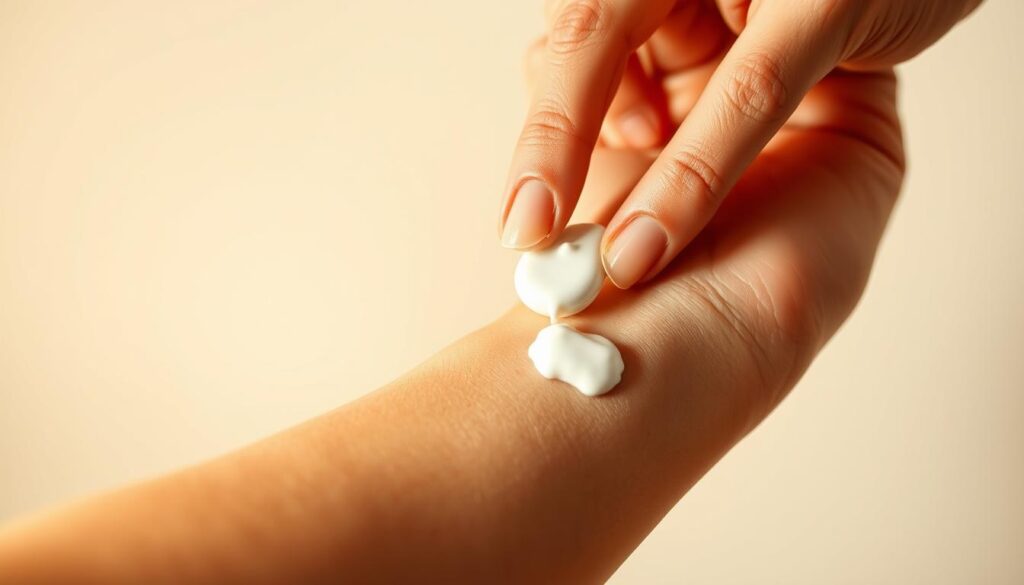
After washing, apply a cold compress or an ice pack wrapped in cloth to the area. This reduces pain and swelling, helping to minimize the reaction and ease discomfort.
By taking these immediate steps, you can lessen the discomfort from bug bites and help them heal faster. Timely and proper care is key for effective bug bite prevention and treatment.
Natural Remedies for Bug Bites
Looking for relief from bug bites? Natural remedies are a gentle and effective choice. Bug bites can be itchy and inflamed, but home remedies can help.
Calamine lotion is a popular remedy. It soothes the skin and reduces itching and swelling. It works well for bug bites that make your skin red and swollen.
Baking soda paste is another effective remedy. It can neutralize skin pH, easing itching and swelling. To use it, mix baking soda with water to make a paste. Then, apply it to the affected area.
Other Natural Remedies
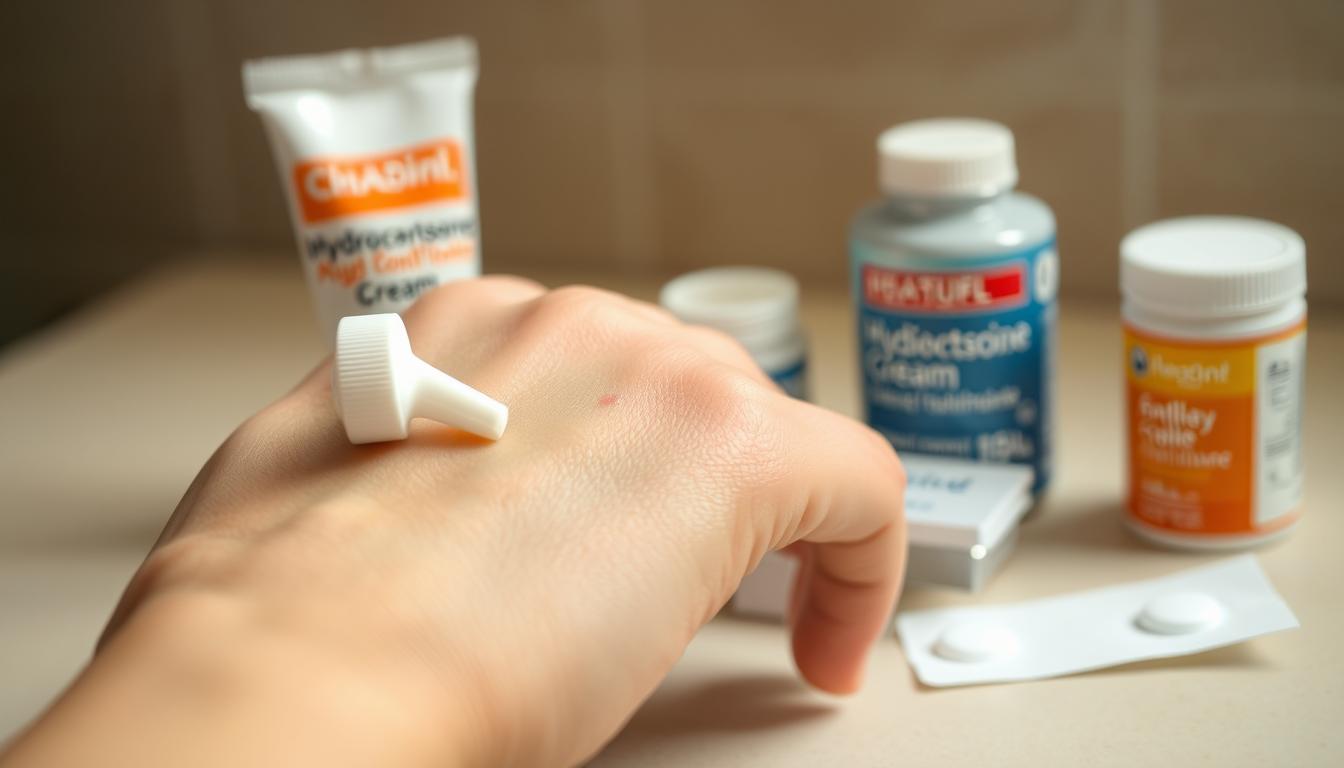
Calamine lotion and baking soda paste aren’t the only options. Hydrocortisone cream can also reduce inflammation and itching. Aloe vera gel is soothing and can be applied directly to the affected area.
These remedies are easy to find in most homes or can be bought over-the-counter. They offer a convenient way to manage bug bites and find relief from discomfort.
Identifying Allergic Reactions
It’s important to know if a bug bite causes an allergic reaction. This happens when the body’s immune system reacts to the bug’s saliva or other substances.
Symptoms can vary from mild to severe. They include dizziness, fainting, hives, nausea, vomiting, diarrhea, and swelling of the face, lips, tongue, or throat. If you notice these signs after a bug bite, act fast.
In severe cases, anaphylaxis can happen. This is a serious condition. If you see symptoms like trouble breathing, a fast heartbeat, or low blood pressure, get medical help right away.
When to Seek Medical Help
If you see severe symptoms, don’t wait to get help. Kids might not be able to tell you how they feel, so watch them closely for bug bite care for kids.
Quick action can make a big difference. It can help avoid serious problems.
Preventative Measures Against Bug Bites
Preventing bug bites can make your outdoor time more enjoyable. Avoiding areas with lots of bugs, like tall grass and woods, is a good start. This can help lower the chance of getting bitten.
Wearing protective clothing is also key. Long-sleeved shirts, long pants, and socks are good choices. Wear them when you’re outside, mainly during bug peak hours.
Protective Clothing and Repellents
Using insect repellents is very important. Look for products with DEET, picaridin, or oil of lemon eucalyptus. Always read and follow the instructions for safe use.
Wearing clothes treated with permethrin adds extra protection. Permethrin is a bug repellent for clothes and gear.
By using these steps, you can greatly lower your bug bite risk. This makes outdoor activities more comfortable. It also means you might not need insect bite treatment as often.
Knowing about the bugs in your area helps too. This knowledge helps plan your outdoor time better. It makes prevention more effective.
Home Remedies for Itching Relief
Bug bites can be itchy and uncomfortable. But, there are home remedies that can help.
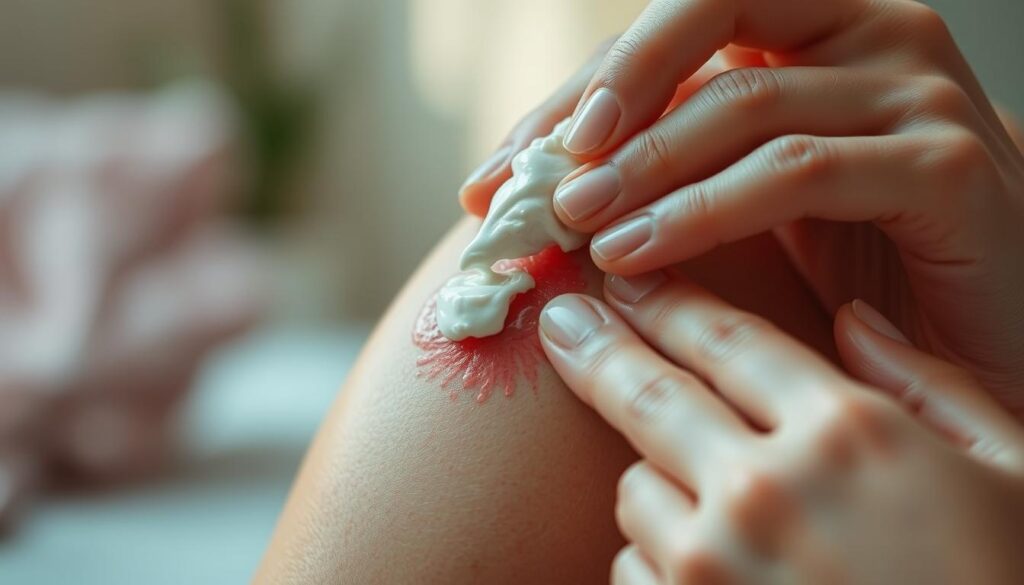
Anti-itch creams and lotions are popular for soothing the skin. They often have ingredients like hydrocortisone or calamine. These help reduce inflammation and itching.
Oral Antihistamines
Oral antihistamines block histamine, a chemical that causes itching. They’re good for severe or widespread itching.
Always follow the packaging instructions. If unsure, talk to a healthcare professional.
Common over-the-counter oral antihistamines are diphenhydramine and loratadine. They can relieve itching but may make you drowsy. Be aware of their side effects.
Safe Practices for Kids’ Bug Bites
Children are often bitten by bugs because they love to play outside. It’s important for parents to know how to help them. Bug bites can be uncomfortable and sometimes cause allergic reactions or infections.
Spotting bug bites early is key to treating them right. Bug bites look like red, itchy bumps on the skin. For kids, these bites can be very itchy, leading to scratching and more irritation or infection.
Treating Bug Bites in Kids
When treating bug bites in kids, the main goal is to stop the itching and avoid infection. Applying a cold compress or using anti-itch creams can help. It’s also important to keep the area clean to prevent infection.
If a bug bite causes a severe allergic reaction, you need to see a doctor. Signs include swelling, trouble breathing, or a fast heartbeat. If your child shows these signs, get medical help right away.
Preventing bug bites is also important. Use insect repellent, dress kids in protective clothes, and stay indoors when bugs are most active. This can help lower the chance of bug bites.
Knowing how to spot and treat bug bites helps parents protect their kids. Good bug bite care for kids includes treating them right, preventing bites, and staying alert.
Bug Bite Care for Pets
Bug bites can really bother pets, making them uncomfortable and sometimes sick. Pets that go outside a lot are more likely to get bitten by bugs like mosquitoes, fleas, and ticks.

It’s important to know the signs of bug bites. Look for a lot of scratching, redness, swelling, and sometimes hot spots or skin infections. If your pet shows these signs, you need to help them feel better and stop things from getting worse.
Treating Bug Bites in Pets
Immediate Care: Start by cleaning the bite with mild soap and water. A cold compress can also help with swelling and itching.
Topical Treatments: You can use creams or ointments with hydrocortisone to help with itching and swelling. If the reaction is bad, see a vet for the right medicine.
Prevention: Stopping bug bites before they happen is key. Use safe bug repellents, keep your pet’s area clean, and check them often for bug bites. This can help avoid discomfort and sickness.
Long-Term Skin Care Post-Bug Bite
Bug bites can leave lasting effects on the skin, making post-bite care very important. After the initial bite heals, the skin may have scarring or discoloration.
Effective bug bite care is not just about treating immediate symptoms. It also involves keeping the skin healthy long-term. This means keeping it moisturized, reducing scars, and preventing irritation.
To keep the skin healthy after a bug bite, moisturizing is key. Use a gentle, fragrance-free moisturizer to soothe the skin and prevent scarring.
Protecting the skin from the sun is also part of insect bite treatment. UV rays can make bug bite discoloration worse. So, apply a broad-spectrum sunscreen with at least SPF 30 every day.
Consistent skin care is essential to reduce bug bite effects. A routine that includes gentle cleansing, moisturizing, and sun protection helps the skin fully recover.
Myths About Bug Bites
Many people get confused about bug bites, which can lead to allergic reactions. Bug bites happen a lot, mainly when we’re outside. But, there are many wrong ideas about how to treat and prevent them.
Facts vs. Fiction
Some think bug bites are just a minor problem. But, they can sometimes cause serious allergic reactions. Understanding the facts about bug bites is key to preventing and treating them.
One wrong idea is that scratching a bug bite makes it heal faster. But, scratching can actually cause infections and slow down healing. Gently cleaning the area and using a cold compress can help.
Another myth is that bug bites always cause an allergic reaction. While some people have severe reactions, others might not react at all. It’s important to know how to spot and handle allergic reactions.
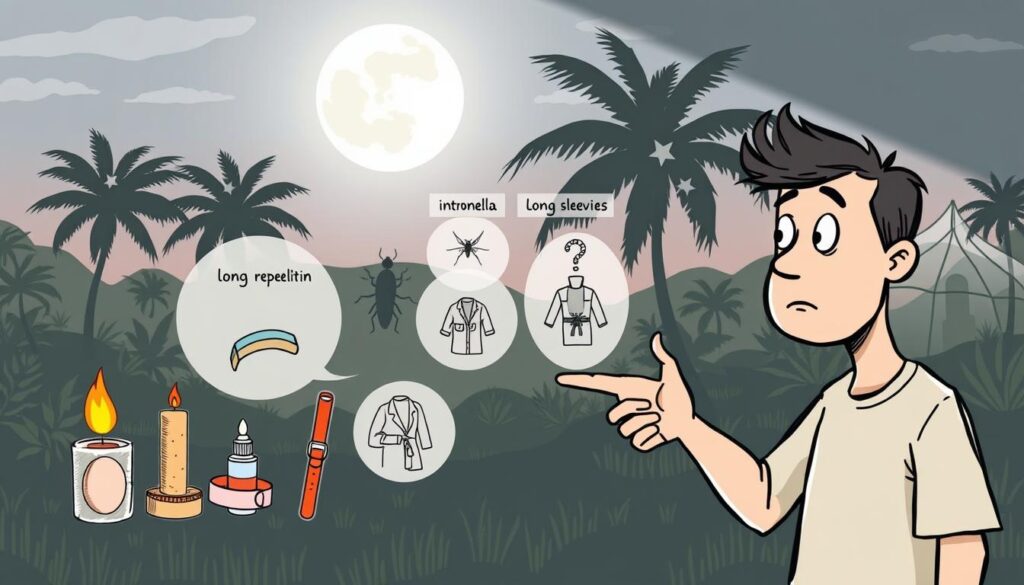
Preventing bug bites is usually better than treating them. Using insect repellents, wearing protective clothes, and staying away from peak insect hours can help prevent bites.
By knowing the truth and debunking myths, we can better protect ourselves from bug bites. We can also handle any reactions that might happen.
Resources for Further Information
Looking for more info on bug bites and how to treat them? The Centers for Disease Control and Prevention (CDC) and the American Academy of Dermatology have you covered. They offer detailed guides on bug bite care and insect bite treatment.
Additional Reading
For more in-depth info, check out medical journals and health websites like Mayo Clinic and WebMD. They have articles on bug sting relief. These sources give expert tips on treating bug bites and avoiding them in the future.
By using these resources, you can learn how to handle bug bites better. This can help you avoid serious problems.