







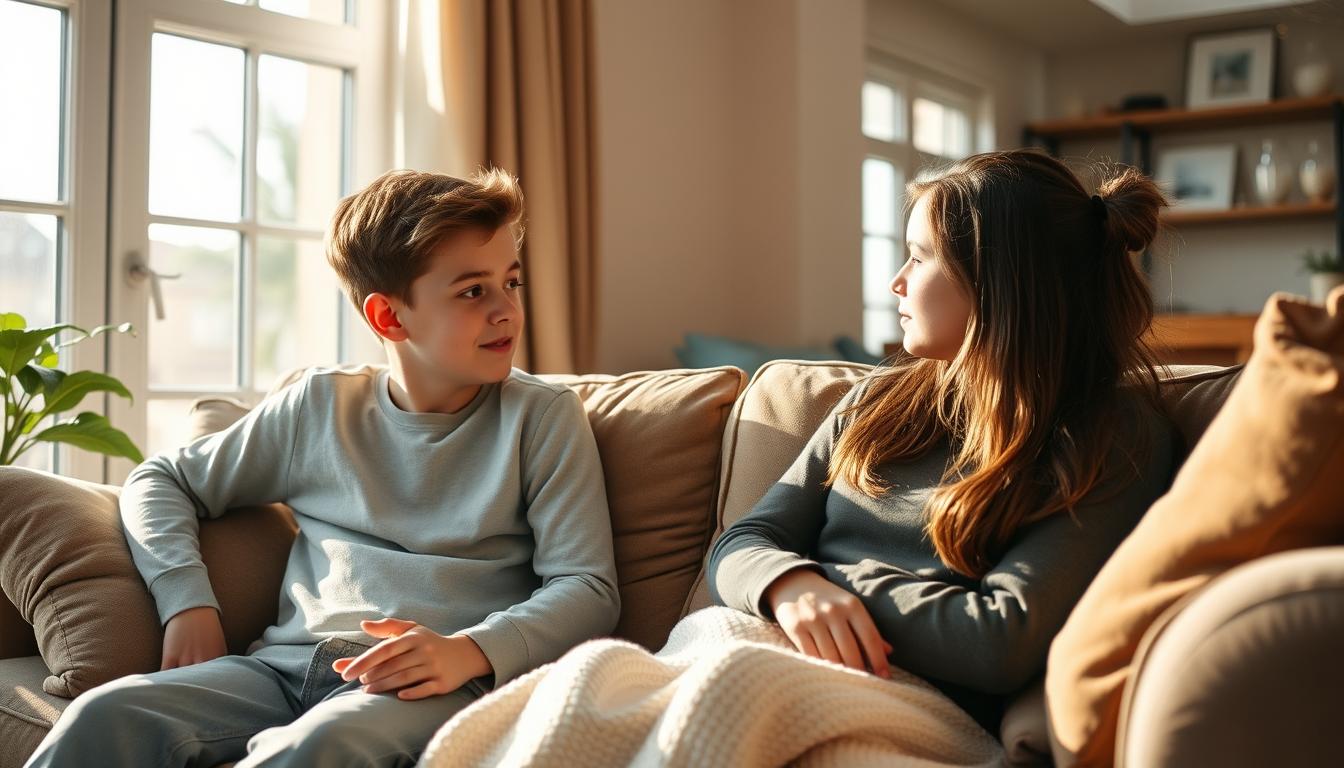
Sibling conflicts are common in many families. They worry parents a lot.
Psychologist Susan Albers, PsyD, says it’s key to know why sibling rivalry happens. This helps manage it better.
It’s vital to handle these fights well. This helps siblings get along better.
This article will look at ways to manage sibling conflicts. We’ll see how to make family life more peaceful.
Knowing why conflicts start and using good management can help. This way, siblings can be more loving and supportive of each other.
Understanding Sibling Rivalry
It’s key to know why sibling rivalry happens to handle fights better. Rivalry often comes from competition for parental attention. It also stems from age, personality, and interests differences, and feelings of unfairness.
Dr. Albers says the main cause is sibling rivalry is competition. This can show up in many ways, like over things, attention, and praise in the family.
The way sibling relationships work is shaped by family dynamics. This includes how parents raise them and the family’s atmosphere. When kids feel they’re not getting equal attention, rivalry grows.
Also, differences in age, personality, and interests play a big role. Knowing this helps parents start to deal with sibling fights.
The Impact of Sibling Rivalry on Children
Research shows that sibling bullying can lead to self-harm and depression in young adults. This highlights the need to tackle sibling rivalry to protect children’s emotional health.
Sibling rivalry can show up in many ways, like fighting for attention or bullying. Conflict resolution skills are key to handling these situations peacefully. Good parenting strategies can also help by creating a supportive atmosphere.
The emotional effects of sibling rivalry on kids are significant. Kids who deal with constant rivalry might feel less confident and less happy with life. Parents are vital in shaping their kids’ relationships by showing them how to resolve conflicts and making sure each child feels important.
To tackle sibling rivalry, we need to teach kids how to solve problems, help them find their own identity, and do activities together. By using these parenting strategies, parents can help their kids deal with sibling issues better. This could lower the chance of long-term problems.
Understanding how sibling rivalry affects kids is key to finding solutions. By spotting harmful sibling behavior and using the right conflict resolution methods, parents can help create better sibling bonds.
Recognizing Signs of Sibling Rivalry
Knowing the signs of sibling rivalry is key to a peaceful home. It’s common in many families and shows up in frequent arguing and physical fights.
Parents should watch for early signs like jealousy, constant bickering, and fighting for attention. These signs point to deeper issues that need fixing.
Acting fast is important in managing sibling conflicts. Spotting signs early lets parents use strategies to lessen rivalry. This makes for a better sibling relationship and a calmer home.
Getting the hang of sibling relationships and tackling conflicts early is vital. It helps kids grow well and happy. Parents must know the signs and act to stop rivalry, helping their kids love each other more.
Strategies for Parents to Manage Rivalry
Effective parenting strategies can greatly reduce sibling rivalry. They help create a more harmonious family environment. Understanding the causes of conflicts and taking the right steps can promote a positive sibling relationship.
One important strategy is spending quality time with each child. Dr. Albers says this can manage rivalry by making each child feel valued. Engaging in activities they enjoy strengthens the parent-child bond.
Spending Quality Time with Each Child
Spending quality time with each child is key to reducing jealousy and competition. It helps understand their unique needs and interests. This personalized attention can greatly reduce sibling conflicts.
For example, setting aside time for each child’s favorite activities makes them feel special. This boosts their self-esteem and security, reducing rivalry.
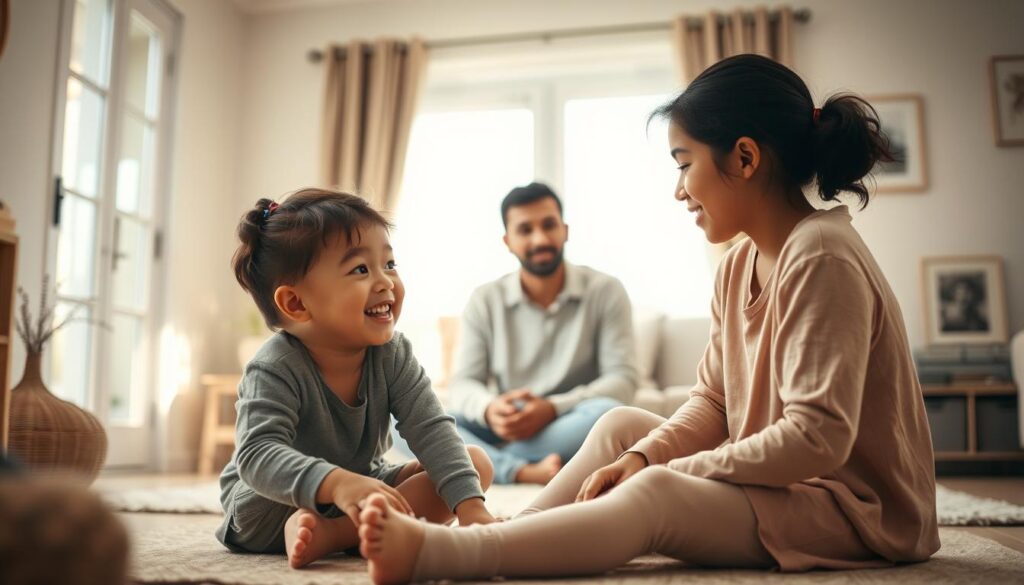
Also, explaining why treatment differs and ensuring each child understands can reduce resentment. By using these parenting strategies, families can become more supportive and loving.
In conclusion, managing sibling rivalry needs a mix of strategies. These include spending quality time, teaching conflict resolution, and encouraging positive sibling interactions. By doing so, parents can help create a more harmonious family environment.
Teaching Conflict Resolution Skills
Sibling conflicts can be a chance to teach kids about conflict resolution. Learning to handle disputes well helps them grow important skills. These skills are useful in both personal and professional life.
Dr. Albers says it’s key to let kids share their feelings, listen to each other, and find solutions they both agree on. This way, they not only solve the problem but also learn to respect each other more.
“Teaching children to resolve conflicts in a constructive manner helps them develop empathy, patience, and effective communication skills.”
Parents should show good ways to solve conflicts. Kids learn a lot by watching what adults do. It’s also important to make a safe space where kids can share their feelings without fear.
Role-playing different conflict scenarios is a great way to teach kids. By trying out different ways to solve problems, they learn to stay calm and think clearly. This helps avoid bigger problems.
Teaching conflict resolution skills is a big step towards a happier family. By giving kids these skills, parents help them deal with the challenges of sibling relationships and more.
Promoting Individual Identity
It’s important for siblings to feel unique and valued. Dr. Albers says not to compare or label them. This way, each child feels special and appreciated for who they are.
Avoiding Comparisons is key. Comparing can cause jealousy and rivalry. For example, saying “You’re just like your brother” can make a child feel overshadowed. Parents should instead appreciate each child’s unique strengths and characteristics.
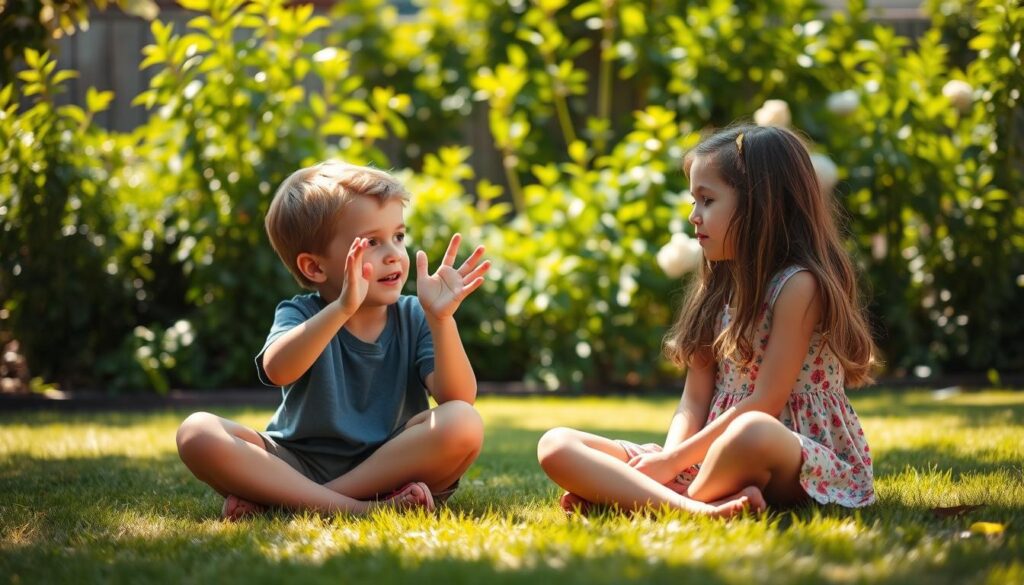
Dr. Albers also warns against labeling. Labels like “the smart one” or “the athletic one” can be too much pressure. By not labeling, parents help their children find their own path without preconceived ideas.
“The greatest sign of success for a teacher is to be able to say, ‘The children are now working as if I did not exist.'” –
This quote highlights the value of letting children grow on their own. By encouraging individuality, parents help their children become confident and independent. They won’t just be defined by their sibling relationships.
Good parenting strategies include spending quality time with each child. Engage in activities they enjoy and celebrate their successes. This strengthens the bond and promotes individuality.
In summary, it’s essential to support individuality in siblings for their growth and better relationships. Avoiding comparisons and labels, and valuing each child’s uniqueness, creates a positive family atmosphere.
Family Activities That Foster Unity
To manage sibling conflicts, it’s key to do activities that bring the family together. Fun family activities help siblings feel closer and work better together.
Dr. Albers suggests having regular family time, like game nights or outings. These moments encourage teamwork and cooperation. They also help siblings learn important skills like talking, solving problems, and respecting each other.
- Plan a weekly game night with board games or team sports.
- Go on a family outing to a park or museum, promoting teamwork.
- Try a cooking or baking activity where everyone helps make a meal.
These activities lead to positive interactions among siblings, reducing fights. They help families feel more united and peaceful.
Managing sibling conflicts gets easier when siblings feel connected and valued. By focusing on family activities, parents can strengthen the bond between their children.
It’s also important to involve children in planning. Letting them choose activities they like makes things more fun. It also teaches them about responsibility and teamwork.
In summary, adding family activities to your routine helps siblings feel united. This creates a loving and supportive family environment.
When to Seek Professional Help
Knowing when sibling rivalry needs professional help is key. If sibling fights keep happening or are very serious, it’s time to get help.
Dr. Albers says a therapist can teach ways to handle ongoing fights and improve sibling bonds. Therapy offers a safe place for kids to share their feelings and learn to solve problems in a healthy way.
Signs you might need professional help include: if siblings keep fighting aggressively, if it affects their daily life, or if you can’t stop the fights no matter how hard you try.
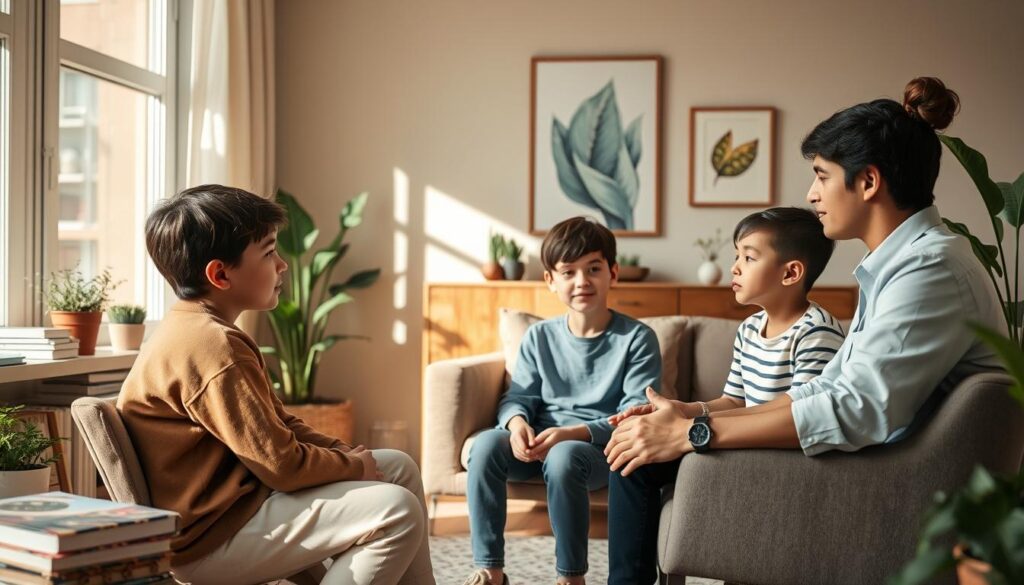
When you look for professional help, you’ll first talk about your family’s situation. Therapists will then use parenting strategies and ways to solve conflicts that fit your family’s needs.
It’s important for parents to be ready to work with the therapist. By doing this, families can get closer and learn better ways to handle disagreements.
Embracing the Positive Aspects of Rivalry
Sibling rivalry can be both a challenge and an opportunity for growth. It can cause conflicts but also build healthy competition and resilience among siblings.
Dr. Albers believes parents are key in turning rivalry into positive outcomes. By supporting sibling relationships that are caring, parents help their kids learn important life skills.
One big plus of sibling rivalry is learning to solve conflicts. When siblings figure out how to work through their differences, they gain skills that last a lifetime.
Also, rivalry can make family life more fun and interactive. By doing things together and learning to manage their fights, siblings can grow closer and make memories that last.
To make the most of rivalry, parents should create a space for healthy competition and resilience. This means praising effort, teaching kids how to cope, and showing them how to solve conflicts in a good way.
Parenting Styles and Their Influence
Effective parenting strategies are key in managing sibling conflicts and building a strong bond between siblings. How parents handle conflicts and interact with their kids greatly affects sibling relationships.
Dr. Albers suggests that parents should show healthy ways to solve problems. This means being respectful, empathetic, and understanding towards all children. This approach encourages siblings to treat each other well too.
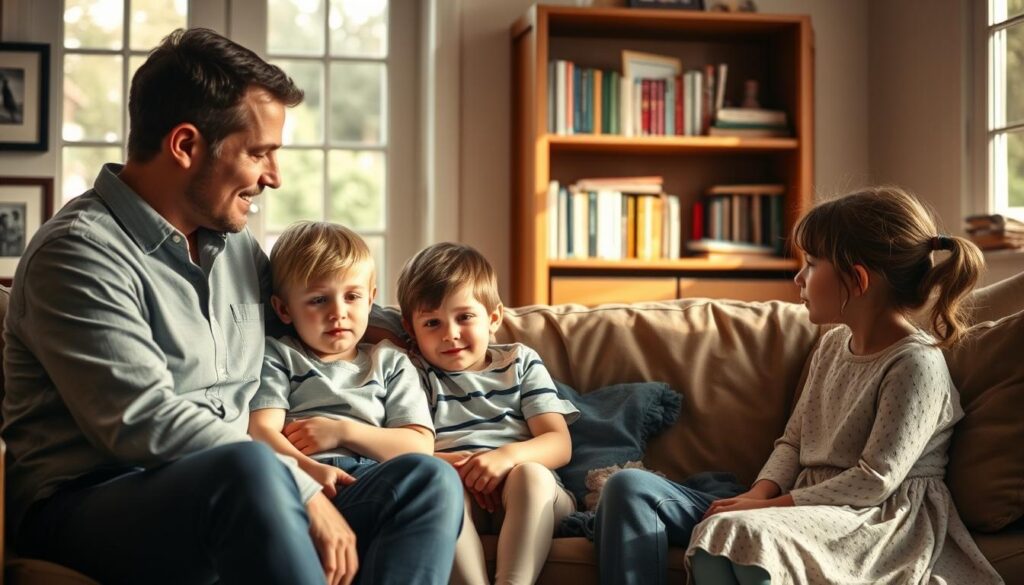
Different parenting styles can greatly influence sibling interactions. For example, an authoritative style balances warmth with clear rules. This helps teach kids important skills like negotiation and compromise, reducing conflicts.
On the other hand, a permissive style might increase conflicts if children don’t learn about boundaries. An authoritarian style might stop conflicts short-term but could cause resentment among siblings.
To handle sibling conflicts well, parents should use parenting strategies that encourage open communication. This means encouraging kids to talk openly and listen well to each other. This helps them learn how to solve problems together.
“Parents who model healthy conflict resolution behaviors teach their children valuable skills that benefit their relationships with siblings and beyond.”
By being aware of their parenting strategies and actively managing conflicts, parents can create a more peaceful and supportive sibling relationship. This contributes to a happier family environment.
Long-term Effects of Sibling Relationships
Sibling relationships can shape adult relationships in big ways. Studies show that good sibling bonds in childhood lead to better adult relationships. These bonds help grow emotional intelligence, empathy, and conflict solving skills.
Family dynamics are key in forming sibling bonds. Parents can make a big difference by creating a supportive family atmosphere. This helps siblings develop strong, lasting connections.
These sibling bonds impact many areas of adult life. People with positive sibling relationships tend to communicate better, handle stress well, and have a clear sense of self.