







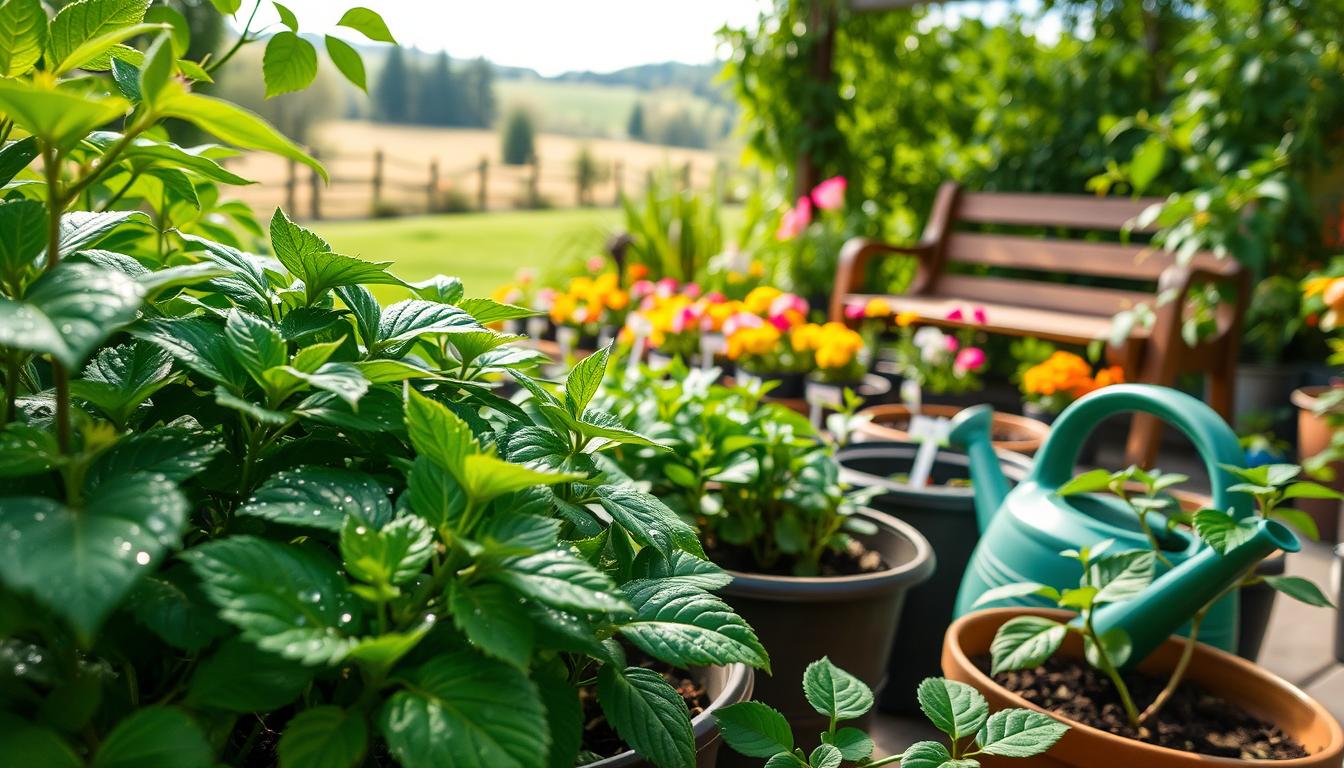
Gardening is a rewarding hobby that brings joy and serenity to many. To ensure your gardening basics are covered, it’s essential to understand the fundamentals of nurturing your plants effectively.
Proper plant labeling is just the beginning. Understanding how to water correctly, select the right soil, and provide the necessary nutrients are all key aspects of plant care. This guide will walk you through these essential elements to help you become a proficient gardener.
By mastering these simple yet vital techniques, you’ll be well on your way to enjoying a lush, thriving garden that brings you happiness and satisfaction.
Importance of Plant Labels
Plant labels are very important. They help us keep track of our plants. Labeling plants makes our garden organized and easy to manage.
Plant labels are key for tracking different plants and their needs. This is vital for gardeners with many plants. Garden markers help identify plants and their specific needs.
Metal plant labels are durable and great for outdoor use. They can handle different weather conditions. Other options include plastic and wooden labels, each with its own benefits and drawbacks.
Using garden markers or plant labels improves the gardening experience. It helps visitors identify plants and learn about them.
How to Water Your Plants Correctly
Learning how to water your plants is key to caring for them. The right watering plants methods help them get the moisture they need. This is vital for their growth and survival.
Each plant has its own water requirements. Knowing these needs is essential for the best care. Succulents need less water than tropical plants. Too much water can harm them, causing root rot. Not enough water can stress them out and slow their growth.
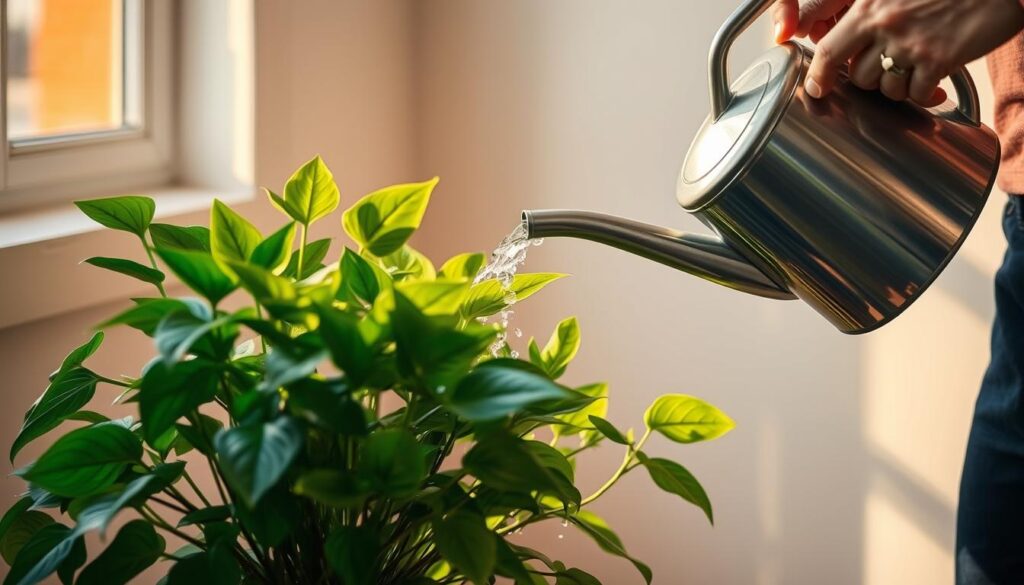
The way you water is as important as how often. Most plants do well with a gentle, thorough watering. This helps their roots grow deep, making them stronger. For plants like African Violets, water from the bottom to avoid wetting the leaves. This can prevent fungal diseases.
Irrigation methods depend on the plant and its environment. Plants in hot, dry places need more water. Those in cooler, humid areas need less. Using the right method saves water and keeps your plants healthy.
Mastering the art of watering improves your plants’ health and life span. It’s about finding the right balance and paying attention to your plants’ needs.
Choosing the Right Soil for Your Plants
Different plants need different soils to grow well. The right soil selection can greatly improve your garden’s health and output.
There are many types of soil, each with its own traits. These include clay, sandy, silt, peat, and loamy soils. Knowing what each offers can help you pick the best gardening soil for your plants.
Clay soil is rich in nutrients but can be dense and hard to drain. Sandy soil drains well but might lack important nutrients. Loamy soil, a mix of clay, silt, and sand, is often the best for many plants because it’s balanced.
When picking gardening soil, think about your plants’ needs and your local climate. For example, plants that like well-draining soil do well in sandy or loamy soils. Plants that need more moisture might prefer clay or silt soils.
In the end, choosing the right soil selection is key to a successful garden. By knowing the different types of soil and their features, you can make smart choices to help your plants grow and thrive.
The Benefits of Fertilizing Your Plants
Fertilizing your plants is key to their health. It gives them the nutrients they need to grow well. Proper fertilization helps plants grow, increases their yield, and makes them stronger against diseases and pests.
There are many types of fertilizers out there. You can choose from organic, synthetic, and balanced ones. Organic fertilizers, like compost and manure, feed plants slowly and make the soil better. Synthetic fertilizers work fast but need to be applied more often.
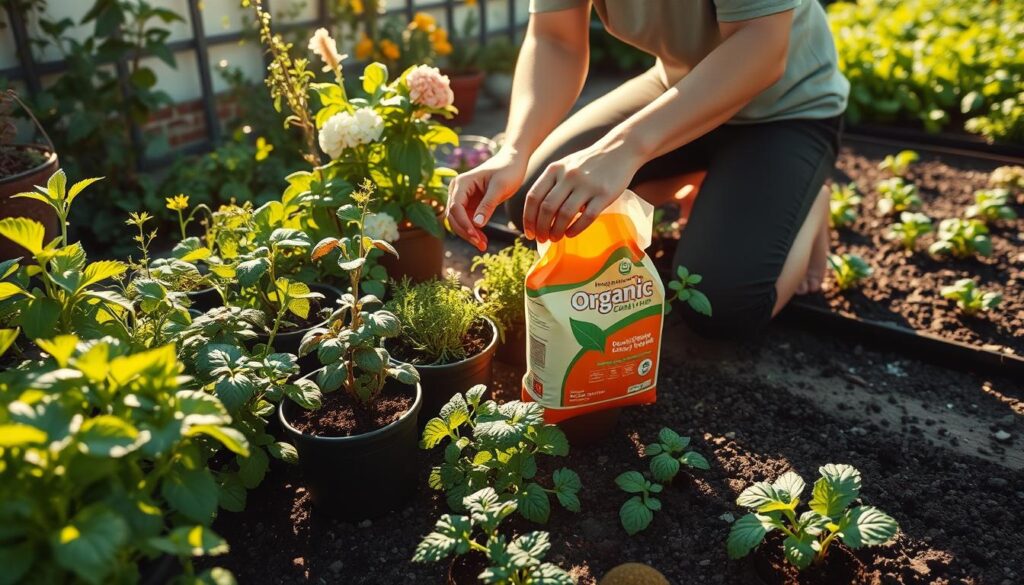
Knowing about plant nutrition is important for fertilizing. Plants need nutrients like nitrogen, phosphorus, and potassium. They also need micronutrients like iron and zinc. A balanced fertilizer with these nutrients helps plants stay healthy.
Choosing the right fertilizer and following the right amounts is key. Too much fertilizer can hurt plants, while too little won’t help much.
By fertilizing your plants, you help them grow strong and healthy. This makes your garden or indoor space more vibrant and resilient.
Light Requirements for Indoor Plants
It’s important to give indoor plants the right light to keep them healthy. These plants have adapted to live in various light conditions. They can handle everything from bright sunlight to dim forest floors.
Each plant needs different amounts of light. For example, Snake Plants and ZZ Plants do well in low light. But, Succulents and Cacti need lots of bright light to grow.
Knowing what light your plants need is key. Most houseplants like bright, indirect light. This can be found near east- or west-facing windows. Too much direct sunlight can burn leaves, while too little can make them weak.
Tips for Optimizing Light Conditions
To improve light for your plants, use grow lights in winter. Also, rotate your plants to ensure they grow evenly and don’t lean.
By focusing on the light needs of your plants, you can help them flourish. This makes your indoor space better and more enjoyable.
Identifying Pests and Diseases
Keeping plants healthy is more than just watering and sunlight. It also means spotting and handling pests and diseases. These can harm your plants, slowing growth and reducing yields. Knowing the common pests and diseases is key to managing them well.
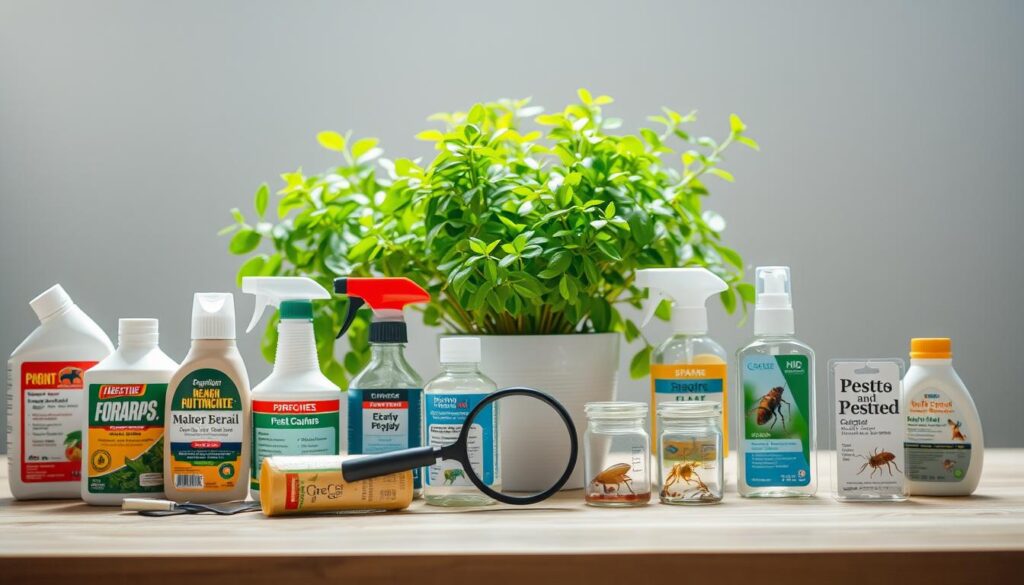
Common Pests: Aphids, whiteflies, spider mites, and mealybugs are common pests. They harm plants by eating sap, spreading diseases, or just being there. For instance, aphids can spread viruses, while spider mites turn leaves yellow or bronze.
Identifying Diseases: Diseases come from fungi, bacteria, or viruses. Fungal diseases show up as powdery mildew or leaf spots. Bacterial diseases cause soft rot or blight. Viral diseases make leaves mottled or distorted. Knowing what disease you have helps you choose the right treatment.
Methods for Controlling Pests and Diseases
Controlling pests and diseases needs a mix of methods. Integrated Pest Management (IPM) uses cultural, biological, and chemical controls. Cultural controls include pruning, improving air flow, and watering right to prevent disease.
Biological Controls: Biological controls use living things to fight pests. For example, introducing natural predators or parasites can work well. Ladybugs eat aphids, and lacewings eat aphids and other small bugs.
Chemical Controls: Chemical controls are used when needed. Organic pesticides like neem oil or insecticidal soap are better for the environment. Chemical fungicides fight fungal diseases, but use them sparingly to prevent resistance.
Seasonal Plant Care Tips
Knowing the seasonal needs of your plants is key to their health. Each season has its own challenges and chances for plant care. Adjusting your care to match the season helps your plants stay healthy and grow well.
In spring, plants start to grow new leaves and flowers. It’s important to prune dead or damaged branches for healthy growth. Spring is also a good time to repot plants that have outgrown their pots and start fertilizing with a balanced fertilizer.
When summer comes, plants grow a lot. They need more water, but watch out for overwatering, which can cause root rot. Also, make sure plants that can’t handle direct sunlight get enough shade.
In autumn, plants slow down as they prepare for winter. Water and fertilize less often as growth slows. It’s also a good time to clean up dead leaves and debris to prevent disease.
Winter care means protecting plants from frost and freezing. Bring plants indoors or cover them with frost cloth. Also, water less because most plants are dormant during this time.
By following these seasonal plant care tips, your plants can handle the changing seasons well. Whether you’re experienced or new to gardening, understanding and adapting to the gardening seasons is essential for successful plant care.
The Role of Humidity in Plant Health
Humidity is key for plant care, affecting their health and energy. Indoor plants are very sensitive to humidity levels.
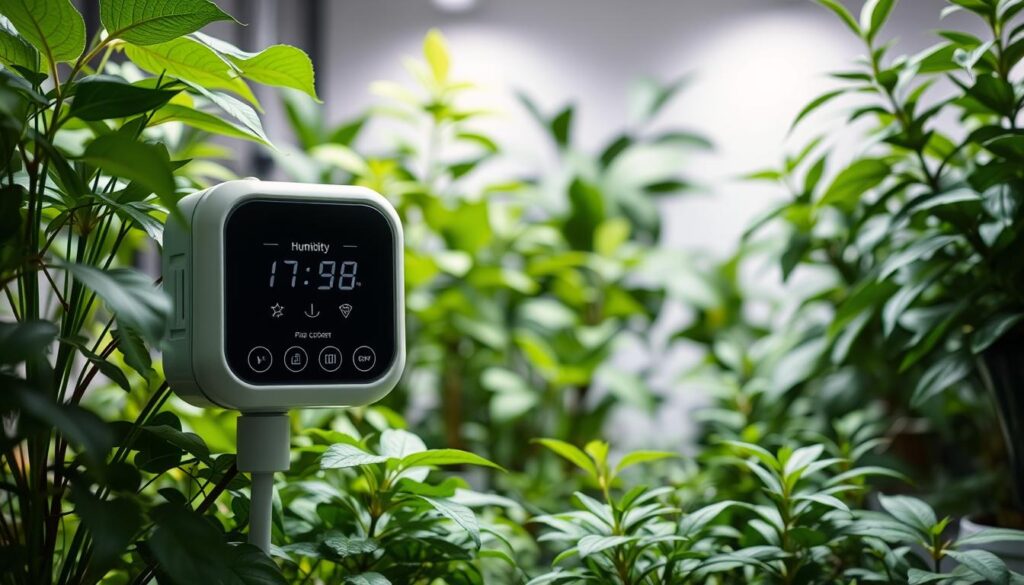
Most houseplants do best in humid places, between 40% to 60% relative humidity. But, indoor spaces can be dry, often under 30% relative humidity, due to heating or air conditioning.
Maintaining Optimal Humidity
To keep plants healthy, you need the right humidity. You can use a humidifier or put the pot on a water tray with pebbles. As water evaporates, it makes the air around the plant more humid.
Some plants need drier air. Good air flow around them can stop fungal diseases that love humid air.
Monitoring Humidity Levels
It’s important to check humidity levels at home, more so in different seasons. A hygrometer can give you accurate humidity readings. This helps you care for your plants better.
By managing humidity, you can make a better home for your indoor plants. This encourages healthy growth and development.
Pruning and Maintenance Best Practices
To keep your plants thriving, it’s essential to understand the best practices for pruning and maintenance. Pruning is not just about cutting back plants; it’s an art that requires knowledge and technique. It helps maintain plant health and enhance their appearance.
Different types of plants require different pruning techniques. For instance, flowering plants need to be pruned after they bloom to encourage new growth. Evergreen plants can be pruned in early spring or fall. Understanding the specific needs of your plants is key for effective pruning.
Regular maintenance is also vital for plant health. This includes checking for pests, ensuring the soil is well-draining, and fertilizing as needed. By combining proper pruning with regular maintenance, you can significantly improve the health and longevity of your plants.
Gardening techniques, including pruning and maintenance, play a significant role in the overall health and aesthetics of your garden. By adopting these best practices, you can create a thriving and beautiful garden. It will bring joy and serenity to your outdoor space.
Troubleshooting Common Plant Issues
Even with proper care, plants can sometimes encounter problems. Effective troubleshooting is key to resolving these issues and ensuring your plants remain healthy.
Common plant problems include overwatering, underwatering, pest infestations, and nutrient deficiencies. To address these issues, start by diagnosing the problem. Check your plant’s soil moisture, inspect for pests, and assess its light exposure.
Gardening solutions often involve adjusting your care routine. For instance, if you suspect overwatering, allow the soil to dry out slightly before watering again. If pests are the issue, treat your plant with insecticidal soap or neem oil.
By understanding the causes of common plant problems and applying the right gardening solutions, you can troubleshoot issues effectively and keep your plants thriving.