








Adding gratitude to our daily routine can change our lives for the better. Simple steps can help us feel more positive and strong.
When we focus on the good, we stay grounded and thankful for what we have. This change in thinking can make us healthier, both in mind and body. By being mindful and thinking about our day, we can grow our gratitude.
Gratitude can make our lives better and our relationships stronger. In this article, we’ll share easy ways to make gratitude a part of our daily lives. We’ll see how it can improve our well-being.
Understanding the Importance of Gratitude
Learning about gratitude can change our lives for the better. Studies show it connects to our brain’s reward system. This releases happy hormones like dopamine and serotonin.
Gratitude boosts mental health by lowering stress and anxiety. It makes us happier and more well-rounded. People who are grateful often handle life’s ups and downs better.
Gratitude also affects our physical health and relationships. It helps us see the good in life. This makes our brains stronger and more flexible.
Many studies agree: “Gratitude is key to emotional well-being and a better life.”
“Gratitude makes us feel good, enjoy life’s moments, improve our health, face challenges, and build strong bonds.”
This shows how gratitude can change our lives in many ways.
Adding gratitude to our daily routine is easy but powerful. By understanding its science and benefits, we can start living a more fulfilling life.
Daily Gratitude Practices to Embrace
Practicing gratitude every day can greatly improve our well-being and appreciation for life. By adding these practices to our daily routine, we can become more positive and resilient.
Starting a gratitude journal is a great way to practice gratitude daily. It involves setting aside a few minutes each day to write down what we’re thankful for. This helps us focus on the positive aspects of our lives.

To make journaling effective, it’s important to be specific, sincere, and consistent. Being specific means detailing specific moments or actions we’re grateful for, like “a supportive friend who listened to me during a tough time.”
Being sincere means writing honestly about our feelings, not just what we think we should be grateful for. Consistency is key, so try to journal at the same time every day, like in the morning or before bed.
“Gratitude unlocks the fullness of life. It turns what we have into enough, and more. It turns denial into acceptance, chaos to order, confusion to clarity. It can turn a meal into a feast, a house into a home, a stranger into a friend.”
Adding mindfulness to our journaling can make our gratitude practices even stronger. Mindfulness helps us stay present and appreciate the small joys and beauty in life that we might miss.
By combining daily gratitude practices with mindfulness, we can deepen our appreciation and well-being. This approach encourages us to stay present and mindful, not just when journaling, but all day long.
The Science Behind Gratitude
Gratitude is more than just a good feeling. It’s a complex process in our brain that affects our health. It can make us feel better both mentally and physically.
Studies show that feeling grateful can make our brain produce more dopamine. Dopamine is key for feeling pleasure and reward. This can make us happier and feel more fulfilled. Dr. Robert Emmons, a leading gratitude researcher, notes, “Gratitude is a powerful tool for transforming our lives by changing our perspective and helping us to focus on the positive aspects of our experiences.”
“Gratitude is not only the greatest of virtues but the parent of all the others.” –
Gratitude involves many parts of our brain, like emotional control, social bonding, and memory. It can make us less stressed and anxious. It helps us think more positively. Plus, it can help us sleep better, which is good for our brain.
Adding gratitude to our daily lives is easy. We can write in a gratitude journal or tell someone three things we’re thankful for each day. These actions make us more positive and help our brain stay healthy. As scientists learn more, it’s clear that gratitude is a key to a better life.
Incorporating Gratitude into Your Routine
Gratitude can make you stronger and more positive. Adding simple habits to your day helps you see the good in life.
Sharing gratitude with others is a great way to start. Saying thanks to someone, big or small, can make your relationships stronger. It also makes you feel more grateful.
Mindfulness helps you appreciate the little things. It’s about enjoying the moment, like a good cup of coffee or a beautiful sunset. It’s also about being thankful for simple comforts, like a warm bed.

To make gratitude a habit, try it in your daily life. Keep a gratitude journal or write down three things you’re thankful for each day. You can also share your gratitude at dinner with family or roommates.
Doing these things every day changes how you see things. You’ll start to notice more good things and feel more positive. Remember, it takes time and effort to make gratitude a part of your life.
Overcoming Challenges to Gratitude
Life’s challenges can make it hard to stay grateful. Yet, it’s in these tough times that we need gratitude the most. Maintaining gratitude is tough, but it’s not impossible.
Stress, anxiety, or negativity can make it hard to think of things we’re thankful for. But, with consistency, sincerity, and patience, we can beat these challenges to gratitude. This way, we can grow a more positive and resilient mindset.
Building resilience through gratitude means seeing both the hard times and the good. This balance helps us stay hopeful even when things get tough.
To keep gratitude alive, make it a daily habit. Try journaling or sharing what you’re thankful for with others. This helps in maintaining gratitude even when faced with hard times.
By focusing on the good in our lives and saying thanks, we can grow a more grateful heart. This makes us better equipped to handle life’s challenges.
Expressing Gratitude at Work
Gratitude at work is essential for a good team atmosphere. It makes communication and teamwork better. When we show thanks, our work place gets better.
Benefits of Workplace Gratitude
Being thankful at work brings many good things. It makes our work life better and our jobs more satisfying. When we feel valued, we work better and feel happier.
“Gratitude unlocks the fullness of life. It turns what we have into enough, and more. It turns denial into acceptance, chaos to order, confusion to clarity. It can turn a meal into a feast, a house into a home, a stranger into a friend.” – Melody Beattie
Showing gratitude at work is easy. Just say thanks to a coworker or boss. These small acts can make a big difference in how we work together.

To add gratitude to your day, try a gratitude journal. Or share three things you’re thankful for in meetings. These actions help build a culture of thanks and respect.
Implementing Gratitude in Daily Work Life
There are many ways to show thanks at work. You can say thanks out loud, write a note, or even bring treats. The most important thing is to be real and keep showing gratitude.
By making gratitude a part of your workday, you help make your workplace better. This leads to happier jobs and stronger team bonds.
Gratitude and Relationships
Gratitude can change how we connect with others, making our relationships stronger. It boosts emotional well-being and helps us form deeper bonds. When we thank others, we build trust and improve communication.
Gratitude is key in personal relationships. Showing thanks to our loved ones makes them feel valued. This can make our relationships more harmonious and fulfilling.
Adding gratitude to our daily life is easy. Just say thank you for someone’s help or support. These small gestures can greatly strengthen relationships. They also make us feel better and help those around us.
Gratitude in our relationships leads to stronger, more positive connections. It’s a simple yet powerful way to care for our bonds. It promotes a culture of appreciation and respect.
Creative Ways to Practice Gratitude
Gratitude is more than just a feeling. It’s an art that we can grow through different practices. Adding creativity to our daily gratitude can make it more fun and meaningful.
Using art is a great way to practice gratitude. You can draw or paint something you’re thankful for. Or, you can make a collage that shows your gratitude journey. Creating something visual helps make your gratitude real and tangible.
Mindfulness is also key in gratitude practices. It helps us enjoy the little things and the beauty around us. Mindfulness, like deep breathing or walking, can make our gratitude stronger.
Writing gratitude poetry or keeping a gratitude journal are other creative ways. Writing down what you’re thankful for helps you see the good in your life. It’s also a way to express your feelings.
Lastly, showing gratitude through acts of kindness and service to others is powerful. Helping others and doing small favors can build community and connection. It also helps us feel more grateful.
Teaching Children About Gratitude
Teaching kids about gratitude can deeply impact their happiness and relationships. By teaching gratitude, parents and teachers help kids grow up with a positive outlook. This makes them more resilient.
Showing gratitude is a great way to teach kids. When kids see adults say thank you, they learn to do the same. Parents and caregivers should always say thank you for small things like a good meal or a nice day.
It’s also important to encourage kids to be kind and empathetic. Doing things like volunteering or sharing helps them see the value of gratitude. Through these actions, kids learn to value others’ efforts and feel a sense of responsibility.
Teaching mindfulness is another key part of teaching gratitude. Mindfulness, like meditation or journaling, helps kids notice and appreciate the good things. By making these practices a part of their daily lives, kids can grow up to be more grateful and positive.
By using these methods, adults can teach kids the value of gratitude. This sets them up for a lifetime of emotional and social benefits. As kids grow, gratitude becomes a habit that shapes their relationships and well-being.
The Long-Term Benefits of Gratitude
Studies show that being thankful can make us happier and more well-rounded in the long run. By making gratitude a part of our daily lives, we can see these benefits for ourselves.
The long-term benefits of gratitude are many. They include better well-being and more happiness. When we focus on what we’re thankful for, it changes how we see things. It helps us notice and appreciate the good in our lives.
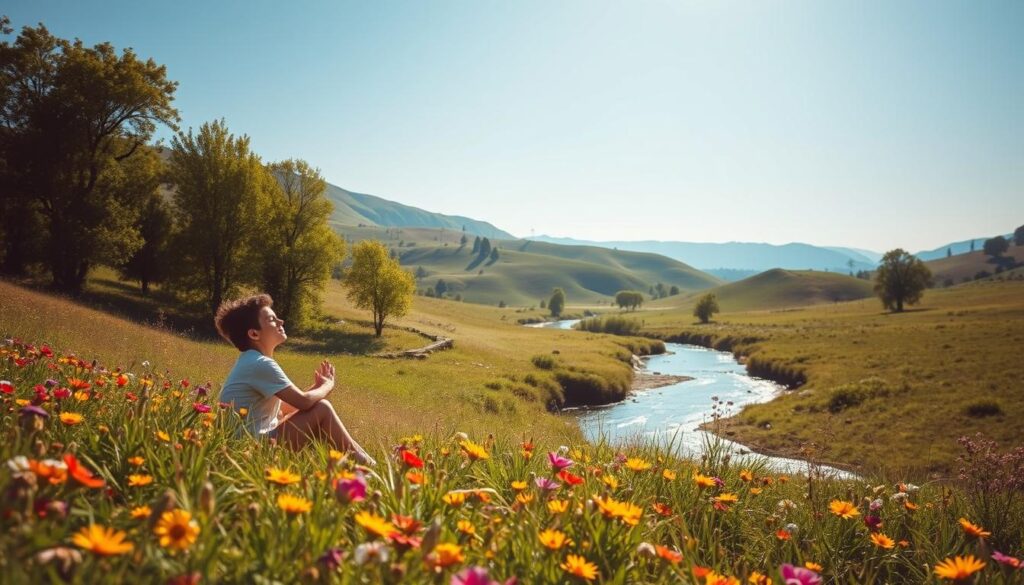
Research finds that regular gratitude practice is linked to better mental health and stronger relationships. It can even improve our physical health. Gratitude helps us see life’s challenges in a more positive light, making it easier to handle them.
By making gratitude a habit, we can become more optimistic. This leads to more happiness and well-being in our lives. As we continue, the benefits of gratitude will grow, making our lives richer and more fulfilling.
Continuing Your Journey of Gratitude
Keeping gratitude in our daily lives is key. We need to keep the momentum going and try new things. This way, we can stay positive and resilient, leading to better well-being.
There are many ways to keep gratitude alive. We can journal, meditate, or thank those around us. Making gratitude a habit helps us face life’s challenges more easily.
Trying new gratitude practices keeps our journey exciting. We can start new rituals or express ourselves creatively. Being true to our gratitude can greatly improve our well-being.
Let’s keep gratitude a top priority in our lives. By doing so, we can live more fulfilling lives.