






When the common cold hits, it’s tough to feel good. But, there are many effective remedies to ease symptoms and aid in recovery.
Drinking lots of water is key. It makes mucus thinner and eases a sore throat. Drinking water, herbal tea, or warm broth can really help. Cold remedies like humidifiers add moisture to the air, easing congestion.
Resting and taking it easy helps your body fight the cold. By using these simple steps, you can manage cold symptoms and start feeling better faster.
Understanding the Common Cold
The common cold is caused by viruses and affects the upper respiratory tract. The Centers for Disease Control and Prevention say rhinoviruses are the main cause.
The common cold brings symptoms like sneezing, runny or stuffy nose, and sore throat. You might also cough, feel unwell, or have a mild fever, headache, or tiredness.
Knowing what causes the cold helps prevent it. It spreads easily through the air when someone coughs, sneezes, or talks. It also spreads by touching contaminated surfaces and then touching your face.
Adults usually get two to three colds a year. Kids get more because their immune systems are not fully developed and they’re exposed to more viruses.
Telling the common cold apart from flu or allergies is key. The common cold is usually milder and only affects the upper respiratory tract.
Rest and Sleep: Your Best Friends
When you’re battling a cold, adequate rest and sleep are vital for your immune system to combat the infection effectively. Resting allows your body to direct its energy towards fighting off the invading virus, alleviating cold symptoms.

How Rest Helps Your Body
Resting and sleeping are key when you have a cold. They help your body recover and fight off the infection. The Mayo Clinic says resting can ease cold symptoms by saving energy and repairing itself.
When you’re well-rested, your immune system functions more efficiently. It produces cytokines to fight infections. Rest also reduces stress hormones, which weaken your immune system.
To get enough rest, create a good sleep environment. Keep a consistent sleep schedule, a cool and dark bedroom, and avoid stimulating activities before bed. Prioritizing rest and sleep helps your body recover from a cold faster and more effectively.
Also, using cold remedies like warm liquids and humidifiers can help. They complement rest and sleep in easing cold symptoms and supporting your immune system.
Stay Hydrated
Staying hydrated is a simple yet effective way to ease cold symptoms. Drinking lots of fluids can help loosen congestion. This makes breathing easier and relieves some discomfort.
When you have a cold, your body loses fluids. This is due to congestion, sweating, and sometimes fever. It’s important to replace these lost fluids to avoid dehydration. Dehydration can make cold symptoms worse and slow down recovery. Water is a great choice, but you can also try juice, clear broth, or sports drinks.
Warm liquids like tea or broth can be very soothing. They help with hydration and can ease congestion and sore throats. But, avoid drinks with high sugar, like some juices and sodas. They can irritate your throat more.
To stay hydrated well, drink fluids often during the day. Aim for at least eight glasses a day. But, this can change based on your needs and how bad your cold is. Listen to how your body feels and adjust how much you drink to stay hydrated.
Nutrition to Boost Your Immune System
Eating a balanced diet is key to keeping your immune system strong when you have a cold. Foods packed with vitamins and minerals are essential. They help your body fight off cold symptoms.
Key Nutrients for Immune Support
Some nutrients are super helpful when you’re feeling under the weather. Vitamin C in citrus fruits, strawberries, and bell peppers boosts your immune system. Zinc in oysters, beef, and chicken also supports your immune function and fights infections.

Adding healthy foods to your diet is easy. Start by eating more fruits and vegetables. Try soups with veggies and lean proteins for a nutritious and comforting meal.
Tips for a Balanced Diet
For the best nutrition, eat a variety of foods. Include whole grains, lean proteins, and colorful veggies. This way, you get all the vitamins and minerals your body needs.
By choosing the right foods, you can help your immune system. This makes recovering from a cold faster and easier.
Relieve Congestion Effectively
Feeling better when you have a cold starts with relieving congestion. It can make breathing, sleeping, and eating hard. Luckily, there are many ways to tackle it.
Using a humidifier is highly recommended. The Mayo Clinic says adding moisture to the air helps ease congestion. Humidifiers release a mist that loosens and clears mucus from your nose. Make sure to clean them often to avoid bacteria.
Nasal sprays are also great. Saline nasal sprays moisturize your nose and loosen mucus. They’re easy to find over-the-counter. But, use them as directed to avoid making congestion worse.
Other cold remedies can also help. Drinking lots of fluids, using a neti pot, and sleeping with your head up can ease congestion. Mixing these methods can help you feel better.
Remember, while these remedies help, see a doctor if your congestion doesn’t get better or gets worse.
Soothe Your Throat
Sore throats are a common cold symptom. They can be effectively soothed with a simple saltwater gargle.
Gargling with salt water is a time-tested remedy. It helps reduce inflammation and kill bacteria in the throat.
To make a saltwater gargle, mix 1/4 teaspoon of salt in 8 ounces of warm water. Stir until the salt is dissolved. Then, gargle the solution in the back of your throat for about 30 seconds before spitting it out.
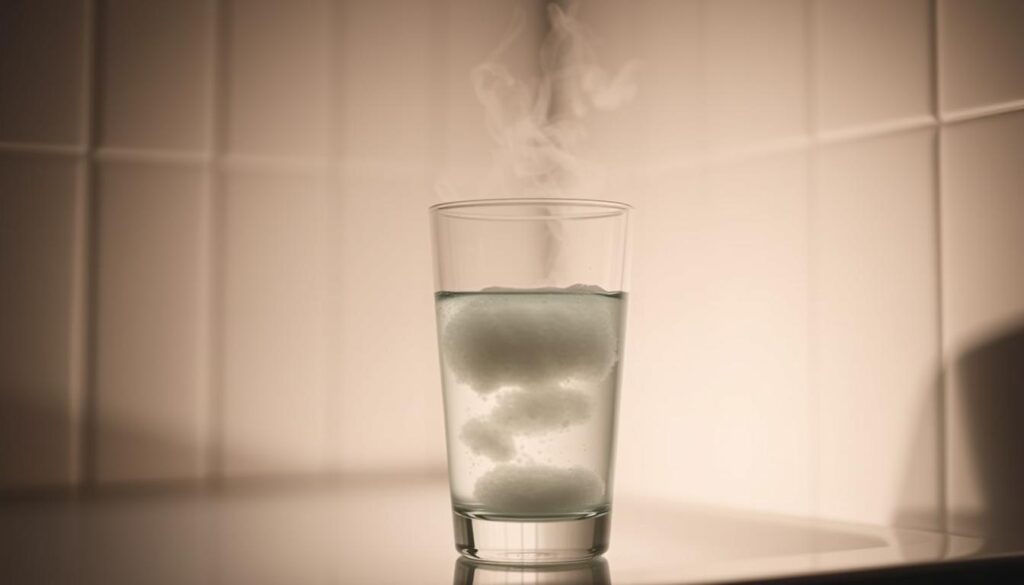
Repeat this process several times a day. Do it after waking up and before bed to help alleviate sore throat discomfort.
Staying hydrated by drinking plenty of fluids can also help soothe a sore throat. Warm liquids like tea or broth can be very comforting.
Using cold remedies such as throat lozenges or sprays can also provide temporary pain relief. But, it’s essential to follow the instructions and consult with a healthcare professional if your symptoms persist.
Manage Coughing
Coughing is a common symptom of the cold. It can disrupt your rest and daily activities. The right remedies and medicines can help manage it.
Cough medicines are available over-the-counter. They come in two types: expectorants and suppressants. Expectorants, like guaifenesin, thin mucus, making it easier to cough up. Suppressants, such as dextromethorphan, reduce the cough reflex.
Choosing the right cough medicine is important. If you have thick mucus, an expectorant is best. For a dry, hacking cough, a suppressant works better.
Safe Use of Cough Medicines
Always follow the instructions when using cough medicines or cold remedies. Read the label and don’t take more than the recommended dose. Some medicines can have side effects or interact with other drugs.
Try non-medication methods for cough relief too. Stay hydrated, use a humidifier, or try honey or lozenges. These can help along with medicines.
By using the right medicines and self-care, you can reduce coughing. This helps you recover from the cold faster.
Stay Warm and Comfortable
Dressing warmly and staying cozy can help ease cold symptoms. It also supports your body’s recovery. When you’re sick, your body is fighting hard to get better. Keeping warm and comfortable helps this fight.
Staying warm means more than just turning up the heat. It’s about wearing the right clothes too. Choose warm, comfy clothes and use a cozy blanket. This lets your body save energy, helping it fight the cold better.

As Dr. Emily Chen, a family medicine practitioner, suggests, “Dressing in layers and keeping a comfy room temperature can really help when you have a cold.”
“Comfort is key when you’re battling a cold. Staying warm and cozy can help ease symptoms and support your recovery.”
By focusing on comfort and warmth, you create a better environment for recovery. This helps you feel better faster.
Avoid Spreading Germs
Good hygiene is key to stop germs when you’re sick. One simple way is by washing your hands often. This can greatly lower germ spread to others and to yourself.
To wash hands right, use soap and warm water. Rub hands together to make lather. Scrub all parts, including backs of hands, between fingers, and under nails. Keep washing for at least 20 seconds before rinsing well. If no soap and water, use alcohol-based hand sanitizer.
Also, stay away from others to stop germ spread. Keep at least three feet from people, mainly in small spaces. When out, think about wearing a mask to block airborne germs.
Don’t forget to clean and disinfect things people touch a lot. Like doorknobs, light switches, and countertops. Disinfectant sprays or wipes can kill germs that stay on surfaces for hours or days.
By doing these simple things, you can greatly cut down germ spread. This helps keep those around you healthy. Good hygiene is not just for you; it’s also kind to your community.
Know When to See a Doctor
Most colds can be treated at home with rest, water, and care. But, some cases need a doctor’s help. It’s important to know when to seek medical attention.
If you have trouble breathing, chest pain, or a severe headache, get help fast. These signs might mean you have a serious cold complication like pneumonia or a sinus infection. A doctor needs to check you.
If your cold symptoms get worse or don’t get better with home care, see a doctor. They can figure out what’s wrong and help you avoid more problems.
Knowing how your body reacts to a cold and when to see a doctor is key. It helps you get better faster and avoid serious issues. If you’re unsure, it’s safer to talk to a healthcare professional.