





Teaching good manners to kids is key for their growth into polite people. Maria Montessori said kids from two to six are best at learning Practical Life skills. These skills help them control their actions and be polite.
Practical Life skills are central to the Montessori method. They focus on daily tasks and social actions. Learning manners at home is vital for kids’ social skills and future relationships.
Parents can teach kids to be courteous and considerate. Simple practices and routines help kids develop social skills. These skills are important for success in many areas of life.
Understanding the Importance of Manners
As Horace Mann once said,
“Manners easily and rapidly mature into morals.”
This quote shows how important good manners are. They help shape our character and how we interact with others. In today’s world, good manners and etiquette are key for showing respect and being civil.
Good manners show who we are and help us build strong, positive relationships. When we act with respect, our community becomes more considerate and harmonious. The importance of manners lies in their ability to create a positive and respectful environment, where everyone feels valued and appreciated.
Manners and etiquette are more than just rules. They are about showing respect and empathy towards others. By practicing good manners, we can handle social situations with confidence and grace. This makes our society more respectful and considerate.
Adding good manners to our daily lives can deeply impact our personal and professional relationships. It can lead to stronger, more meaningful connections and a greater sense of community. By understanding the importance of manners, we can strive for a more civil and respectful world.
Types of Manners to Teach
To raise well-mannered children, it’s key to know the different manners to teach. Basic manners are the first step. They include simple things like saying hello to family and using polite words.
Daily manners are used every day. They help make a home respectful and considerate. This includes saying “please” and “thank you,” waiting to eat until everyone is served, and other polite actions that show respect.
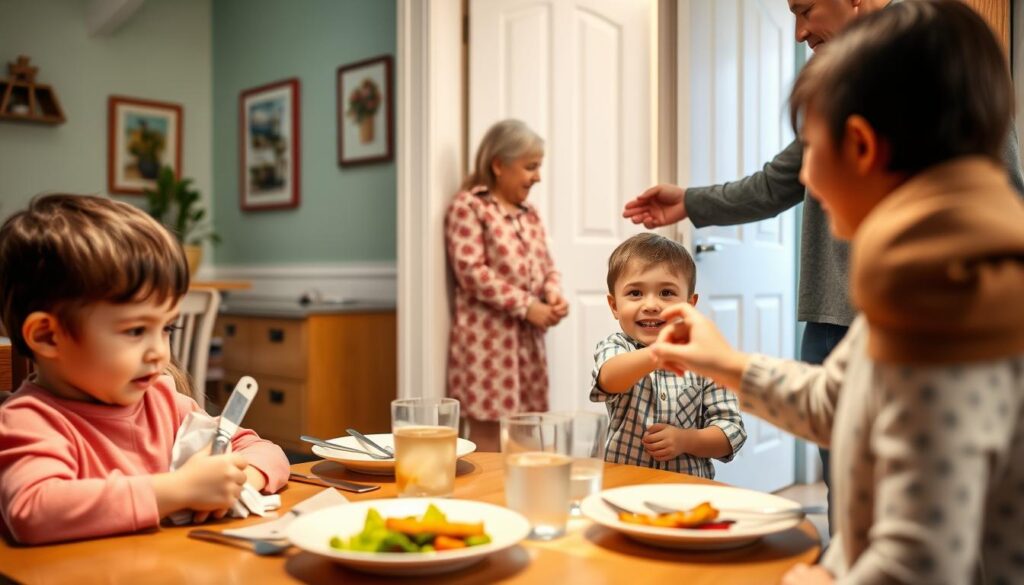
Teaching table manners is also very important. It means not talking with food in your mouth, not interrupting, and being thankful for the meal. These actions show good manners and make meals better for everyone.
Polite Expressions and Greetings
Using polite words and greetings is very important. Teaching kids to greet others right, whether it’s a family member or a guest, shows respect and kindness.
By teaching these manners every day, parents help their kids become respectful and considerate. Practicing polite behavior often makes it a natural part of their life. This improves how they interact with others.
Setting a Good Example
Children often copy what their parents do, making it key for adults to show good manners. This starts early and lasts as they get older. Kids learn what’s polite and respectful by watching their parents.
Modeling good manners is more than just teaching. It’s about showing through actions. When parents say “please” and “thank you,” kids are more likely to do the same. Parents should be careful with their actions and reactions, as kids learn from everything they see and hear.
Parental influence goes beyond just saying the right words. It’s also about how parents treat others, like service staff, friends, and family. Kids watch these interactions and might copy them. So, it’s important for parents to be good role models in all they do.
Setting a good example also means being consistent. Kids do best in a place where rules and behaviors are always the same. This helps them know what’s expected of them in terms of manners and behavior.
By knowing their impact and trying to be good role models, parents can really shape their kids’ behavior and social skills. This helps not just the kids but also makes society more polite and respectful.
Incorporating Manners into Daily Life
Teaching children good manners helps them build a strong moral base. By making manners practice a daily habit, they learn to value and respect others.
Practicing manners at meals is a great start. Encourage kids to say “please” and “thank you” when they pass dishes or get food. This teaches them to be thankful and respectful. Also, teach them to wait for everyone to be served before they start eating. This helps them learn patience and think about others.
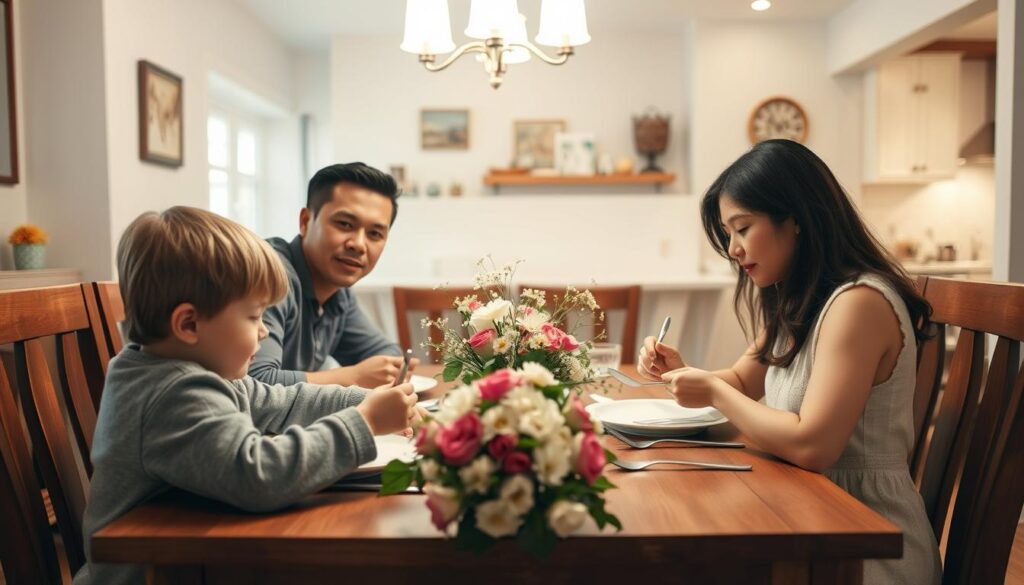
Creating daily habits with good manners takes consistency and positive feedback. For example, saying hello with a smile to family or guests becomes a regular greeting. These daily habits lay a solid foundation for good manners that last a lifetime.
Also, incorporating manners into daily activities like talking, receiving gifts, or being in public boosts a child’s social skills. When manners become second nature, kids grow up to be kind and thoughtful adults.
Positive Reinforcement Strategies
Positive reinforcement is a great way to teach kids good manners. It works by rewarding them for good behavior.
When kids show good manners, praising them is key. Specific and genuine praise helps them want to do it again.
There are many ways to use positive reinforcement. For example, giving immediate rewards like stickers or treats can motivate kids. Later, you can switch to verbal praise or other rewards.
Creating a reward chart is another good idea. Kids can mark their progress each time they behave well. When the chart is full, they get a reward, teaching them about consistent good behavior.
Being consistent is also vital. Consistency shows kids what’s expected and encourages the right behavior. By being consistent and positive, parents can help kids develop good manners and positive behavior.
Dealing with Difficult Behaviors
Handling tough behaviors is key in teaching manners. It needs a careful and varied approach. Teaching kids to solve conflicts peacefully and with respect is very important.
Using the “peace rose” method is a good way to teach this. It helps kids manage disagreements calmly and with respect. They learn to listen well, share their feelings, and find solutions that respect everyone.
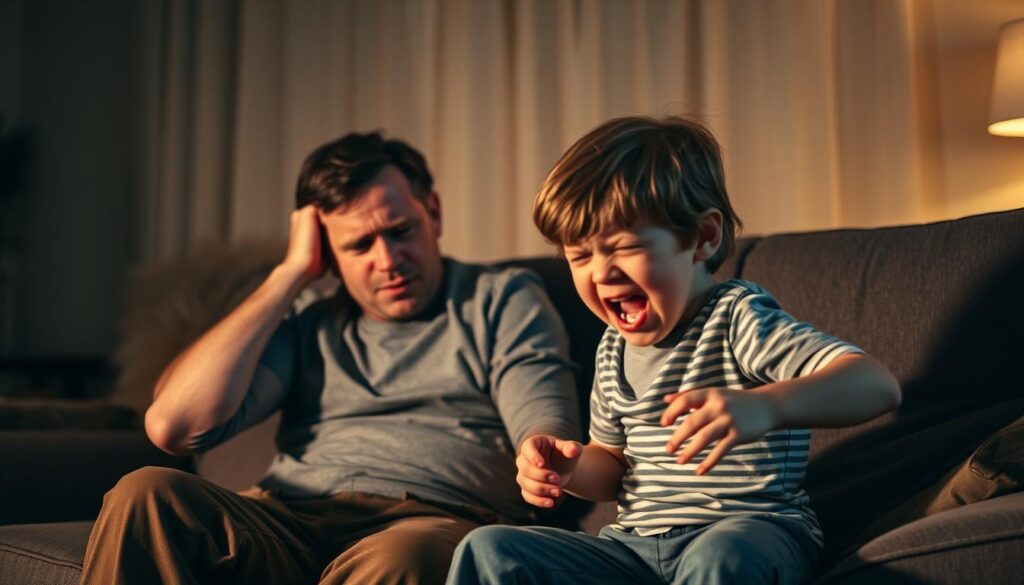
Managing behavior in tough situations takes patience, understanding, and being consistent. It’s important to have clear rules and consequences. Also, praise good behavior to encourage it.
When facing difficult behaviors, staying calm is vital. This shows kids that staying calm is possible, even in challenging situations. It teaches them to be respectful and composed.
Teaching respectful communication is essential. This means teaching kids to express their feelings and needs clearly. This way, they avoid being aggressive or disrespectful. Creating a space where kids feel heard and understood helps reduce tough behaviors.
Age-Appropriate Manners
Teaching manners to kids needs to match their age and stage of growth. This makes learning more effective.
Kids at different ages can handle different manners. Toddlers start with simple things like saying “please” and “thank you.” Older kids learn more, like table manners and how to greet people.
Understanding Developmental Stages is key to teaching manners. Kids go through stages that affect how they learn and use manners.
Young kids, like those in preschool, start with basics like sharing and taking turns. As they get older, they learn more, like mealtime manners and how to talk to adults.
Tailoring manners education to the child’s age boosts learning and reinforces good habits. It’s vital for parents and caregivers to know the child’s stage to guide them well.
By teaching age-appropriate manners, parents help kids become respectful and thoughtful. This education supports their social and emotional growth, preparing them for good relationships in life.
Using Role-Playing for Better Understanding
Teaching good manners can be fun with role-playing. It lets kids practice social skills in a playful way. This makes learning good manners easier and more enjoyable.
Role-playing means acting out scenarios that need good manners. This includes saying hello, using “please” and “thank you,” or acting right at dinner. It helps kids get better at social skills and feel more confident around others.
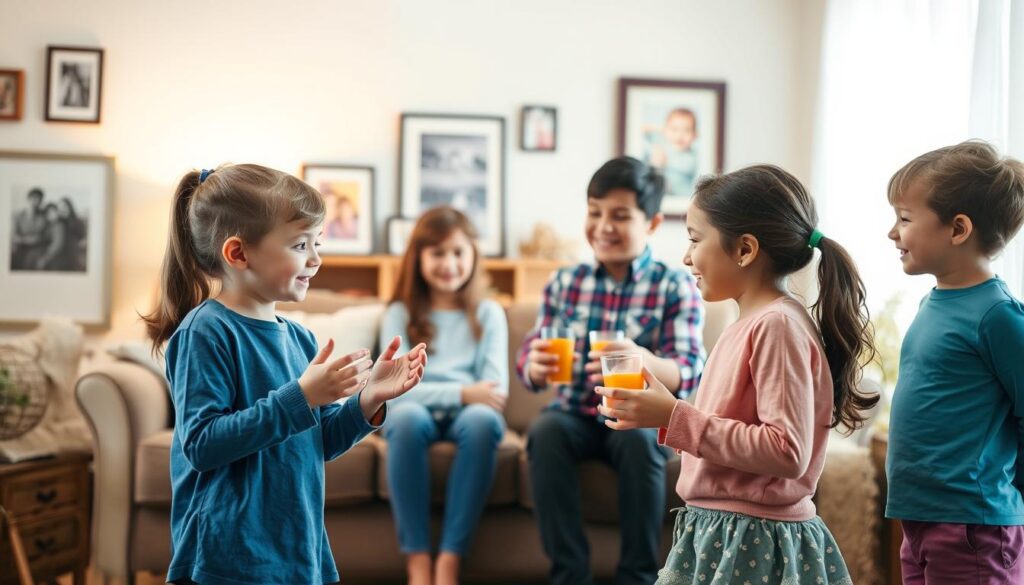
Dr. Laura Markham, a clinical psychologist, once said, “Role-playing helps kids show empathy and kindness. They’re more likely to do this in real life too.” This shows how key role-playing is in teaching manners and social skills.
“The way to gain a good reputation is to endeavor to be what you desire to appear.” –
Role-playing can fit any age and can be made fun with different themes. For instance, you can set up a pretend restaurant or store. Kids can then practice ordering or asking for help.
By making role-playing a regular thing, parents can teach kids important manners and social skills. It’s a simple yet powerful way to show kids the value of being respectful and kind to others.
Encouraging Empathy and Kindness
Teaching kids to be empathetic and kind is key to a better world. It helps them grow into caring people. By learning to understand and respect others’ feelings, they become more considerate.
Empathy lets us share and get another person’s feelings. It’s a big part of being kind. When kids are empathetic, they tend to share, help, and comfort others more.
Parents and caregivers can help by doing fun activities with kids. Reading stories that show different feelings can teach them about emotions. It helps them understand others better.
Role-playing different social situations is also great. It lets kids practice being supportive and understanding. They learn how to meet others’ needs in a caring way.
Also, practicing gratitude boosts kindness. When kids say thanks for what they have, they start to see the world in a more positive light. This helps them care more about others.
By making these activities a part of daily life, parents can raise kind and empathetic kids. This way, they help build a more caring and understanding community.
Reinforcing Manners with Games
Games are a great way to teach kids about good manners. They make learning fun and engaging. This way, kids practice good behavior without feeling like they’re being forced.
Try a manners charades game. Kids act out scenarios that show good manners, like saying “please” or “thank you.” It’s a fun way to learn manners and promotes teamwork and creativity.
Organize a manners scavenger hunt at home or in the backyard. Kids have to do tasks that show good manners, like holding the door or using a napkin. They earn points for each task, making it a fun challenge.
Role-playing is another great way to teach manners. Parents can act out different social situations with their kids. This helps kids learn how to greet guests or share toys properly.
Playing board games or card games that teach good manners is also helpful. For example, a game might give points for using polite language. It might also take points away for interrupting others.
By making manners games a regular part of their routine, kids learn good manners in a fun way. It’s a memorable experience for them.
Teaching Cultural Differences in Manners
Manners change a lot from one culture to another. It’s important to teach kids about these differences early on. Learning about cultural differences in manners helps them see the world in a new way. It also makes them more culturally sensitive.
Introducing kids to different cultural practices helps them appreciate our diverse world. For example, how people greet each other or use table manners can vary greatly. In some places, taking off your shoes before entering a home is common. In others, it might seem strange.
Parents can teach their kids about cultural sensitivity through fun activities. They can cook meals from different cultures, celebrate various holidays, or learn basic phrases in other languages. These activities show kids that cultural differences make our world interesting and colorful.
Teaching kids about manners in different cultures prepares them for social situations. It helps them interact well with people from different backgrounds. It also teaches them to be good global citizens.
Monitoring Progress and Growth
Watching and praising kids for their good manners is key. It helps them learn and grow. By keeping an eye on their progress, parents can see where they need help. This lets parents give focused support and encouragement.
Good manners come from consistent practice and tracking. Checking how well a child uses manners in different situations is important. It shows parents what the child does well and what they need to work on.
Parents can use a simple journal to track their child’s manners. They can write down times when the child shares, says “please” and “thank you,” or shows respect. This helps parents see patterns and know where to help more.