






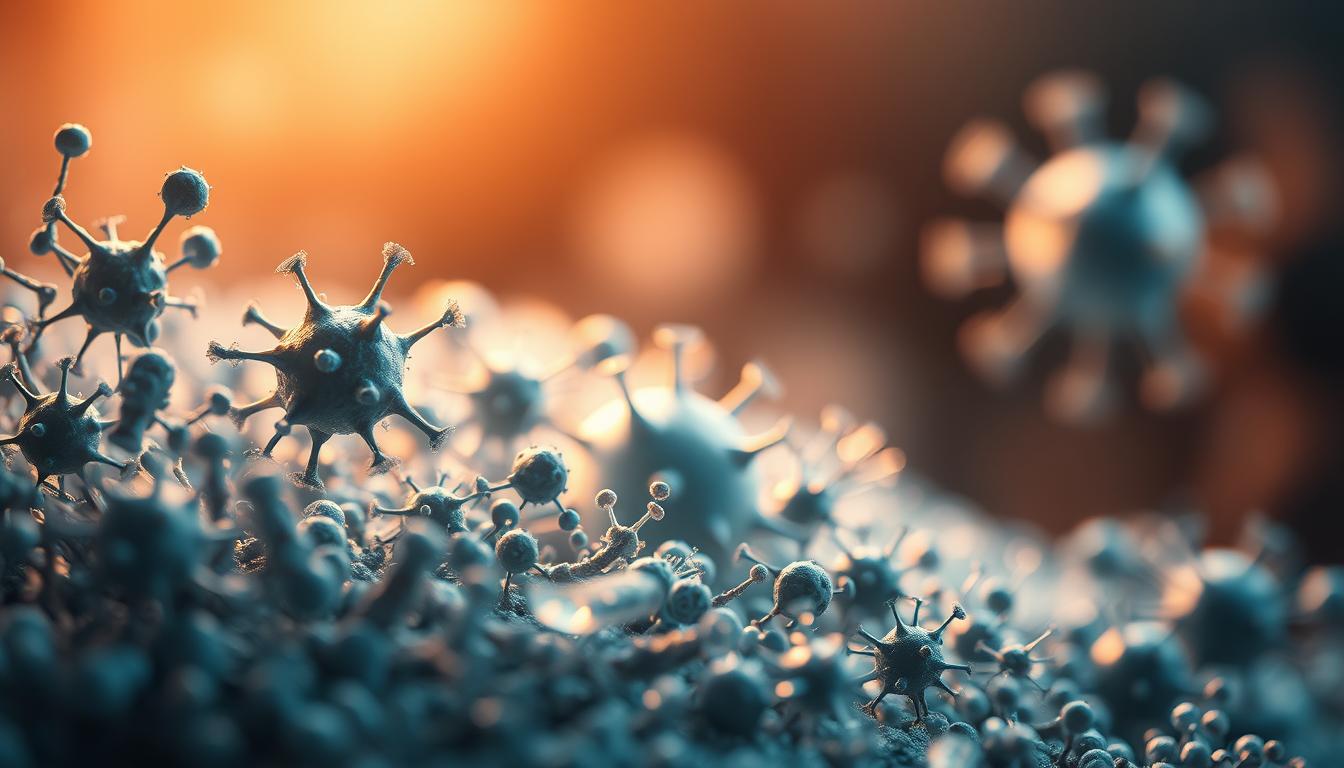
Germs are everywhere. They are microorganisms that can cause disease. You can find them in the air, water, and soil. They are also on plants, animals, and food, and on the surfaces and objects we touch.
Understanding microbes is key because they can lead to health issues if not managed. By knowing what microorganisms are and how they spread, we can prevent problems.
Effective prevention begins with awareness. Knowing that germs are everywhere is the first step in keeping ourselves and others safe from their harm.
Understanding Germs: The Basics
The world of microbes is huge and varied. It includes bacteria, viruses, fungi, and protozoa. Each has its own special traits.
Bacteria are tiny, single-celled beings. Some are good for us, helping with digestion and making food. But others can make us sick, leading to diseases like tuberculosis and pneumonia.
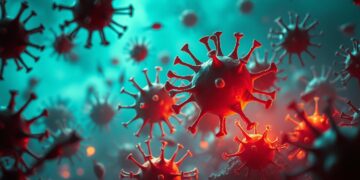
Viruses are even smaller than bacteria. They need a host cell to grow. They can cause everything from the common cold to serious diseases like COVID-19. Knowing how viruses work helps us find better treatments and vaccines.
Fungi live in many places. Some are good for us, used in baking and brewing. But others can make us sick, like ringworm and athlete’s foot.
Protozoa are single-celled germs that can make us ill. For example, Plasmodium species cause malaria. This is a serious disease spread by mosquitoes.
It’s key to understand the different types of germs and how they work. This helps us stop illnesses from spreading and find the right treatments. By learning about each germ, we can keep ourselves and our communities safe.
The Role of Germs in Human Health
Germs are not all bad. They have a big role in our health, both good and bad. Some germs help us, while others can make us sick.
Our bodies are full of germs, mostly in our gut. These beneficial germs help us digest food and keep our gut health strong. They break down tough foods and help us absorb nutrients.
But, some germs can make us very sick. They can get into our bodies through bad food or touching someone who’s sick. Having a strong immune system helps fight off these bad germs.
It’s important to keep a balance of good and bad germs in our bodies. We can do this by washing our hands, eating well, and living healthy. Taking care of our gut health and immune system helps us stay healthy.
In short, germs are complex in our health. They can help or harm us. By keeping a balance and taking care of ourselves, we can stay well and avoid sickness.
Common Types of Germs and Their Effects
Germs, or microorganisms, come in different forms. Each has a unique impact on our health. The two most common types are bacteria and viruses, both causing various diseases.
Bacterial infections happen when harmful bacteria enter and multiply in the body. Tuberculosis and strep throat are examples. Tuberculosis, caused by Mycobacterium tuberculosis, mainly affects the lungs but can spread. Strep throat, caused by Streptococcus pyogenes, leads to a sore throat, fever, and swollen lymph nodes.
Viral infections are caused by viruses that invade and hijack host cells. The common cold, flu, and COVID-19 are examples. The common cold, caused by viruses like rhinoviruses, results in mild symptoms. The flu, caused by influenza viruses, can cause severe symptoms like high fever and pneumonia.
Examples of Viral Diseases
Viral diseases can vary from mild to life-threatening. COVID-19, caused by the SARS-CoV-2 virus, has been a major global health issue. It’s important to understand how to prevent viral diseases to control outbreaks.
To prevent the spread of germs, we must practice good hygiene. This includes frequent handwashing and avoiding close contact with sick people. Getting vaccinated against certain diseases is also key. By knowing how germs are transmitted, we can protect our health and stop diseases from spreading.
How Germs Make Us Sick
The way germs make us sick is quite complex. It involves them invading, multiplying, and causing harm to our bodies. Germs are all around us. When they get into our bodies, they can lead to many health problems.
Germs invade our cells, multiply, and cause damage. Our immune system tries to fight back. This fight can lead to different infection mechanisms, depending on the germ and where it hits our body.
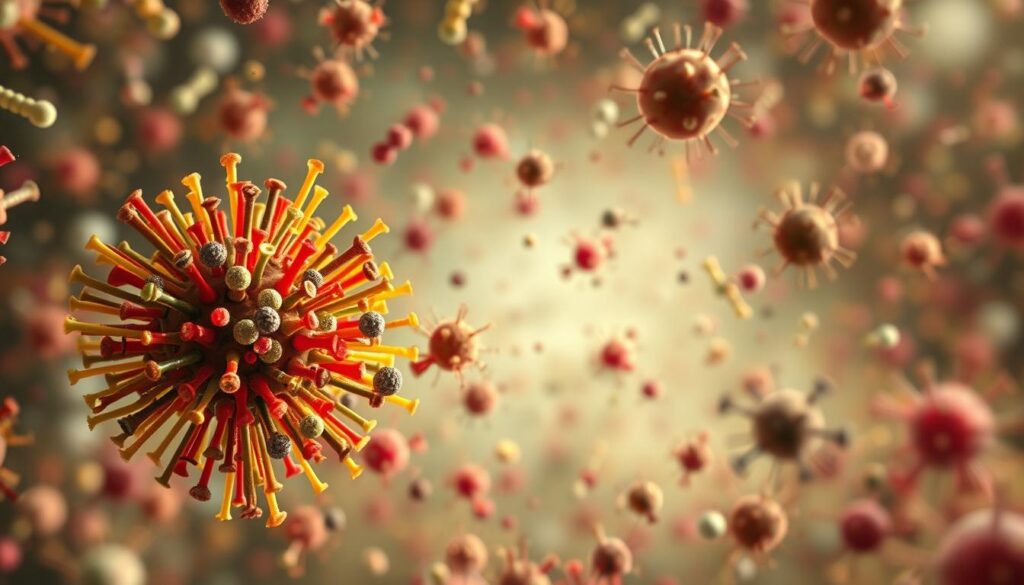
Our body’s response to these invaders can cause symptoms like fever and inflammation. These are part of our body’s defense. Knowing how germs cause disease is key to finding good treatments and ways to prevent it.
Different germs have different ways of making us sick. Some bacteria make toxins that harm cells. Viruses take over our cells to make more of themselves, leading to cell death or problems.
Understanding how germs make us sick helps us see why keeping clean, getting vaccinated, and other preventive steps are so important. The link between germs and illness is complex. Research keeps giving us new insights into infection mechanisms and disease causation.
Everyday Habits to Prevent Germ Spread
Adding simple habits to our daily routine can help stop germs from spreading. One key way is through hand hygiene. Washing hands with soap and water for 20 seconds is essential. Do this after using the bathroom, before eating, and after coughing or sneezing.
Respiratory etiquette is also critical. When we cough or sneeze, cover our mouth and nose with a tissue. If no tissue is available, use our elbow. Also, avoid being close to sick people and stay home if we’re not feeling well.
Another good habit is to clean and disinfect surfaces often. Focus on areas like doorknobs, light switches, and countertops. These actions help prevent germs from spreading. By making these habits part of our daily lives, we can keep ourselves and others healthier.
Importance of Vaccination
Vaccines are a cornerstone in the prevention of diseases that were once widespread and often deadly. They have changed public health by greatly reducing infectious diseases. Vaccination protects not just the person but also the community by stopping disease spread.
Vaccines introduce a harmless germ piece or a weakened germ to the body. This makes the immune system create antibodies to fight future infections. So, if the person gets the disease, their immune system is ready to fight it off.

Vaccines have many benefits. They protect against specific diseases and help with herd immunity. This is key for protecting those who can’t get vaccinated because of health issues. A high vaccination rate in a community greatly reduces disease spread.
Vaccination is key in disease prevention. It helped get rid of smallpox and almost wiped out polio. Keeping up with vaccination is vital to keep these successes and fight other preventable diseases.
In short, vaccination is a vital part of public health. Knowing how vaccines work and their role in disease prevention shows why keeping vaccination rates high is important. It protects both individuals and communities.
Cleaning Products That Kill Germs
Effective germ control starts with the right cleaning products. It’s important to pick the right disinfectants to reduce germs in our homes and public areas.
Look for germ-killing products with hydrogen peroxide or isopropyl alcohol. These ingredients are good against many germs. Make sure the products you choose have these ingredients.
It’s not just about the ingredients. Knowing how to use these products is key. Always follow the label’s instructions. This ensures the product works well to kill germs.
Key Considerations for Choosing Disinfectants
When picking a disinfectant, think about the surfaces you need to clean. Some products work better on certain surfaces, like countertops or sinks. Make sure the product fits your needs.
Also, look at the product’s active ingredients. EPA-registered ingredients have been tested and work well against germs. Always check the label for this and follow the use instructions.
By choosing the right cleaning products and using them right, you can cut down germs. This makes your space healthier for everyone.
Myth-Busting: Common Germ Myths
Misconceptions about germs are everywhere, and it’s key to clear them up for better health. Germs, or microorganisms, are often misunderstood. This leads to unnecessary fear and misinformation. It’s time to set the record straight and separate fact from fiction when it comes to germs.
One common myth is that all germs are harmful. But, while some germs can cause illness, many are harmless or even good for us. For example, beneficial bacteria in our gut help with digestion and boost our immune system. Knowing the difference between harmful and harmless germs can help reduce unnecessary anxiety and promote a healthier lifestyle.
Another misconception is that certain products can completely eliminate germs. While some cleaning products are effective against a broad spectrum of germs, it’s a myth that you can completely eradicate all germs from your environment. In fact, overusing certain products can lead to resistance and other issues. It’s more about maintaining a balance and practicing good hygiene, such as regular handwashing and proper cleaning techniques.
Separating fact from fiction when it comes to germs is key for public health. By understanding the truth behind common germ myths, individuals can make informed decisions about their health. They can adopt practices that are both effective and sustainable.
Staying informed and being aware of the facts can significantly impact our ability to manage germs effectively.
The Impact of Germs in Public Spaces
In public areas, people are often close together, making it easy for germs to spread. This shows why good hygiene is so important. Places like schools, offices, and buses are hotspots for germ transmission because of the close contact.
Public spaces are very susceptible to germ spread because lots of people are together. Schools, for example, often see outbreaks of illnesses like the flu and norovirus. This is because students are in close contact with each other.
To stop germs from spreading, we need to practice good hygiene. Regular cleaning and disinfecting surfaces is key, focusing on areas like door handles, light switches, and countertops.
“Hand hygiene is the single most important measure for reducing the spread of germs in public spaces.”
Also, teaching people about the importance of hygiene can help a lot. Public health campaigns and educational programs can teach the public about the role of personal hygiene in stopping illnesses.
By understanding how germs spread in public places and taking action, we can improve public health. This can help lower the number of illnesses caused by germs.
Staying Informed About Germs and Health
It’s important to stay updated on germs and health today. New germs and diseases keep coming, so finding reliable sources is key. Look to places like the Centers for Disease Control and Prevention (CDC) and the World Health Organization (WHO).
Learning about germs helps stop diseases from spreading. Knowing how germs move and how to avoid them is important. Websites and journals from trusted health groups offer the latest on germs and health.
To keep up, follow health groups on social media and sign up for newsletters. Joining local health efforts is also a good idea. By staying informed and acting early, we can all help keep our communities healthy.