







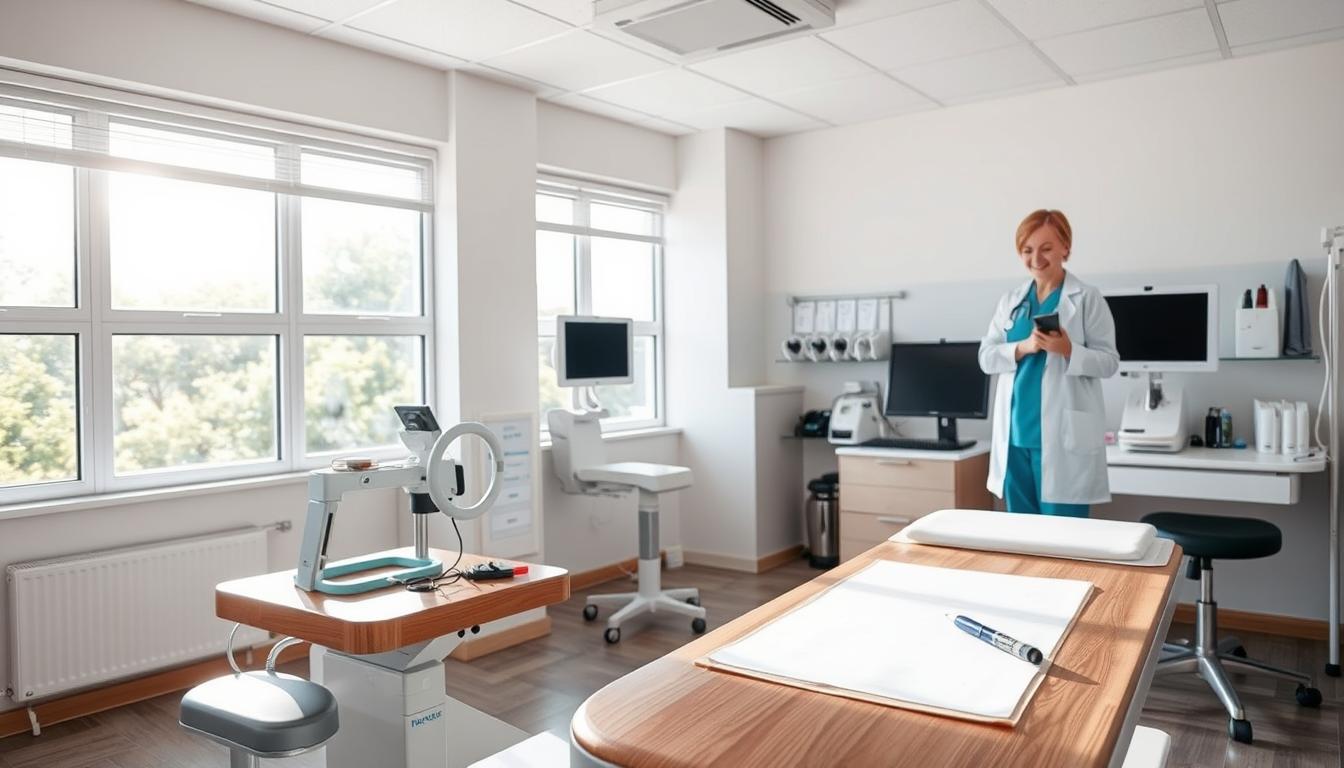
An annual physical is key to keeping healthy. At a health screening, a doctor checks your overall health. They look at any health concerns or risks you might have.
A good doctor will listen to your health issues, give advice, and do a detailed check-up. This helps find health problems early. It allows for quick action to fix them.
Knowing what to expect at a doctor visit helps you prepare. Being informed lets you work better with your doctor. This makes your visit more useful and helpful.
Understanding the Importance of Doctor Visits
Going to the doctor regularly is key for catching health problems early. Regular checkups can spot issues before they get worse. This helps improve treatment results. It’s a big part of preventive care.
A wellness exam is more than just a routine visit. It’s a chance to check your overall health and talk about any worries. Your doctor can give advice on staying healthy, discuss symptoms, and do screenings to find problems early.
A health checkup lets your doctor keep an eye on your health over time. They can track changes and find risks for different conditions. This info is key in stopping illnesses and treating health issues early.
Also, regular visits help you build a strong bond with your doctor. This makes it easier to talk about personal health matters or ask questions. This bond leads to more tailored care and better health results.
In short, making doctor visits a regular part of your health care is simple but very effective. It shows you care about your health and want to tackle any issues early.
Preparing for Your Appointment
Getting ready for your doctor’s visit can make a big difference. It helps make your visit more effective and ensures your doctor has all the info they need. This way, they can give you the best care possible.
To get ready, start by collecting important information. Make a list of your medications and any allergies you have. Also, write down any symptoms you’re feeling. Bring any test or lab results you’ve had before. This helps your doctor understand your medical history better.
It’s also a good idea to jot down any questions or concerns you have. This way, you won’t forget to talk about them during your visit. Having a list of questions makes your appointment more efficient and effective.
Another key part of preparation is being ready to talk about your medical history. This includes past illnesses, surgeries, or any major health events. Your doctor will use this info to make decisions about your care.
By following these steps, you can make your visit as productive as possible. This not only helps you but also ensures your doctor can give you the best care suited to your needs.
The Check-in Process
When you arrive at your doctor’s office, you start with the check-in process. This is a key part of your visit. You let the healthcare staff know you’re there and share any updates.
A nurse or medical assistant will check you in. They’ll ask if there are any changes to your medical history. This is important to keep your health information up to date.
At check-in, you might need to give your insurance details or other important information. After checking in, you’ll wait a bit before having your vital signs taken. This includes your blood pressure, temperature, and other health checks.
Updating your medical history and checking your vital signs are key parts of the check-in. They help your doctor understand your health and make the best decisions for you.
Vital Signs: What to Expect
When you visit your doctor, they first check your vital signs. These signs are key to knowing your health. They show how well your body is working.
There are four main vital signs: blood pressure, heart rate, respiration rate, and temperature. Each sign tells us something important about your health.
Blood Pressure, Heart Rate, Respiration Rate, and Temperature
Blood pressure shows how hard blood pushes against your artery walls. A normal reading is about 120/80 mmHg. Heart rate, or pulse, is how many times your heart beats in a minute. It should be between 60 to 100 beats per minute.
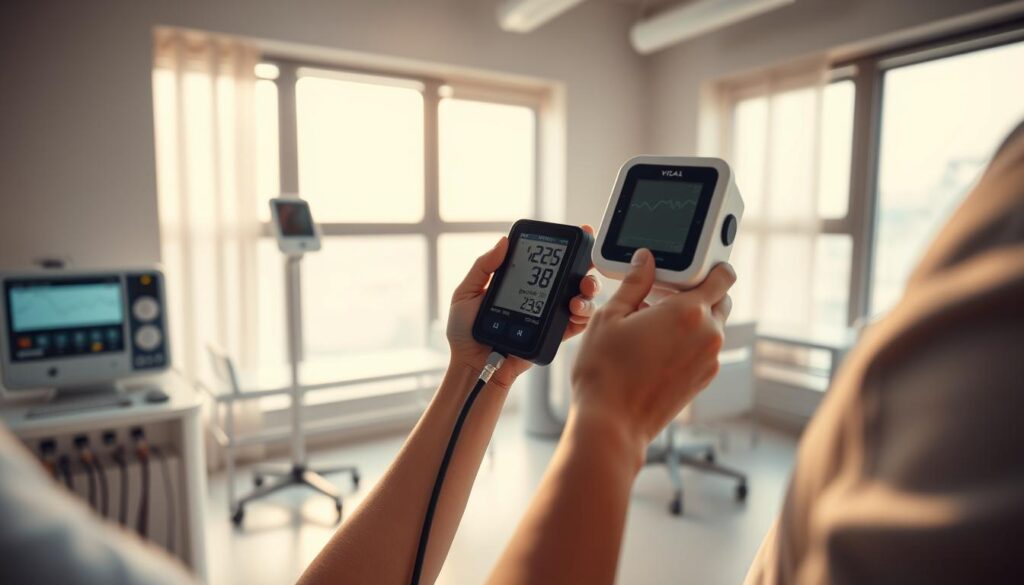
The respiration rate is how many breaths you take in a minute. For adults, it’s usually 12 to 20 breaths. Body temperature is also important. It should be between 97.7 to 99.5 degrees Fahrenheit (36.5 to 37.5 degrees Celsius).
Knowing about these vital signs helps you understand your health better. If any of these are off, it might mean you need to see a doctor more often.
The Doctor’s Examination
A thorough doctor’s exam is key for catching health problems early. It helps keep you in top shape. Your healthcare provider will check your body’s systems to find any issues.
The physical examination is a big part of your checkup. It includes listening to your heart and lungs, checking your abdomen, and testing your reflexes. Your healthcare provider will use these checks to see how you’re doing overall.
As Dr. John Smith, a renowned healthcare expert, notes, “A complete physical exam is essential for staying healthy. It spots health problems early, so we can act fast.” This shows how important the doctor’s exam is for your health.
Your healthcare provider might do more tests depending on your age, health history, and other things. They might check your blood pressure, look at your skin for unusual moles, or test your brain function. This way, you get a detailed health check.
“Regular checkups and physical exams are key for staying healthy and avoiding sickness. They let your healthcare provider give you advice and care that’s just right for you.”
In short, the doctor’s exam is a big part of your checkup. It lets your healthcare provider do a full health check, find any problems, and help you stay healthy.
Discussing Your Health Concerns
Your healthcare provider will ask about your symptoms and medical history. They want to understand your health concerns better.
Talking openly about your health is key for a correct diagnosis and treatment plan. Share your symptoms in detail. Tell them when they started, how long they last, and what makes them better or worse.

Also, share your medical history. This includes any past illnesses, allergies, and current medications. This info helps your healthcare provider understand your health better.
Don’t be shy to ask questions or share concerns during your visit. Your healthcare provider is there to help. Openly discussing your health can lead to better health outcomes.
By sharing your symptoms and health concerns, you help your healthcare provider give you the best care. It’s tailored to your specific needs.
Laboratory Tests: A Common Part of Checkups
During a checkup, your doctor might order laboratory tests. These tests help check your health and find problems early. They give important info about your health, even if you don’t feel sick.
Doctors often do tests like a complete blood count, chemistry panel, or urinalysis during checkups. These tests can spot many health issues, like diabetes or kidney disease.
Health experts say, “Laboratory tests are key in preventive care. They help find and treat health problems early.” Regular health screening with these tests can really help your health.
Getting blood work done during your checkup is important. It helps your doctor understand your health better. Talking about your test results with your doctor can help you understand your health. It also helps you take steps to keep or improve it.
Vaccinations and Preventive Care
Keeping up with vaccinations and preventive care is key to your health. Your checkup is a great time to catch up on these.
Vaccines protect you from serious diseases. At your annual exam, your doctor will check your vaccination history. They’ll tell you if you need any shots.

Your doctor might also suggest preventive screenings. These tests help find health problems early. They check for things like diabetes, high blood pressure, and some cancers.
Preventive care means taking care of your health before problems start. Getting the right vaccinations and screenings can lower your risk of serious health issues.
Your doctor will help you make a care plan just for you. They’ll consider your health history, age, and more. This ensures you get the best care possible.
Advice on Lifestyle and Wellness
Your doctor visit is a great chance to get lifestyle advice that can really help your health.
At your appointment, your healthcare provider will talk about your lifestyle. They will give you wellness tips that fit your needs.
They might suggest healthy habits like exercising regularly, eating well, and staying away from bad habits like smoking or drinking too much.
Following these healthy habits can lower your risk of serious diseases. It can also make your life better overall.
Your healthcare provider might also give you wellness tips on handling stress, sleeping better, and keeping a healthy weight.
By taking this lifestyle advice, you can start living a healthier, more balanced life.
Follow-Up Care
After your checkup, it’s time for follow-up care. This means watching your health and setting up future visits. It’s key to keep on track with your health goals and handle any new concerns.
Your doctor will give you a summary of your visit. This includes health goals, new advice, prescriptions, and what’s next. Make sure to read this carefully and ask any questions you have.
Key components of follow-up care include: scheduling future appointments, watching your health, and telling your doctor about any changes or concerns.

Following up as advised helps you stay healthy and improve your well-being. This care helps spot problems early and keeps you supported on your health journey.
Effective follow-up care is a team effort between you and your healthcare provider. Together, you can reach your health goals and live a better life.
What to Do After the Appointment
After leaving the doctor’s office, your actions can greatly affect your health. It’s key to follow the advice and treatments given by your healthcare provider.
Adhering to Medication Regimens is very important. Make sure you know how much to take, when to take it, and for how long. If you’re unsure, always call your doctor for help.
Health tracking is also essential. Keep a log of your symptoms, any progress, or side effects. This info is very useful at future doctor visits, helping your doctor adjust your treatment.
Implementing Lifestyle Changes
Your doctor might suggest changes like better eating, more exercise, or ways to handle stress. Making these changes can really help your treatment work better. Start with small steps and gradually make bigger changes.
Lastly, medication adherence and health tracking are closely linked. By watching your health and sticking to your meds, you can see how your body reacts. This helps you make smart choices about your care.
By following these steps after your visit, you can do a lot to keep or improve your health. Remember, your healthcare provider is there to help. So, don’t be afraid to ask questions or share concerns.
Making the Most of Your Doctor Visit
To get the most out of your yearly physical, being prepared is key. This means gathering any necessary medical records. Also, list your current medications and note down any questions or concerns you have.
Effective communication with your healthcare provider is key. Ask questions about your health. Be open about your lifestyle and any issues you’re experiencing. This helps your provider understand your needs and offer personalized advice.
Following your healthcare provider’s advice is also vital for achieving better health outcomes. This may include making lifestyle changes. It could also mean undergoing recommended tests or following a treatment plan.
By taking an active role in your healthcare and maximizing your doctor visit, you can enjoy improved health outcomes. This leads to a better quality of life.