








An itchy nose can be quite bothersome and is often a sign of an underlying issue that needs attention. The causes can vary widely, but allergies are among the most common culprits.
Experiencing nasal pruritus, or an itchy nose, can be frustrating and may interfere with daily activities. Understanding the root cause is key to finding relief. While allergies are a frequent cause, other factors might also contribute to this uncomfortable sensation.
By identifying the cause of your itchy nose, you can take the first step towards alleviating the discomfort. This article will guide you through the common causes and solutions. It aims to help you manage and prevent future occurrences.
Understanding Allergies and Itchy Noses
When the body sees harmless things like pollen as threats, it can cause allergic reactions. This includes an itchy nose. This happens because the immune system overreacts, releasing histamine and other chemicals.
Histamine is key in the allergic response. It makes blood vessels widen, leading to more blood flow. This causes symptoms like itching, sneezing, and stuffy nose. An itchy nose is a common sign of allergies.
The immune system tries to protect us, but with allergies, it gets it wrong. The release of histamine and other chemicals causes various symptoms. These can be mild or severe. Knowing that allergies cause an itchy nose is the first step to managing it.
By understanding allergies and the immune response, people can reduce their symptoms. This improves their overall quality of life.
Symptoms of Nasal Allergies
Allergic rhinitis, also known as nasal allergies, has several symptoms. These symptoms can really impact your daily life and health.
Common Allergic Rhinitis Symptoms
The symptoms of nasal allergies differ from person to person. But common ones include a runny nose, sneezing, and nasal congestion. These happen because your body reacts to things like pollen or dust mites.
Other symptoms can be watery eyes, coughing, and post-nasal drip. Sometimes, it can even make breathing hard and cause fatigue. This can really affect your quality of life.
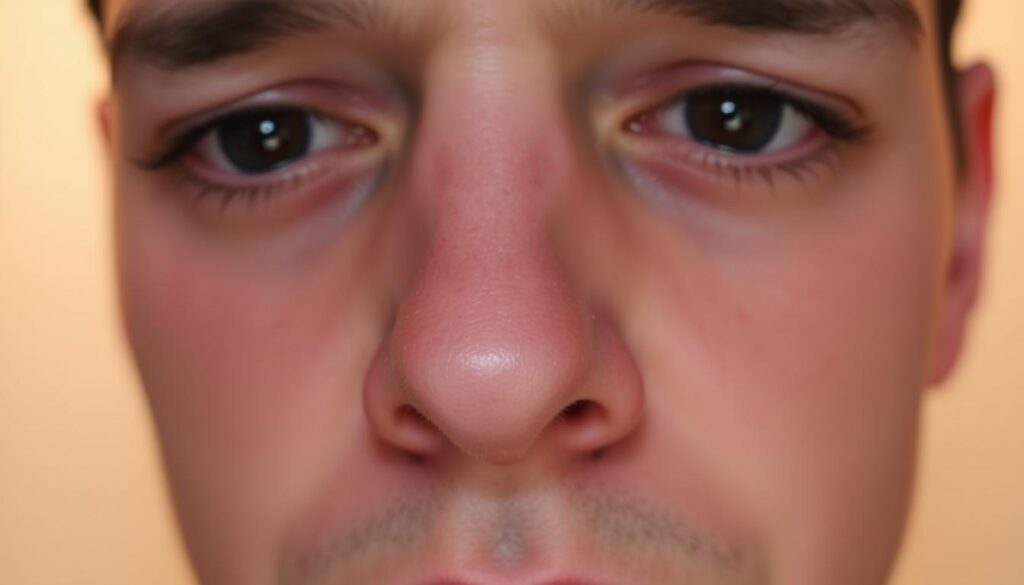
Knowing these symptoms is key to managing nasal allergies. By recognizing them, you can get help and find ways to lessen your allergic reactions.
Remember, these symptoms might be uncomfortable, but they can be managed. Getting advice from a healthcare professional is a good idea. They can help you figure out what’s best for your situation with allergic rhinitis.
Immediate Relief for Itchy Noses
An itchy nose can really mess up your day. Luckily, there are over-the-counter (OTC) medications that can help. OTC antihistamines are great for quick relief from itchy noses due to allergies.
Zyrtec (cetirizine), Allegra (fexofenadine), and Clarinex (desloratadine) are popular choices. They block histamine, a key player in allergy symptoms. Taking these can greatly lessen the itch in your nose.
Nasal sprays and decongestants can also offer relief. But, it’s important to use them as directed to avoid side effects. Talking to a doctor is a good idea if you’re not sure what to use.
Getting the right itchy nose relief can really improve your life, even during allergy seasons. Knowing your options and using them right can help you manage your symptoms well.
When to See a Doctor
Knowing when to seek medical help for an itchy nose can prevent further complications. If your nasal itchiness does not respond to over-the-counter antihistamines or steroid nasal sprays, it is advisable to consult an otolaryngologist (ear, nose, and throat specialist) for a thorough evaluation.
Severe symptoms such as difficulty breathing, nasal discharge, or facial pain are clear indicators that medical attention is necessary.
Medical professionals say a persistent itchy nose can be more than just a minor annoyance. It can be a sign of an underlying condition that needs medical attention. If you experience any of the following, it’s time to see a doctor: persistent itchiness that doesn’t subside with treatment, nasal congestion, or loss of smell.
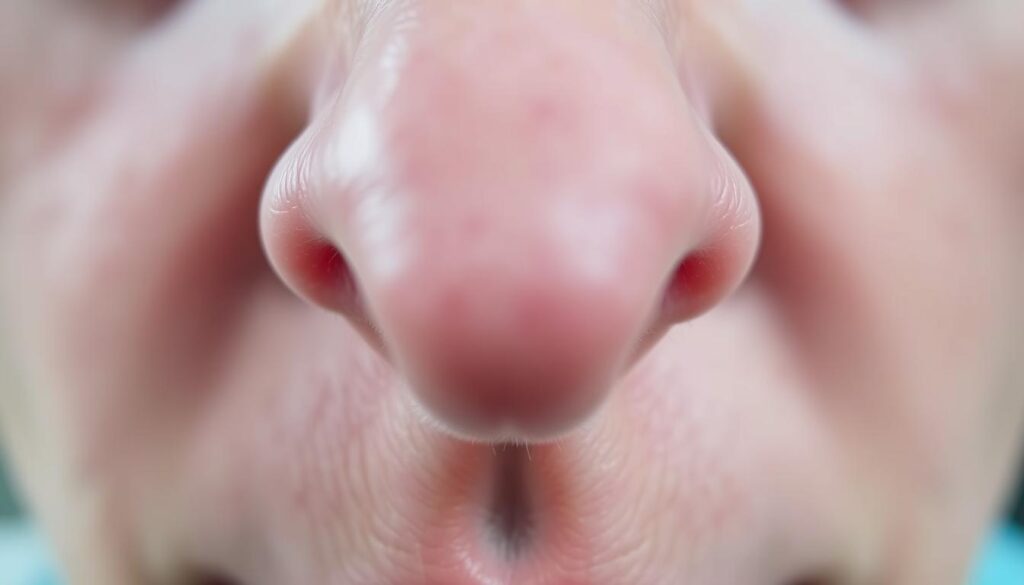
“A persistent itchy nose can be a symptom of various conditions, ranging from allergies to more serious nasal or sinus issues,” says an ENT specialist. “It’s important to get a proper diagnosis to rule out any underlying serious conditions.”
How Allergies Affect Your Quality of Life
Allergies can have a profound impact on your daily life. They affect not just your health but also your overall well-being. The constant discomfort and need for vigilance can be exhausting, influencing various aspects of life.
One of the primary ways allergies affect quality of life is by disrupting sleep patterns. When nasal allergies cause congestion and discomfort, it can be challenging to get a good night’s sleep. This leads to fatigue and decreased productivity during the day.
Allergies also impact daily routines, making simple tasks more challenging. For instance, seasonal allergies might limit outdoor activities during peak pollen seasons. This affects plans and overall enjoyment of daily life.
Also, the constant management of allergies can be stressful. This stress can further exacerbate the physical symptoms, creating a cycle of discomfort and anxiety.
In conclusion, allergies can significantly affect an individual’s quality of life. They influence daily routines, sleep, and overall well-being. Understanding these impacts is key to managing allergies effectively and improving one’s quality of life.
Preventing Allergy Symptoms
Preventing allergy symptoms is key to managing allergies well. Knowing what causes allergic reactions helps people avoid these triggers. This way, they can reduce their exposure to irritants.
To prevent allergy symptoms, it’s important to avoid common triggers. These include pollen, dust mites, pet dander, and some foods. For those with seasonal allergies, staying inside when pollen is high and using air purifiers helps a lot.
Keeping a clean environment is also vital. Dusting and vacuuming regularly, in places where allergens gather, helps. Using allergen-proof bedding and washing clothes and bedding in hot water also reduces dust mite and other allergen exposure.

It’s also important to be aware of irritants that can make allergy symptoms worse. This includes tobacco smoke, strong smells, and pollution. By avoiding these, people can lessen their allergy symptoms.
By being proactive and controlling their environment, people can greatly reduce their allergy symptoms. Effective allergy management is about being proactive and taking control of one’s environment to minimize exposure to allergens and irritants.
The Role of Air Quality
It’s important to know how air quality affects nasal health and allergies. The air we breathe greatly impacts our health, more so for those with allergies.
Some pollutants in the air can make our bodies release histamine, leading to allergic reactions. This makes allergy symptoms worse. Pollutants like particulate matter, nitrogen dioxide, and ozone can irritate our noses and trigger allergies.
To lessen allergy symptoms, keeping the air clean is key. We can do this by using air purifiers, staying indoors when pollution is high, and closing windows during pollen counts.
Knowing the air quality index in your area is also helpful. Many cities share air quality data through apps or websites. This lets people plan their day better.
In summary, air quality is vital for nasal health and managing allergies. By understanding its effects and reducing exposure to bad air, we can lessen our allergy symptoms. This improves our overall well-being.
Natural Remedies for Itchy Noses
An itchy nose can really disrupt your day. But, there are many natural remedies that can help.
Using a saline nasal spray is a simple fix. It moisturizes your nose, making it less itchy.
Keeping your home humid is also key. Dry air makes itchiness worse. So, a humidifier can really help.

It’s also important to avoid things that make your nose itch. Stay away from strong smells, tobacco smoke, and allergens like dust and pollen. This can help a lot.
Additional Relief Measures
Steam inhalation is another great option. It loosens mucus and soothes your nose.
Applying a warm compress to your nose can also help. It can make itchiness and discomfort go away.
By trying these natural remedies and making some lifestyle changes, you can keep your nose from itching.
Allergies vs. Common Colds
Knowing if your itchy nose is from allergies or a cold is important. Both can have similar symptoms, making it hard to tell without a closer look.
Allergies and colds differ in how long symptoms last. Allergies can keep going as long as you’re around the allergen. Colds usually get better in a week to 10 days.
Symptom Comparison: Both can make your nose stuffy and itchy. But allergies often cause itchy, watery eyes and sneezing. Colds might give you a sore throat and body aches.
Fever is another clue. Colds might have a low-grade fever. Allergies usually don’t.
Knowing these differences helps you manage your symptoms better. If you’re not sure if your itchy nose is from allergies or a cold, think about all your symptoms. This can help you find the right treatment.
Seasonal Allergies and Their Impact
For those with seasonal allergies, going outside can cause a lot of discomfort. These allergies are mainly due to pollen from trees, grasses, and weeds. The type of pollen and the time of year can affect how bad the symptoms are.
Understanding the Triggers
Pollen is the main cause of seasonal allergies. Different plants release pollen at different times. For example, trees pollinate in the spring, while grasses do in late spring and early summer. Weeds pollinate in the fall.
“allergies affect over 40 million people in the United States, understanding and managing seasonal allergies is key to a better life.”
Knowing when and what to expect can help people prepare. This might reduce their symptoms.
By knowing the specific allergy triggers and reducing exposure, people can manage their allergies better.
The Importance of Hydration
Drinking enough water is key for nasal health. It stops dryness and itchiness. When your nasal passages are moist, they work better. They catch dust, allergens, and other irritants.
Staying hydrated means more than just drinking water. It’s also about keeping your environment balanced. Using a humidifier, in dry places or seasons, keeps the air moist. This lowers the chance of an itchy nose.
Drink at least eight glasses of water a day to stay hydrated. But, your needs can change based on how active you are, where you live, and your health. Eating foods like cucumbers, celery, and watermelon also helps with hydration.
If you have an itchy nose from allergies or dry air, hydrating can help a lot. By focusing on hydration, you keep your nasal passages healthy. This reduces irritation.
Conclusion: Managing Allergies Effectively
Managing allergies well means avoiding triggers, using medicines when needed, and making lifestyle changes. Knowing what causes nasal allergies helps a lot. This way, people can feel better and live better lives.
Handling allergies takes time and effort. It’s about keeping the air clean, drinking plenty of water, and trying natural remedies. These steps help people feel better for a long time and live healthier lives.
Long-term plans for managing allergies make a big difference. They help reduce symptoms and improve health. By avoiding allergens, using medicine, and changing how we live, we can handle allergies better. This means less itchiness and other allergy problems.