







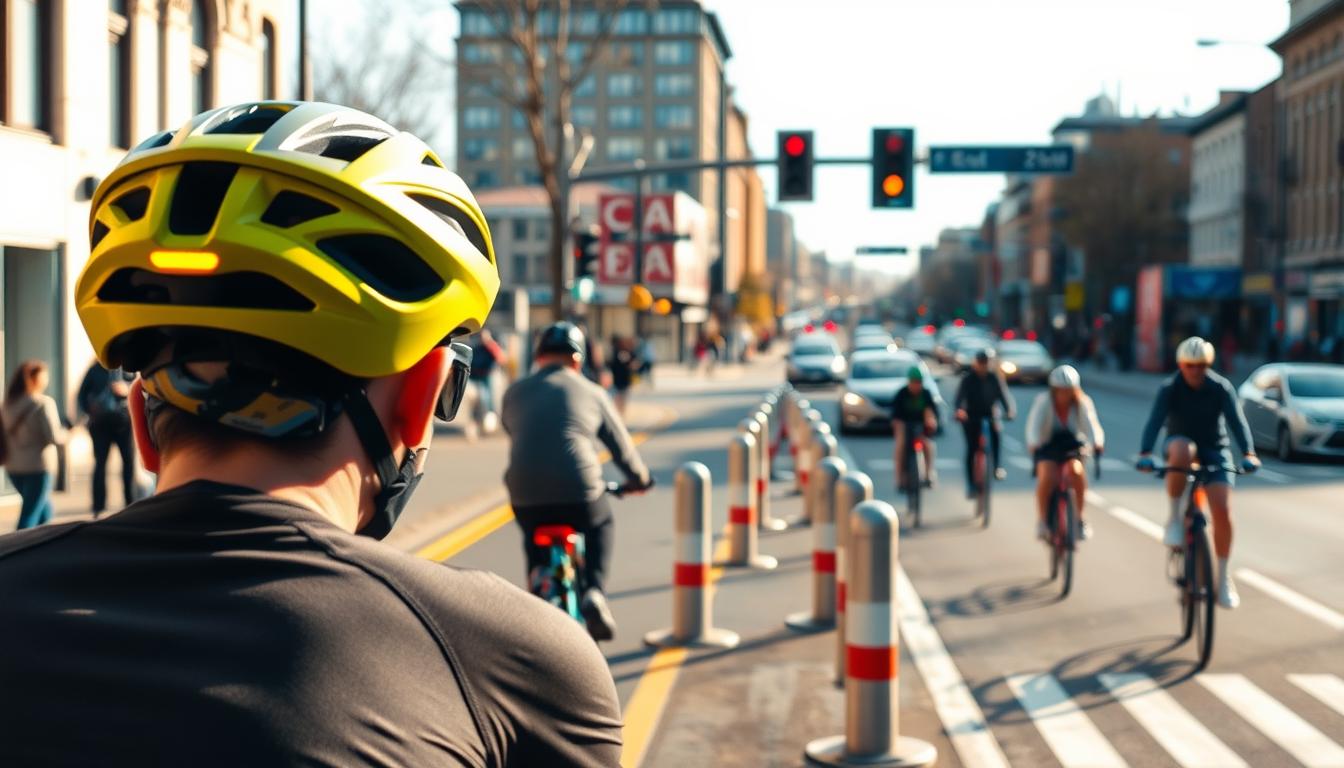
Cycling is a favorite way to get around and have fun in the U.S. But, it also has its dangers. The U.S. Centers for Disease Control and Prevention reports over 130,000 bike injuries each year.
Cycling safety is a big deal for everyone involved. It’s important to know about helmet laws and how to ride safely. This helps lower the number of bike accidents and deaths.
With more bike injuries happening, we need to look into bike safety more closely. We want to share tips and ideas for cyclists, parents, and those who make laws.
The Importance of Bicycle Helmets
Bicycle helmets are key in keeping cyclists safe from head injuries. Studies show helmets cut the risk of serious head injuries by 60% and traumatic brain injury by 53%. This shows how vital helmets are for cyclists.
Using bicycle helmets is the best way to prevent head and brain injuries in bike accidents. Helmets act as a shield, absorbing crash impacts and protecting the head. This makes cycling safer for everyone.
Wearing helmets is not just about personal safety. It also helps create a safer cycling community. When we wear helmets, we encourage others to do the same. This helps make cycling safer for everyone, including kids and new riders.
In summary, bicycle helmets are essential. They greatly reduce the risk of head injuries and traumatic brain injury. As we promote cycling, we must also stress the need for helmets.
Understanding Helmet Standards
Bike helmets vary in quality, and knowing their safety standards is key. It’s important to pick a helmet certified by trusted groups to boost your safety while cycling.
The U.S. Consumer Product Safety Commission (CPSC) is a top group that checks helmets. CPSC certification shows a helmet has passed tough tests and meets safety rules.
Other big names in helmet testing include ASTM, ANSI, and the Snell Foundation. Each has its own set of rules and tests.
ASTM certification checks how well a helmet absorbs impact. ANSI standards look at many safety areas, like impact and strap strength. The Snell Foundation tests helmets very hard, checking for impact and penetration.
When you buy a helmet, look for these certifications to improve your safety. It’s not just about wearing a helmet. It’s about wearing one that’s been tested and proven to protect you in accidents.
Choosing a helmet certified by these groups lets cyclists ride with more confidence. They know they’ve made a big step towards keeping themselves safe.
How to Choose the Right Helmet
Choosing the right helmet is key to staying safe. A helmet that’s too loose or too tight can be unsafe and uncomfortable.
Proper Helmet Fitting is vital for safety. Start by measuring your head to find the right helmet size. The helmet should sit level on your head, not tilted.
The helmet’s straps should form a “V” shape below your ears. Adjust them so they’re snug but not too tight. You should be able to fit one or two fingers between the strap and your chin. This is important for helmet safety.
When choosing a helmet, think about your main type of cycling. Different activities need different helmets. Look for features like ventilation, weight, and extra safety features.
The best helmet is one that fits well, is comfortable, and has safety features. By focusing on these, cyclists can lower their risk of head injury. Always check and adjust the helmet’s fit to keep it safe.
By following these tips, cyclists can find a helmet that’s both safe and comfy. This makes their cycling trips better.
Helmet Habits: When to Wear One
Helmet habits are key to staying safe while cycling. It’s important to know when to wear one. Experts say to always wear a helmet, no matter the speed or where you are. This can greatly lower the chance of head injuries if you crash.
Cycling can happen in many places, from parks to busy city streets. Wearing a helmet is vital, no matter the terrain or traffic. Even on bike paths, there’s a risk of hitting other cyclists, walkers, or cars.
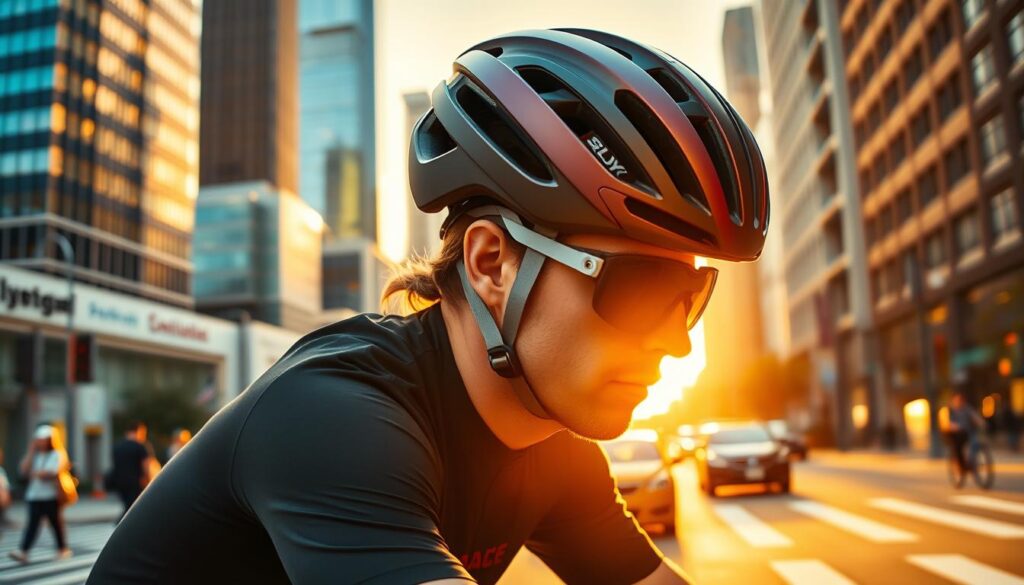
The length and how often you ride also matters. Short trips need helmets just as much as long ones. It’s not just about the distance. It’s about being ready for anything. A helmet can save your life, even on routes you know well.
Wearing a helmet regularly also shows others, like kids, the importance of safety. By always wearing a helmet, you help create a safer community.
The main thing about helmet habits is to be consistent. Making helmet use a regular part of your cycling can make you much safer. So, whether you’re cycling for fun or to get somewhere, always wear a helmet.
Educating Kids on Bike Safety
Bike safety for kids is more than just rules. It’s about teaching them to always be safe. It starts with wearing helmets, and parents should lead by example. Letting kids pick their own helmets makes it fun and personal.
Teaching bike safety for kids means more than just helmets. It’s about showing them why helmets are key. They help prevent head injuries in accidents. Letting kids choose their helmets makes learning more fun.
Teaching helmet use needs patience and consistency. Parents should wear helmets too. This shows that helmets are a normal part of biking.
Explaining why helmets are important is key. It’s not just about rules. It’s about keeping safe. Making children’s cycling safety a family effort helps a lot.
In short, teaching bike safety is complex. It involves setting examples, teaching helmet importance, and making safety a family habit. This way, our kids will bike safely for life.
Maintaining Your Helmet
A well-maintained helmet is your best defense against head injuries while cycling. Regular inspections are key to spot any damage or wear.
Start by checking your helmet for any visible damage after each ride. Look for cracks, dents, or any other signs of wear. If you find damage, it’s best to get a new helmet.
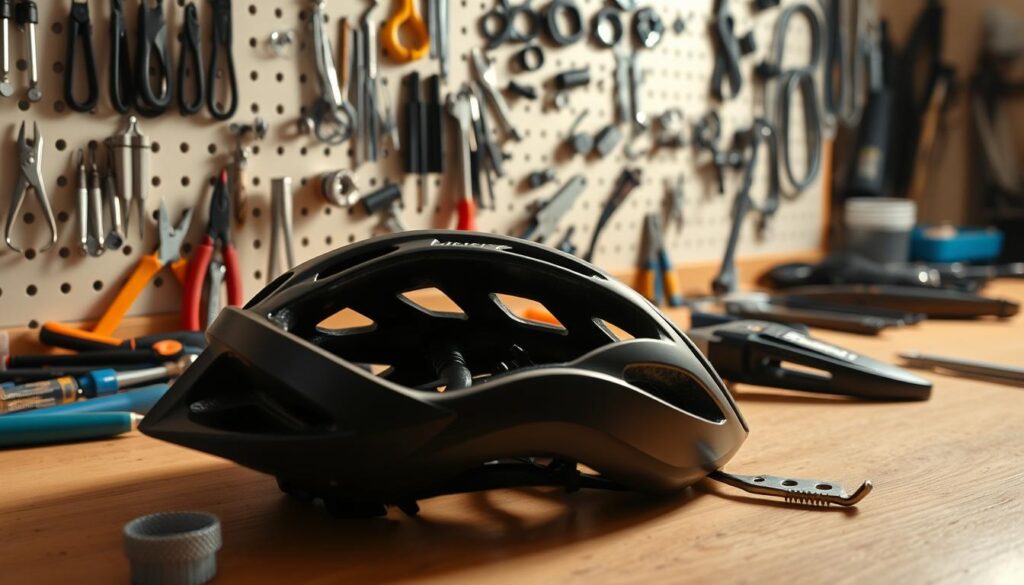
Proper storage is also important for helmet maintenance. Don’t leave your helmet in direct sunlight for too long, as UV rays can harm it. Also, avoid storing it in damp places to prevent mold or mildew.
The CPSC suggests replacing bicycle helmets every five to ten years after buying. Even if it looks good, its protection might decrease over time.
Knowing when to replace your helmet is key to cycling safety. If you crash, even if your helmet looks okay, it’s best to get a new one. The crash might have caused hidden damage.
By following these tips for helmet care and replacement, you keep your helmet safe. Regular checks and proper care boost your cycling safety and give you peace of mind.
The Role of Local Laws in Helmet Use
The rules for wearing bike helmets vary a lot. Each state and city has its own laws. This means cyclists need to know the local helmet laws and state helmet laws in their area.
Following these laws is key for safety. Some places require helmets for young riders, while others for everyone. Knowing these cycling regulations can prevent fines and head injuries.
Safety experts say helmet laws are vital for safe cycling. They help cyclists follow the law and stay safe. Knowing cycling regulations promotes a safe cycling culture.
“The key to effective cycling safety is not just about wearing a helmet, but also about understanding and complying with local laws and regulations.”
Variability in Helmet Laws
Helmet laws change a lot from place to place. This can be hard for cyclists who travel a lot. It’s important to check the helmet laws in each place you plan to ride.
In short, local laws play a big role in helmet use. They affect both following the law and staying safe. By knowing local helmet laws and cycling regulations, cyclists help make cycling safer for everyone.
Alternatives to Traditional Helmets
Traditional helmets are getting a tech boost to keep cyclists safer. MIPS (Multi-Directional Impact Protection System) technology is a big step forward. It helps protect against rotational forces from angled impacts.
The cycling world is always finding new ways to make helmets safer. Cycling safety innovations go beyond MIPS. We see helmets with better air flow, adjustable fits, and strong yet light materials.
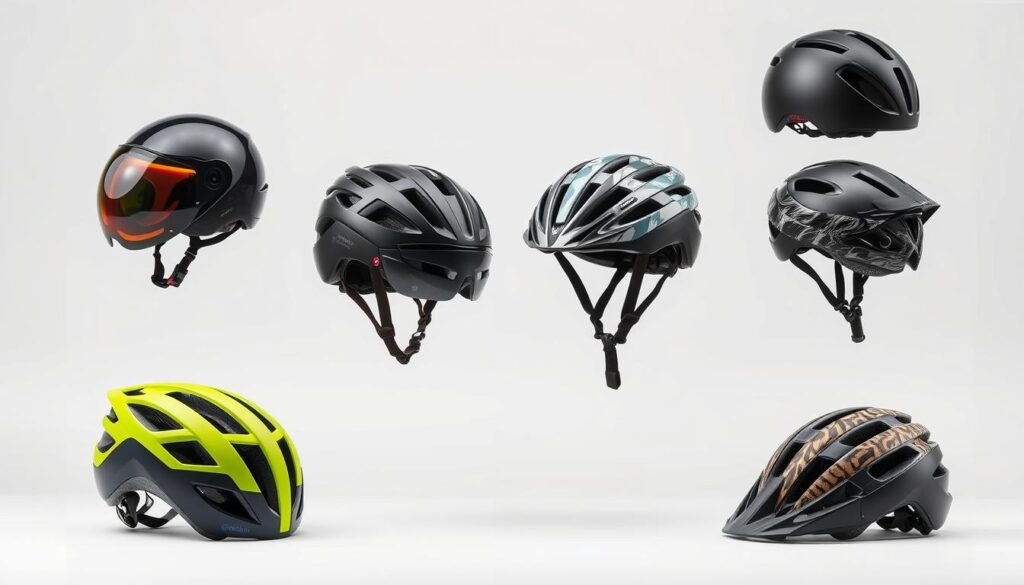
These alternative helmets offer choices for different types of cycling. They’re made to fit various needs, from road to mountain biking. They aim to lower head injury risks and make cycling better.
As people want safer cycling gear, we’ll see more helmet innovations. It’s smart for cyclists to look into these updates. This way, they can pick the helmet that offers the best protection.
Encouraging Others to Wear Helmets
Helmet use is key to cycling safety. We can promote it through community efforts and education. This helps lower the risk of head injuries for cyclists.
Community-based initiatives are effective in promoting helmet use. Local cycling clubs, bike shops, and centers can host events and workshops. For example, a bike shop might offer discounts on helmets during a safety day. A cycling club could organize a helmet-wearing group ride.
Education is also vital in promoting helmet use. Schools and youth groups can teach bike safety. They should teach kids to wear helmets early. This helps them develop good habits and influence others.
Using social norms is another strong strategy. Seeing others wear helmets encourages us to do the same. Social media campaigns can share helmet-wearing images and stories. This helps make helmet use common in the cycling world.
“The more we normalize helmet use, the safer our roads will be for everyone.”
Getting influential cyclists to support helmet use also helps. When leaders wear helmets, it sets a good example for others.
In summary, promoting helmet use needs a mix of community efforts, education, and social norms. By working together, we can make cycling safer for all.
The Psychological Benefit of Wearing Helmets
Helmets do more than protect our heads. They also give us a psychological comfort while cycling. Wearing a helmet makes us feel safer, which boosts our cycling confidence. This feeling of safety is key to enjoying our rides without worry.

The psychological benefits of helmets aren’t just for the rider. When we feel safe, we ride more and for longer. This can help us stay active more often. Plus, feeling secure makes our rides more enjoyable, helping us love cycling even more.
Wearing a helmet also becomes a part of our cycling routine. This habit helps us stay safe and encourages others to do the same. It builds a culture of safety in the cycling world, making helmet use common.
In short, wearing helmets greatly improves our cycling confidence and ride experience. By understanding these benefits, we can enjoy safer and more fun rides.
Conclusion: Commitment to Bike Safety
Bike safety is a big issue that needs a full approach to cut down risks and boost fun. Knowing how important helmets are, following local laws, and cycling safely can greatly lower injury chances.
Being committed to bike safety means more than just wearing a helmet. It’s about following safe cycling habits that protect you and others on the road. Wearing a helmet is key because it greatly lowers the chance of head injury in crashes.
By learning, using the right gear, and sticking to safety rules, cyclists can have a safer and more fun ride. This dedication to bike safety helps create a safer space for all road users.