








As a parent, you want your kids to feel happy about themselves. They should have good self-esteem. Your words and actions play a big role in their confidence from a young age.
Studies show that a child’s self-esteem is greatly influenced by their parents. Creating a positive and supportive environment helps. This way, you can help your child become more resilient and confident.
It’s important to understand the value of positive parenting tips. These tips help in healthy child development. They help your child feel good about themselves.
Understanding Self-Esteem in Children
Understanding self-esteem in children is key for their emotional and psychological growth. Self-esteem is how people see themselves, including their strengths and weaknesses. Children with healthy self-esteem feel confident, believe in themselves, and handle challenges better.
When we talk about self-esteem in kids, we’re talking about their self-perception. A positive self-image helps them form healthy relationships and reach their goals. It’s vital for parents to spot signs of healthy self-esteem in their kids and support it.
Self-esteem is about how we view ourselves. Kids with good self-esteem usually feel positive about themselves, believe in their abilities, and see their strengths. As a parent, recognizing self-esteem’s importance is the first step to helping your child feel good about themselves.
By creating a supportive environment and encouraging positive self-talk, parents can help build their child’s confidence. Remember, every child is unique, and what works for one might not work for another.
Signs Your Child May Struggle with Self-Esteem
As a parent, knowing the signs of low self-esteem in your child is key. Children with low self-esteem may show behaviors that worry you. If you address these early, you can help a lot.
Watching for behavioral signs is important. Kids with self-esteem issues might talk negatively about themselves. They might also make critical comments about their looks.
Behavioral Signs
They might compare themselves poorly to others. They might shy away from social events because they feel not good enough. They could also lack confidence in what they can do.  They might get down easily when things don’t go their way, making their confidence issues worse.
Emotional signs are also telling. Kids with low self-esteem might feel anxious, depressed, or pull back. They might be too hard on themselves and focus on what they think they lack. Spotting these signs early lets parents offer the right support.
By keeping an eye out for child behavior linked to low self-esteem, parents can act fast. They can help their kids feel better about themselves and build confidence.
The Role of Parents in Building Confidence
Building confidence in kids is a big deal for parents. Your parenting style and how you act as a role model matter a lot. You play a big role in shaping your child’s self-esteem and confidence.
One top parenting tip is to show positive behavior yourself. Kids learn by watching, so it’s key to act confident and positive. This helps your child think and act the same way.
When parents model confident behavior, children are more likely to develop confidence themselves.
This shows how vital it is to be apositive role model.
To boost confidence, start by saying positive things about yourself and others when your child is around. This creates a supportive space where your child feels good about growing. By following these parenting tips, you can really help your child build confidence.
Encouraging Positive Self-Talk
Building confidence in kids starts with a positive inner voice. How kids talk to themselves affects their self-esteem and life outlook. Teaching them positive self-talk helps them see the world in a better light.
Using affirmations is a great way to boost positive self-talk. Affirmations are positive sayings that change negative thoughts into confidence. For example, making affirmation bracelets is fun and teaches kids about self-worth. These bracelets remind them of their strengths every day.
Sharing daily affirmations with your child strengthens your bond. Simple phrases like “I am capable,” “I can handle it,” or “I am loved” boost confidence. Making these a part of your daily routine helps kids grow more positive and resilient.
Parents should also practice positive self-talk. Kids learn from what they see. Showing them how to stay positive in tough times teaches them the value of a positive mindset.
By using these methods, parents can help kids develop a positive self-image. This boosts their child confidence and overall happiness.
The Importance of Praise and Encouragement
Effective praise and encouragement are key for parents wanting to boost their child’s motivation and confidence. By recognizing and valuing their efforts, parents can greatly impact their child’s self-esteem and growth.
Praise and encouragement are vital in shaping a child’s mindset. When kids are praised for their hard work, progress, and attitude, they tend to develop a growth mindset. This mindset helps them tackle challenges, keep going when things get tough, and see failures as chances to learn.
For example, instead of just saying “You’re so smart,” a parent could say, “You’re putting a lot of effort into that project, and it’s showing.” This way, they focus on the effort, not just natural talent. Praising progress, like saying “You’re getting better at spelling tests,” motivates kids to keep trying.
It’s also key to be sincere and specific with praise. Generic compliments don’t have the same impact as detailed, genuine encouragement. For instance, “I’m proud of you for practicing piano — you’ve really stuck with it” shows appreciation for their dedication and hard work.
By using effective praise and encouragement every day, parents can create a supportive environment. This environment boosts confidence and motivation in their child. It can also lead to better self-esteem, resilience, and overall well-being.
Fostering Independence and Responsibility
Encouraging independence and responsibility boosts a child’s self-esteem. Giving them tasks helps them feel more in control and skilled. This is good for their growth.
Assigning “special tasks” makes kids feel needed and capable. The word “special” boosts their confidence even more. It makes them feel truly valued.
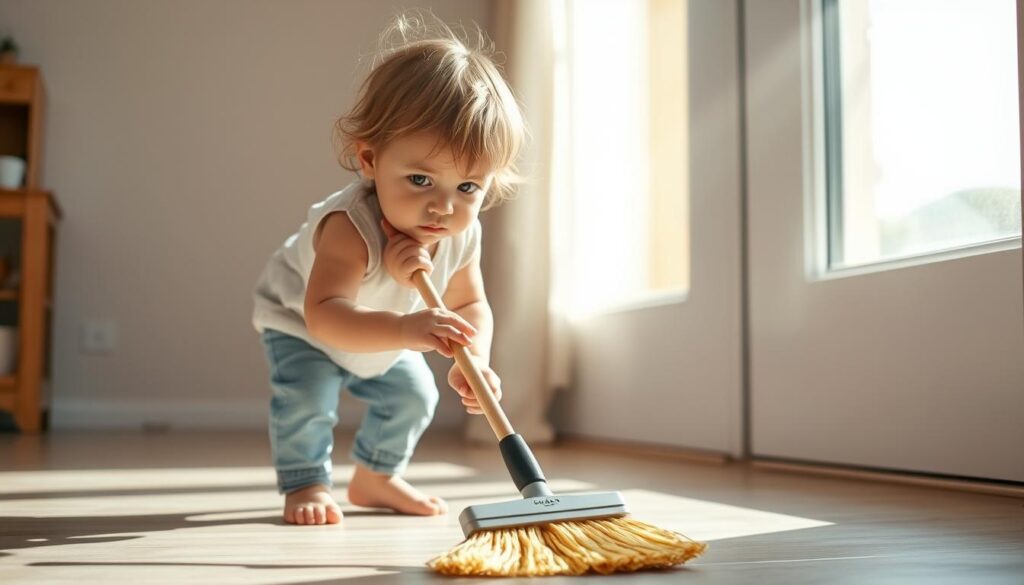
Helping kids become independent means letting them own their actions and choices. Start by giving them more duties and choices. This helps them grow.
As kids get older, their responsibilities should grow too. This builds their confidence and prepares them for adulthood.
By teaching responsibility and independence, parents help their child grow. They become confident and self-assured.
Creating a Supportive Home Environment
The home environment is key in shaping a child’s confidence and well-being. A supportive and nurturing home atmosphere greatly impacts a child’s self-esteem and growth.
One effective way to create a positive home is by celebrating your child’s achievements. Creating a “Wall of Fame” or a special spot in your home to show off their accomplishments can motivate them. Seeing their successes can boost their confidence and push them to do more.
Experts say a positive home environment is vital for healthy growth. “A supportive home is where children feel safe, valued, and encouraged to grow,” a renowned child psychologist notes. This kind of environment helps children feel secure and valued.
To improve the home environment, parents can give their children chances to take on responsibilities and enjoy activities. This builds their confidence and teaches them important life skills. By doing this, parents help their children develop a strong sense of self and a positive outlook.
Cultivating a positive atmosphere at home is more than just celebrating achievements. It’s about building a culture of support, understanding, and encouragement. This way, parents can greatly help their child’s well-being and growth.
The Role of Peer Relationships
Friendships can deeply affect your child’s emotional health and self-confidence. As a parent, knowing how important peer relationships are is key. Good friendships can boost your child’s social skills, emotional smarts, and ability to connect with others.
It’s important to help your child find positive friends. Encourage them to join in activities like sports, clubs, or hobbies. This helps them learn social skills and build strong friendships.
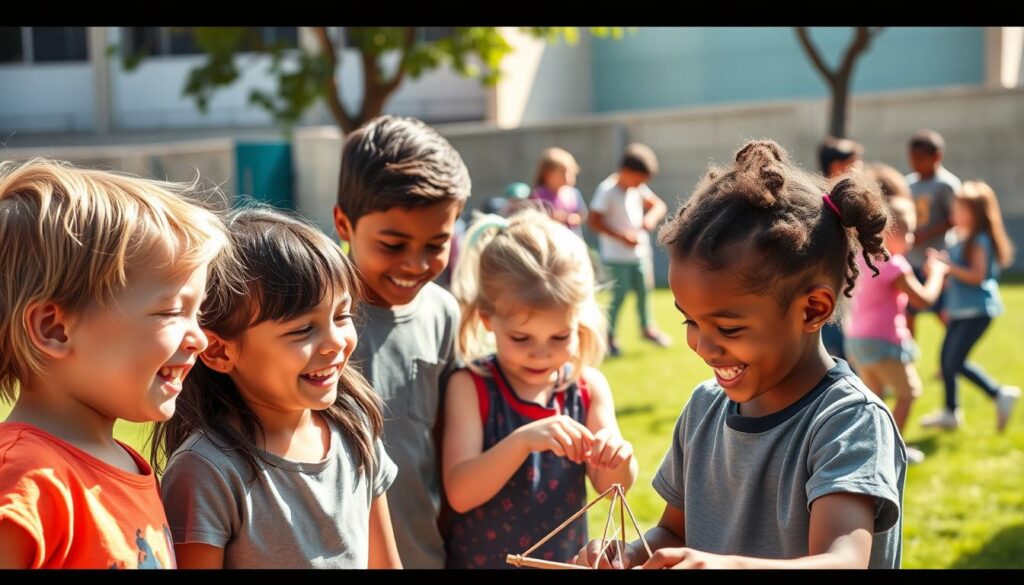
Teach your child that the best friends are those who support and uplift them. They should avoid people who bring others down. This helps your child learn to choose good friends, a key part of child socialization.
You also have a big role in helping your child with friends. Talk to them about their friendships and offer help when needed. This support helps them deal with the ups and downs of friendships, boosting their confidence and self-esteem.
By focusing on positive friendships, you can greatly impact your child’s growth. This can lead to a more confident and resilient child, ready to face life’s challenges.
Engaging in Extracurricular Activities
Extracurricular activities let kids explore their interests and learn new things. They help build confidence, resilience, and a sense of achievement.
Encouraging kids in these activities is very helpful. It lets them find what they love, like sports, music, or art. This boosts their skills and helps them feel part of a team.
When kids join in, they face new challenges and learn to solve problems. They also gain confidence in what they can do. Plus, they make new friends and improve their social skills.
Parents should help kids find activities that match their interests. This keeps them excited and involved. Support and encouragement are vital for kids to get the most from these activities.
In short, extracurricular activities are great for kids. They help build confidence, explore interests, and learn new skills. Parents can greatly support their kids by encouraging them to take part.
Professional Help When Needed
If your child’s self-esteem issues don’t get better, it might be time to get professional help. As a parent, knowing when your child needs more than your support is key.
Talking to their school is a good first step if your child’s self-esteem is a big problem. Schools can connect them with mentors or clubs. Experts say, “Early help is vital for kids with self-esteem issues.”
“The role of educators and mental health professionals is critical in giving the right support.”

Creating a supportive home and talking openly about feelings is important. But sometimes, a counselor or mental health professional is needed. They can offer specific strategies for your child.
Looking for professional help doesn’t mean you’ve failed as a parent. It’s a step to make sure your child gets the help they need. With both your care and professional advice, your child can grow stronger and more confident.
Encouraging Resilience and Coping Skills
Teaching kids to be resilient and develop coping skills is key for their mental health. By showing them that mistakes are okay, we encourage them to take risks. This way, they see failures as chances to grow.
It’s important to model healthy ways to deal with stress and emotions. When kids see their parents or caregivers handle stress well, they’re more likely to do the same. A supportive and caring environment also helps kids build resilience.
By teaching a growth mindset and learning from mistakes, kids develop strong coping skills. This helps their mental health, letting them deal with tough times better. As a result, they become more confident and ready to face life’s challenges.