







Teaching kids about child safety is key for parents. One vital lesson is about Stranger Danger.
As a parent, worrying about your child’s safety is normal. This worry grows when they meet people they don’t know. Explaining Stranger Danger simply can ease these worries. It also helps your child know how to stay safe.
This article will show you how to talk about Stranger Danger with your child. It’s all about keeping them safe and happy. By the end, you’ll know how to have this important talk with your child.
Understanding the Concept of Stranger Danger
The idea of Stranger Danger might seem simple, but it’s actually quite complex. It’s about the risks unknown people can pose to kids. It’s key to teach kids that a stranger is anyone they don’t know, not just those who look scary.
Experts say kids should be careful around all strangers, no matter how they look. This isn’t about teaching fear. It’s about teaching kids to be smart and cautious. Stranger safety helps kids make good choices when they meet people they don’t know.
Teaching kids about Stranger Danger is more than just warning them. It’s about teaching them to be safe in their world. This means knowing when to talk to strangers and when not to.
By learning about Stranger Danger, parents can help keep their kids safe. It’s a big part of child safety that needs constant talk and learning.
Teaching Children About Stranger Danger
Teaching kids about stranger danger is key to keeping them safe. It’s important to talk to them in a way they can understand. This helps them know what to do if they meet a stranger.
Experts say to start these talks early. Use words and ideas that fit their age and what they can understand. This helps them learn safety rules and feel more confident around strangers.
Talking to Preschoolers About Strangers
When talking to preschoolers, use simple words they can grasp. Explain that a stranger is someone they don’t know. Tell them it’s not safe to go anywhere with a stranger or take anything from them.
“Never go anywhere with someone you don’t know, even if they seem friendly.” This rule is very important for preschoolers. It helps them understand the basics of stranger danger.
“The key to keeping children safe is to empower them with the knowledge and skills they need to make safe decisions.”
This shows how vital it is to teach kids about stranger danger. It gives them the tools to stay safe.
By talking openly with your child, you help them build a strong safety awareness. This also boosts their confidence when they meet strangers.
Identifying Strangers: Who Should We Be Wary Of?
Not every stranger is a danger, but it’s important to know who to trust. This is key for child safety.
Teaching kids to spot safe strangers is a delicate task. It’s important to tell them most strangers are not a threat. But, they should always be careful.
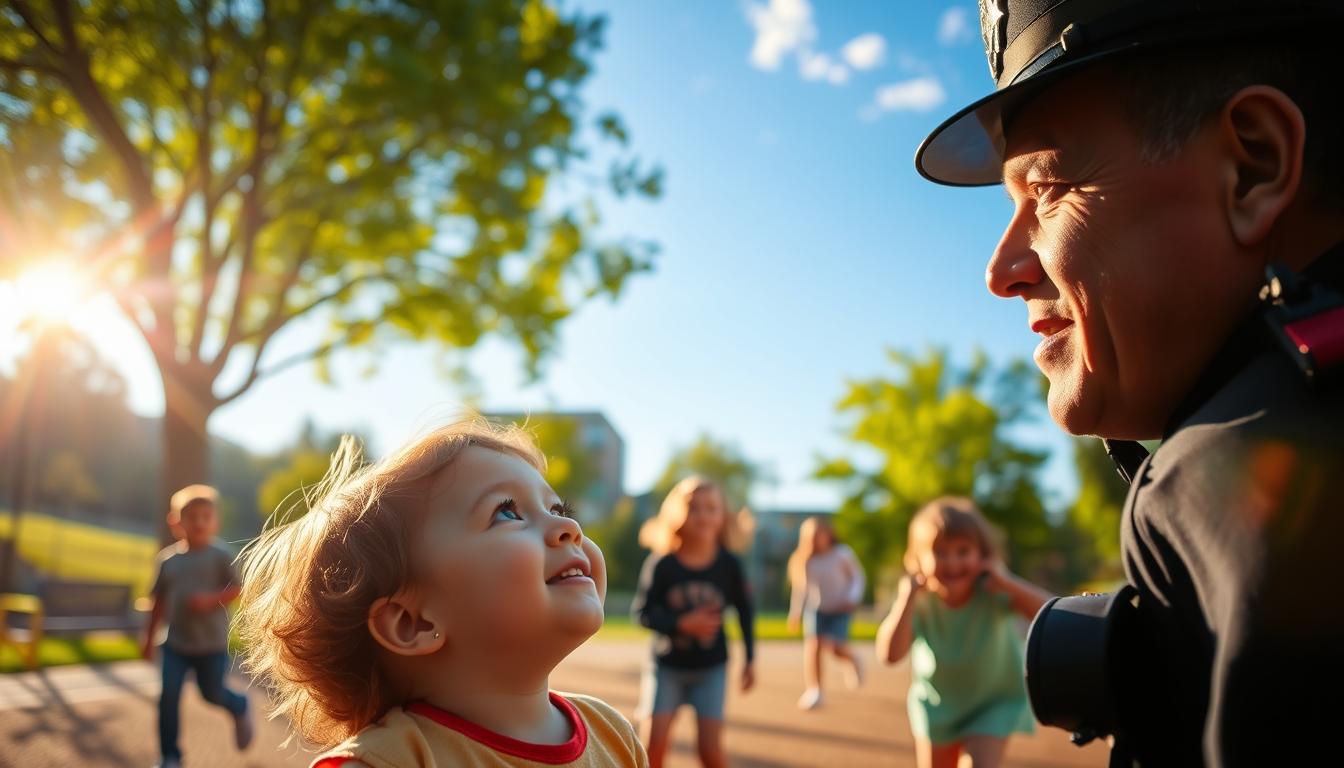
Authority figures like police, teachers, and school staff are safe strangers. Kids should know these people are there to help and protect them.
When identifying strangers, kids should look for uniforms or badges. A police officer in uniform is someone they can trust and ask for help.
It’s also good to practice different scenarios with kids. This helps them feel confident in making safe choices. They should know how to react to a stranger and find a trusted adult.
By teaching kids to identify safe strangers and the importance of child safety, we help them feel safer. This way, they can move through their world more securely.
The Role of Parents and Guardians
As a parent or guardian, setting clear boundaries is key for your child’s safety. Rules and guidelines help kids know what’s expected when they meet strangers. Clear communication is vital to make sure kids feel safe and can handle dangerous situations.
Parents and guardians are very important in teaching kids about Stranger Danger. By teaching kids how to spot and avoid threats, parents can lower the risk of their child being harmed. It’s important to talk about safety rules often and make sure kids understand why they’re important.
Setting boundaries means more than just telling kids what not to do. It’s about creating a safe space where kids feel okay asking questions or sharing concerns. Encouraging open dialogue builds trust and helps kids follow safety rules.
Guardians should practice different safety scenarios with their kids. This makes learning about safety fun and effective. By getting kids involved in setting rules, parents empower them to make safer choices.
The role of parents and guardians in teaching about Stranger Danger is complex. It includes setting clear rules, promoting open talk, and practicing safety scenarios. By doing these things, parents help their kids develop the skills and confidence to stay safe.
Making Safe Decisions: Empowering Children
Teaching children about safety is key. It’s important to teach them to make safe decisions when they meet strangers. This means learning to trust their instincts and know how to react.
Children should learn to listen to their gut feelings. If they feel scared or something doesn’t feel right, they should stay away or leave. Role-playing can help them get better at noticing their surroundings and making safe choices.
It’s also important to talk openly with kids about trusting their instincts. This helps them develop good judgment and the courage to follow their gut. It makes them safer and more confident in different situations.
Teaching kids to spot and avoid danger is also key. They need to know the difference between safe and unsafe interactions with strangers. They should also know how to ask for help when they need it.
By teaching kids to make safe choices, we can protect them from harm. This approach not only keeps them safe but also builds their confidence and security every day.
Building Confidence in Children
Teaching children about stranger danger is key to keeping them safe. When kids feel confident, they make better choices and avoid danger. This is important for their safety.
Role-playing is a great way to build confidence in kids. It lets them practice handling different situations with strangers. This way, they learn to trust their own decisions.
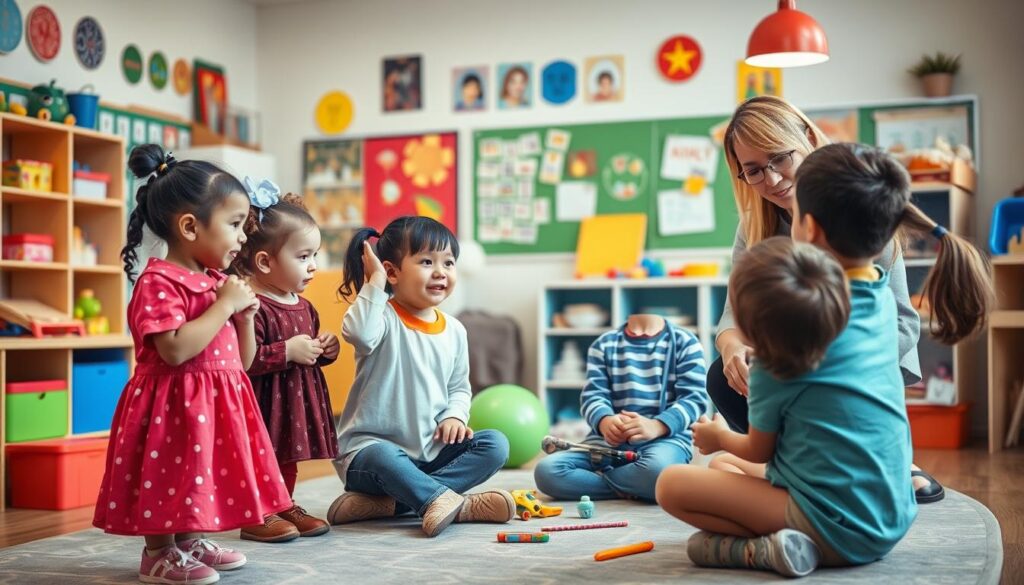
Role-playing helps kids know how to act in different situations. They learn to say “no” to strangers and when to ask for help. This practice boosts their confidence and keeps them safe.
But role-playing isn’t the only way to build confidence. Kids also gain confidence by doing different activities, getting praise, and feeling positive. These things help them feel good about themselves.
By teaching child safety and using role-playing, parents can help kids feel confident. This confidence helps them deal with tricky situations safely.
Safety Strategies for Different Scenarios
Children need to know safety strategies for different stranger-related situations. They should learn how to react to strangers, stay safe in public, and handle emergencies.
Teaching children about stranger danger is key. They should not talk to strangers, not take anything from them, and not go anywhere with someone they don’t know.
Children should stay calm and follow safety rules in various situations. For example, in crowded places, they should stay close to their parents. If a stranger approaches, they should say “no” and walk away.
Handling Common Stranger-Related Situations
Children might face situations like being approached by a stranger or being offered something. They should be cautious and seek help from a trusted adult.
By teaching these safety strategies, parents can help children stay safe. It’s also important to have ongoing conversations about child safety and to remind them often.
Resources for Parents: Tools and Materials
Parents looking to teach their kids about Stranger Danger have many tools and materials to help. These resources make learning about safety and stranger interactions easier. It’s a key skill for kids to know.
Recommended Books
There are many children’s books that tackle Stranger Danger in a fun and clear way. Some top picks include:
- “My Two Blankets” by Irena Kobald, which teaches kids about feeling safe and secure.
- “Officer Buckle and Gloria” by Peggy Rathmann, a story that shows the value of safety rules and knowing strangers.
- “The Tale of the Terrible Teeth” by Chris Van Allsburg, a fun story to talk about safety with kids.
Websites and Online Resources
There are also many websites and online platforms with lots of info and tools for teaching Stranger Danger. Some great sites include:
- The Safe Kids Worldwide website, with safety tips and resources for parents and kids.
- The FBI’s official website, which has a child safety section with safety tips for kids.
Other Materials and Activities
There are more than just books and websites to help teach Stranger Danger. Other materials and activities include:
- Safety workbooks and activity sheets to keep kids engaged in learning about safety.
- Role-playing exercises, a great way to practice safety scenarios in a safe setting.

Using these resources, parents can teach their kids about Stranger Danger. This helps kids make safe choices and feel confident in the world.
What to Do After a Scary Encounter
A scary encounter can really upset kids. It’s important to know how to help them feel safe and okay again. Giving them immediate support and reassurance is key.
Many experts agree that helping kids after a scary event is vital. Parents and guardians should listen to their child without judging them. Let them share their feelings and worries.
It’s also vital to validate their feelings. Tell them it’s okay to feel scared because their experience was scary. This helps build trust and aids in their emotional healing.
Keeping a routine can also help kids feel secure and normal again. A stable and loving home environment is essential for their recovery.
If a child keeps showing signs of distress, getting professional help is a good idea. Experts can provide specific guidance and support that meets the child’s needs.
The Importance of Community Involvement
Community involvement is key in keeping kids safe from strangers. When we all work together, we make a safer place for children to grow. This helps them thrive in a secure environment.
By starting child safety programs, we teach kids and adults how to stay safe. Neighborhood watches, safety classes, and awareness campaigns help everyone stay alert. They build a culture of safety and teamwork.
Local groups, schools, and police can team up to help families. Together, they offer support and resources. This helps prevent dangers and keeps kids safe.
Keeping kids safe needs everyone’s help. By joining forces, we can make a safer, more supportive place for children to grow and succeed.