







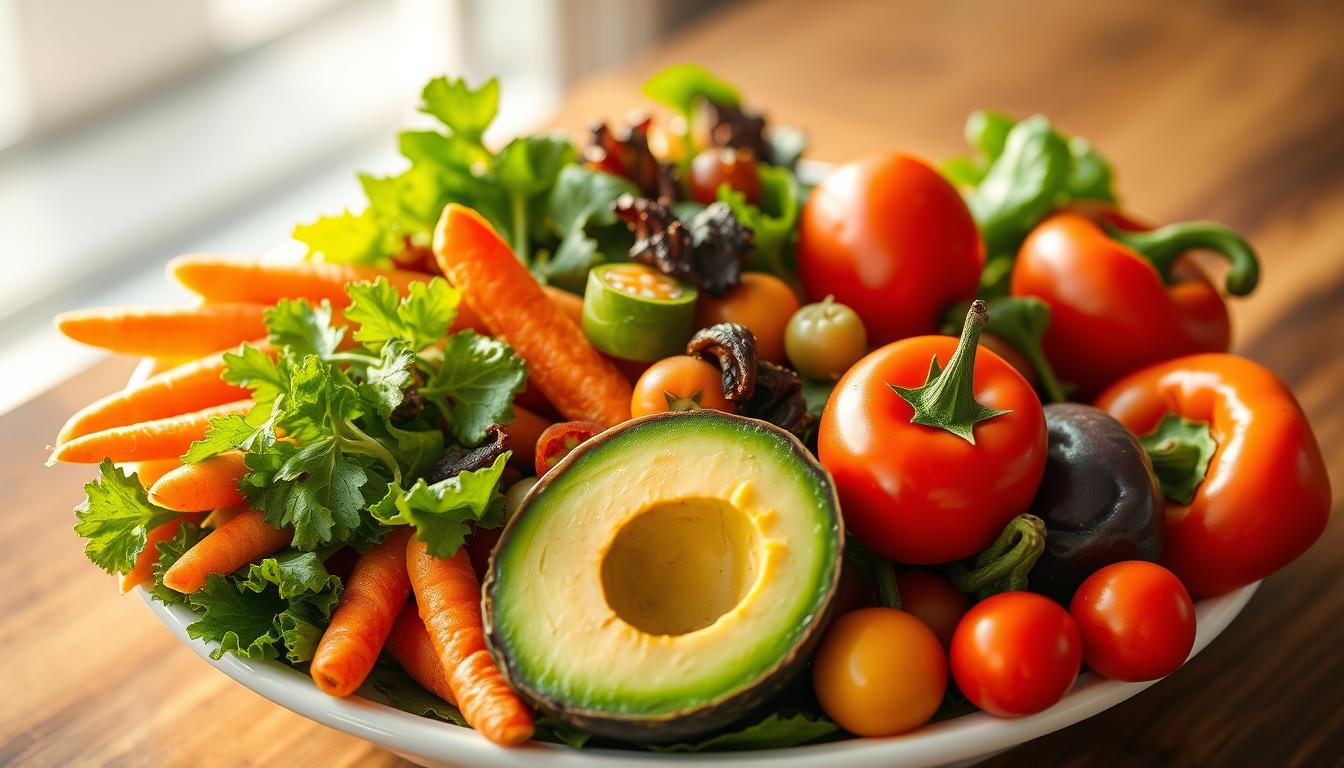
Eating a balanced diet is key for good health. A simple way to do this is by filling half your plate with veggies at every meal. The USDA says eating more fruits and veggies can give you important nutrients. It can also help prevent chronic diseases.
It’s easy to follow this advice with the right tips. By trying out different vegetable recipes, you can make sure you get the nutrients you need. Healthy eating is more than just a diet. It’s a lifestyle that boosts your overall well-being and nutrition.
Changing your eating habits a bit can greatly improve your health. Begin by finding new ways to add veggies to your meals. Discover the advantages of healthy eating for yourself.
The Importance of Including Vegetables in Your Diet
Vegetables are essential in our diet because they are full of vitamins, minerals, and fiber. They are key to a healthy eating plan. They offer manyhealth benefits that improve our overall health.
Vegetables are rich in vitamins A, C, and K, and minerals like potassium and manganese. They also have a lot of dietary fiber, which is good for our digestive system. Eating vegetables can lower the risk of heart disease, obesity, and some cancers. This is because they have many nutrients and plant compounds.
It’s easy to add vegetables to your meals. Start by adding a serving of vegetables to each meal. You can pick from many types, like leafy greens, cruciferous veggies, and root veggies. Each type has its own nutrients, so it’s good to mix them up.
By making vegetables a big part of your diet, you’re moving towards a healthier life. They are packed with nutrients and can help prevent chronic diseases. So, vegetables are a must-have for a balanced diet.
Choosing Fresh Vegetables: What to Look For
To get the most from your veggies, knowing what to look for is key. Fresh vegetables are not only healthier but also taste better and feel nicer in your mouth.
When picking fresh vegetables, look for a few quality indicators. First, check for bright colors. Avoid veggies that look wilted or have odd colors. For greens, if they’re crisp, they’re fresh.
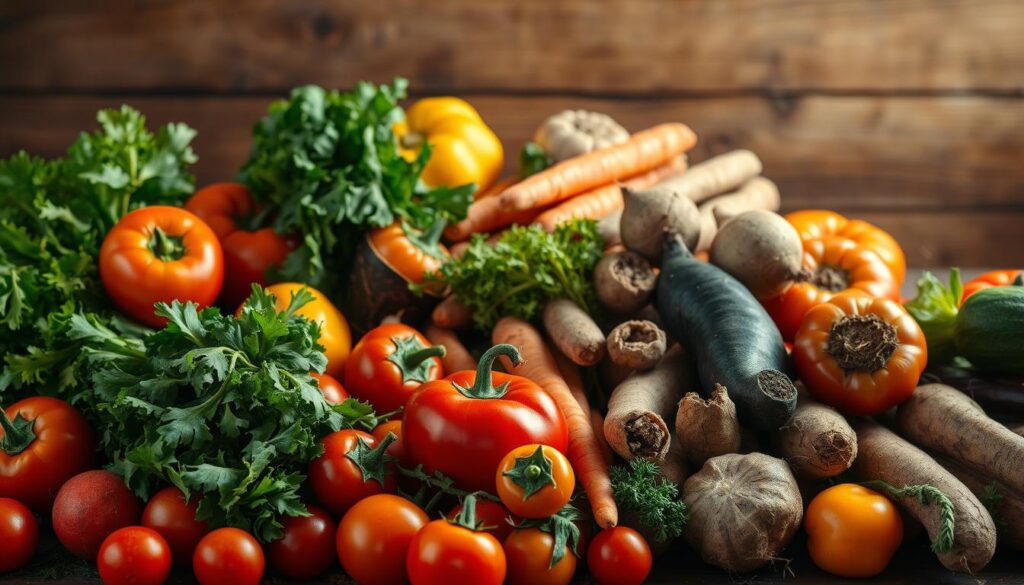
Seasonal produce is often fresher because it’s picked at its best and travels less. This boosts flavor and quality. Knowing what’s in season helps you choose better at the store or market.
Texture is also important. Carrots should be hard, and cucumbers should be firm but not too hard. Soft spots or decay mean the veggie is old.
By focusing on these quality indicators and choosing seasonal produce, you’ll improve your meals. Whether it’s a simple salad or a big dish, using the best ingredients makes a big difference.
Creative Ways to Incorporate More Vegetables
Making your diet more vegetable-rich is easy with a bit of creativity in the kitchen. A few innovative ideas can turn veggies into a key part of your meals.
One simple way to eat more veggies is to add them to dishes you already love. For example, blend veggies into sauces like tomato sauce or pesto. This makes your meal planning more nutritious with vegetable recipes.
Adding Vegetables to Familiar Dishes
Vegetables can be baked into frittatas and casseroles, adding flavor and nutrients. You can also chop veggies finely and mix them into burgers and meatloafs. Try spiralizing or ricing veggies like zucchini or cauliflower for a fun twist on classics.
Healthy eating tips say small meal changes can make a big difference. Adding more veggies to your diet boosts nutrition and introduces new flavors and textures.
Try different cooking methods and recipes to keep your diet exciting and varied. Whether you’re aiming to better your meal planning or just want to eat healthier, adding more veggies is a great start.
Popular Cooking Methods for Vegetables
Learning how to cook vegetables right is key to making them tasty. Different ways to cook can make veggies more flavorful and nutritious. This makes them a great addition to any meal.
Steaming is a favorite because it keeps veggies’ nutrients. It cooks them gently over boiling water. This method keeps their color, texture, and vitamins intact. It’s perfect for broccoli, carrots, and green beans.
Roasting brings out veggies’ natural sweetness. It cooks them in the oven with oil, salt, and sometimes spices. Roasting makes Brussels sprouts, sweet potatoes, and cauliflower crispy on the outside and soft inside.
Sautéing quickly cooks veggies in a pan with a bit of oil. It’s great for keeping veggies crunchy and colorful. Bell peppers, spinach, and mushrooms are perfect for sautéing. It’s a quick and tasty way to add veggies to your meals.
Knowing how to prepare veggies is also important. You need to wash, peel, and chop them right. This ensures they cook evenly and are safe to eat. Good vegetable preparation greatly improves your dishes.
By getting good at these cooking methods, veggies can become a highlight of your meals. Whether you want to keep nutrients, boost flavor, or add variety, there’s a method for you.
Family-Friendly Vegetable Dishes
Family mealtime just got healthier with these tasty veggie recipes. Adding veggies to meals can be fun for kids. “The key to getting kids to eat vegetables is to make them tasty and fun,” says a renowned nutritionist.
Kid-Approved Vegetable Recipes
One easy way to get kids to eat more veggies is to add them to dishes they love. For instance, veggie-packed pasta sauces are a hit. They can be made with carrots, zucchini, and bell peppers.
Another kid-approved recipe is hidden veggie meatballs. Finely chop onions, mushrooms, and spinach, then mix them into the meatball mix. This boosts the nutritional value of a family favorite.
Other family-friendly recipes include roasted vegetable quesadillas. They have sautéed veggies wrapped in tortillas with cheese. Also, vegetable-packed soups are comforting and nutritious.
“Sneaking veggies into meals is a great way to ensure kids are getting the nutrients they need without the fuss,” notes a parenting expert.
By making veggies fun and part of family meals, parents can teach kids healthy eating habits. These habits will last a lifetime.
Top 10 Vegetables You Should Always Have
A healthy pantry needs a variety of staple vegetables for many dishes. These veggies are versatile and full of nutrients, key for a balanced diet. As nutrition experts say,
“Eating a variety of colorful vegetables is one of the simplest ways to ensure you’re getting a broad range of nutrients.”
The top10 vegetables to always have include carrots, broccoli, spinach, bell peppers, onions, mushrooms, tomatoes, cucumbers, zucchini, and leafy greens like kale.
Carrots are full of vitamin A, good for your eyes, and can be eaten raw or cooked. Broccoli, a cruciferous veggie, is rich in vitamins C and K and high in fiber. Spinach is loaded with iron and can be added to smoothies, salads, or sautéed as a side.
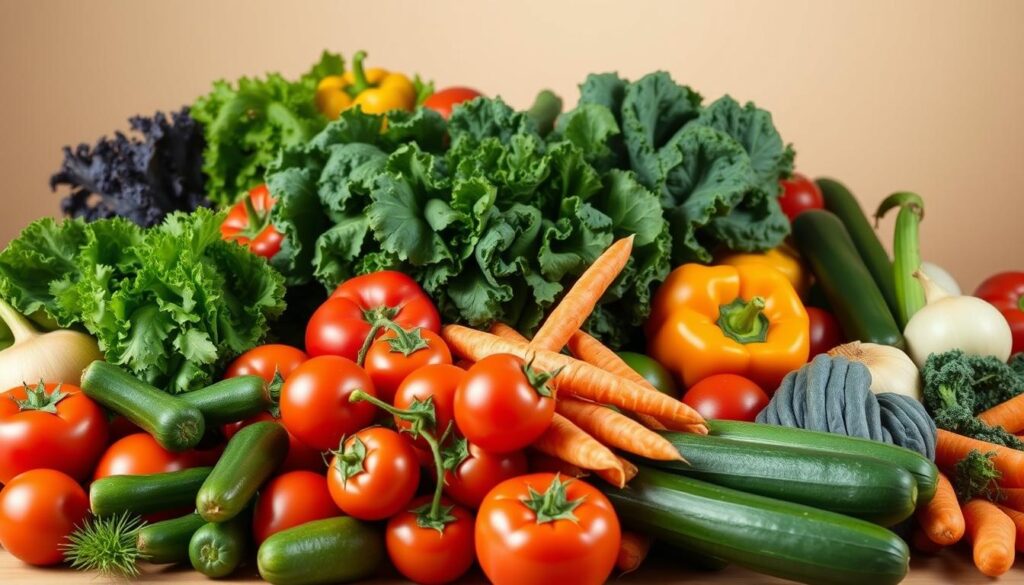
Having these staple vegetables inspires kitchen creativity. For example, bell peppers are great in stir-fries, and mushrooms enhance soups and sauces. The goal is to have a mix of veggies for daily meals.
By stocking your pantry with these essential items, you’ll keep a healthy pantry that supports your diet goals.
Plant-Based Diets and Vegetables
Vegetables are key in plant-based diets, adding nutrition and variety. They are the heart of vegan and vegetarian diets. They fill gaps in essential nutrients.
A vegetarian or vegan diet can be both healthy and tasty. Vegetables are at the center, providing a range of nutrients. This includes vitamins, minerals, antioxidants, and fiber.
Adding a variety of vegetables to your meals is easy and fun. You can choose from leafy greens like spinach and kale to colorful bell peppers and tomatoes. Trying different cooking methods can make vegetables even more enjoyable.
Choosing whole, nutrient-rich vegetables supports a balanced diet. This not only boosts personal health but also helps the environment.
The Rise of Farmers’ Markets
As people want to know more about their food, farmers’ markets are booming. These places let you buy fresh, local produce straight from the farmers.
Shopping at farmers’ markets has many perks. You get to enjoy seasonal shopping and support local farmers. This helps keep local farming alive and promotes green farming.
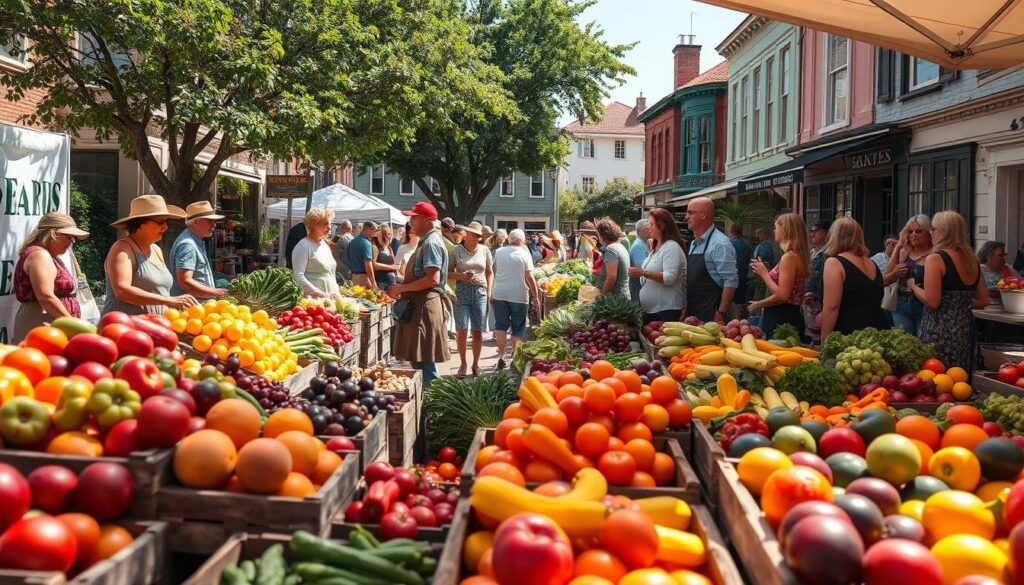
Farmers’ markets are also community spots. Here, people meet local farmers, learn about new foods, and feel part of a community. Talking to farmers helps you know where your food comes from.
By shopping at farmers’ markets, you improve your health with fresh, local produce. You also help your community thrive. The growth of farmers’ markets is good for everyone, supporting local economies and healthy eating.
Tips for Storing Vegetables Properly
“A little planning and the right storage techniques can go a long way in keeping your vegetables fresh,” is a mantra many home cooks should adopt. Proper storage can significantly extend the freshness of vegetables. Techniques like refrigeration and proper handling can reduce food waste.
To start, it’s essential to understand that different vegetables have different storage needs. For instance, root vegetables like carrots and beets should be stored in a cool, dark place. On the other hand, leafy greens like spinach and kale are best kept in the refrigerator.
One of the most effective ways to keep vegetables fresh is to store them in the right containers. For example, using breathable bags or containers can help maintain the humidity. This prevents moisture from building up, which can lead to spoilage. Also, keep vegetables away from strong-smelling foods. Vegetables can absorb odors easily.
Another tip is to not wash vegetables before storing them. Excess moisture can lead to mold and spoilage. Instead, gently brush off any dirt, and store them in a dry state. When you’re ready to use them, wash them just before preparation.
“The way we store our food can have a significant impact on the environment, and reducing food waste is one of the simplest ways to reduce our carbon footprint.”
By implementing these simple storage tips, you can enjoy your vegetables for a longer period. This helps reduce food waste. Whether you’re a seasoned cook or just starting to explore the world of vegetables, proper storage is key. It makes the most of your produce.
The Role of Vegetables in Sustainable Eating
Vegetables are not just good for us, but also for the planet. How we grow, move, and eat vegetables affects the environment a lot.
Choosing local and seasonal veggies can really help the planet. It helps farmers nearby and cuts down on carbon from transport and storage.
Key Strategies for Sustainable Vegetable Consumption:
1. Pick seasonal and local veggies to cut down on emissions.
2. Plan meals and make shopping lists to avoid waste.
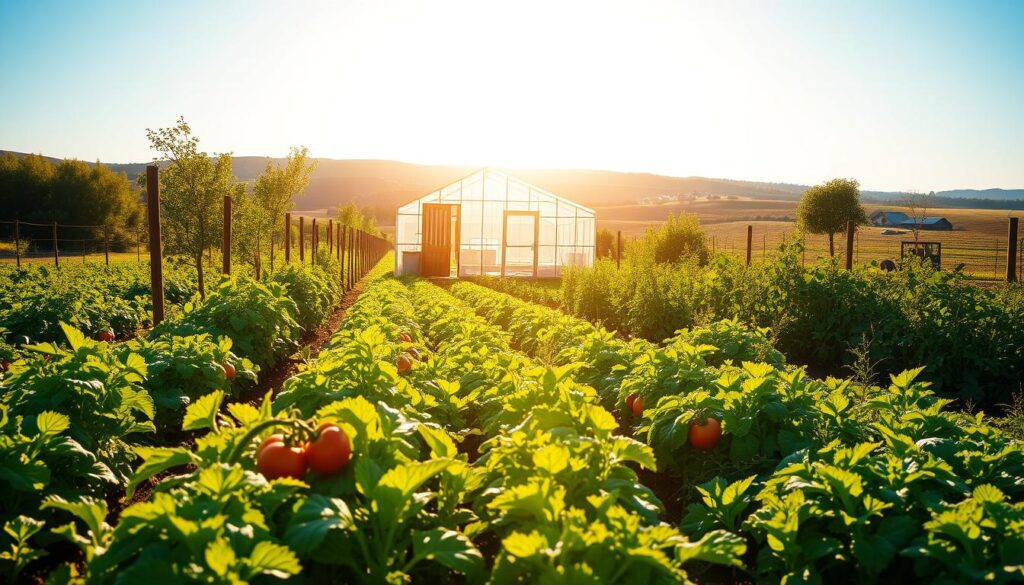
By picking the right veggies, we help our food system be better. This is good for us and the planet.
“Sustainable eating is about more than just food; it’s about the future of our planet.”
Exploring International Vegetable Dishes
International vegetable dishes open a door to different cultures. They range from spicy stir-fries in Asia to hearty stews in Europe. These dishes are a key part of many cuisines worldwide.
Discovering new vegetable recipes is a highlight of global cuisine. Japanese tempura makes vegetables sweet. Indian cuisine uses spices to create deep, tasty curries.
Greek salads and Middle Eastern stuffed bell peppers are just the start. International recipes offer endless ideas for home cooks. They add variety and nutrition to your meals.
Trying international vegetable dishes expands your cooking knowledge. It introduces you to new techniques and flavors. So, embark on a culinary adventure, exploring one dish at a time.
Gardening: Grow Your Own Vegetables
Growing your own vegetables is rewarding. It gives you fresh produce right in your backyard. Start by picking a spot that gets enough sunlight and drains well. Most veggies need at least six hours of direct sunlight daily.
Preparation is essential in gardening. Test your soil to know its pH level and nutrient content. Based on the test, add amendments to make the soil fertile. Choose varieties that fit your climate and the planting season.
Keeping your garden healthy means regular watering, weeding, and pest checks. Organic gardening methods reduce environmental harm. As you get better, try new techniques and grow more.
Growing your own veggies means fresh produce at your door. It also helps the planet. Gardening is a fulfilling hobby that connects you with nature and promotes healthy eating.