








Teaching kids to understand and share their feelings is key to their growth. It’s important to start early, even in infancy. This helps parents build a strong base for healthy emotional development in their children.
When we recognize and accept a child’s feelings, we give them emotional support. This support helps them deal with their emotions and learn important life skills. It’s important to keep creating a safe space for them to share their feelings as they grow.
Introducing the idea of feelings early helps kids understand themselves and others better. This foundation is essential for building lasting, positive relationships in their lives.
Understanding Emotional Support for Children
As parents, it’s key to support our kids emotionally. We need to understand their emotional needs well. Emotional support includes parenting strategies that help kids manage their feelings. This is important for their well-being and growth.
Children feel many emotions, like joy, fear, and sadness. It’s important to know these feelings are normal. By accepting and validating their emotions, we create a safe space for them to grow emotionally.
Being there for your child is a big part of emotional support. This means paying attention to their feelings, comforting them when needed, and celebrating their wins. This helps kids feel good about themselves and learn to control their emotions.
Emotional regulation is a skill kids need to handle their feelings. Parents can show them how to manage emotions by being open about their own feelings. Teaching kids to calm down, like through deep breathing, is also helpful.
By using the right parenting strategies, we can help our kids face life’s ups and downs with strength and confidence.
Recognizing Your Child’s Emotions
Knowing your child’s emotions is key to helping them grow emotionally. Kids show feelings in many ways. It’s important for parents to notice these signs to support them well.
Kids’ feelings are real and important to them. But, their emotions can be strong and hard for adults to get. Managing child emotions well means being attentive and understanding.

Children might not always say why they feel a certain way. It’s vital to know their feelings are valid, even if we don’t get why. This helps kids learn about emotional intelligence and better emotional health.
Creating a safe space for kids to share their feelings is important. This means being patient, understanding, and supportive. When kids feel heard and understood, they learn to manage their emotions better.
Start by watching your child’s behavior and reactions. Do they get frustrated, pull back, or act out? These signs can show emotional issues. Spotting these early helps address the problems and support their emotional needs.
Talking openly and honestly with your child is also key. Ask them about their feelings and really listen to what they say. This helps you understand their emotions and strengthens your relationship.
In short, knowing and understanding your child’s emotions is essential for their emotional growth. By being aware of their feelings and why they feel that way, parents can offer the right support. This helps promote a positive child emotional well-being.
Creating an Open Communication Environment
Talking openly about feelings is key for healthy emotional expression. It’s important to discuss feelings often with kids. This helps them understand and share their emotions better.
Parents can start by making feelings talks a daily habit. For example, during dinner or before bed, ask about their day. Focus on how they felt. This helps kids think about their feelings and learn to share them.
Using real-life moments is a great parenting tip. When a child is upset or happy, talk about it. For example, if they’re crying after falling, say, “You’re feeling really upset right now, aren’t you?” This shows they’re heard and understood.
Sharing your own feelings also helps kids. When parents open up, it shows kids it’s okay to express emotions. For instance, saying, “I’m feeling a bit frustrated today because of work,” teaches them it’s normal to feel and share feelings.
By doing these things, parents can help their child feel comfortable talking about their feelings. It’s about being consistent, patient, and really listening to your child. This way, they learn to express themselves in a healthy way.
Using Play as a Tool for Expression
Play lets kids explore and show their feelings in a good way. It’s a natural and safe way for them to express complex emotions.
Using puppets and dolls is a great way to help kids share their feelings. It lets them act out different situations, helping them understand their emotions better.
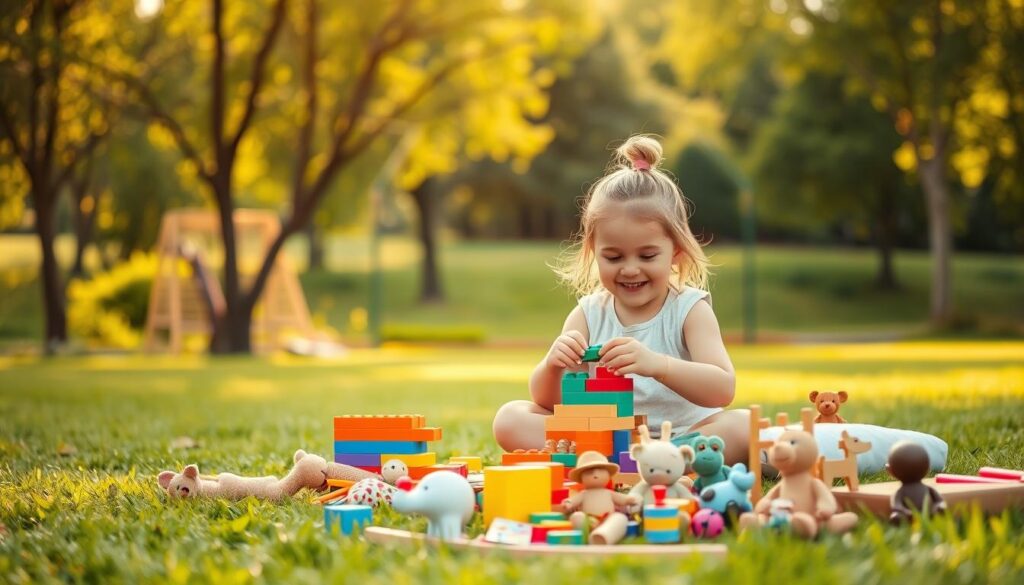
Storytelling is also very effective. Pausing while reading a story to talk about the characters’ feelings helps kids connect with the story. It also helps them understand their own feelings.
Adding play to daily life helps kids grow emotionally. It supports child development and helps them express emotions in a healthy way. This also strengthens the bond between the child and the adult, creating a supportive space for emotional growth.
Encouraging Healthy Emotional Outlets
Teaching kids to handle and share their feelings is key. Healthy emotional expression is vital for their growth and happiness.
One great way to help kids express feelings is through creative activities. For example, listening to songs about different emotions can be fun. It helps them learn to identify and share their feelings.
Art, like drawing, is another good way for kids to express their feelings. It helps them develop child emotional well-being. It’s important to make sure they feel safe sharing their feelings without being judged.
By supporting and encouraging healthy ways to express emotions, parents play a big role. They help their kids grow emotionally and stay happy.
Teaching Emotional Vocabulary
Teaching your child about emotions gives them the power to handle their feelings well. It’s key for them to know and say how they feel.
When your child shows an emotion, label it for them. For example, if they’re crying, say, “You seem really upset right now. It looks like you’re feeling sad.” This helps them link their feelings to the right words.
Talking about emotions helps kids learn the right words for their feelings. It also helps them understand emotional support better. This way, you’re teaching them important parenting strategies for emotional intelligence.
Tips for Enhancing Emotional Vocabulary
1. Read Together: Reading books with different emotions can introduce new words. Talk about the characters’ feelings and see if your child has similar ones.
2. Emotion Charades: Act out different emotions and have your child guess them. This game makes learning fun and interactive.
3. Feeling Journal: Encourage your child to write or draw about their feelings in a journal. This helps them think about their emotions and learn more words.
Using these strategies daily helps your child understand and manage their emotions. It boosts their emotional support and gives them parenting strategies for life.
Role of Parents in Emotional Support
Parents play a huge role in emotional support. They act as emotion coaches for their kids. This helps kids deal with the complex world of emotions.
Children’s brains are not fully developed. Their prefrontal cortex, which controls emotions, is immature. This means kids need their parents to help manage their feelings and build emotional strength.
Parents can help by using parenting tips like active listening and validating feelings. This creates a supportive space. It lets kids feel safe to share their emotions, helping them develop good emotional regulation.
“The way we talk to our children becomes the way they talk to themselves.” – Karen McCallum
Parents can teach kids how to handle emotions by showing them how it’s done. This is key for facing life’s ups and downs with strength and confidence.
In short, parents have a big impact on their child’s emotional health. Being supportive, understanding, and proactive helps kids grow into emotionally smart people.
Professional Help and Resources
Getting professional help is key in supporting your child’s emotional development. If you think your child needs help with managing their emotions, it’s important to know where to go.
First, talk to your child’s GP. They can guide you on what to do next. The GP might suggest seeing a counsellor or psychologist who knows about child emotional development.

These experts can teach your child how to handle their feelings in a healthy way. They also help the whole family. This way, you learn how to create a caring environment.
By getting professional help, you make sure your child gets the emotional support they need. Remember, this is a strong and caring step for your child’s well-being.
Building Resilience through Emotional Support
The foundation of resilience in children is laid through the emotional support provided by their caregivers. By accepting and validating their children’s emotions, parents can help them develop the skills necessary to navigate life’s challenges.
“The greatest gift we can give our children is to help them understand and manage their emotions,” says an expert in child development. This understanding is key for building emotional resilience. It helps children bounce back from tough times.
Strategies for fostering emotional resilience include teaching coping skills and encouraging positive emotional expression. This way, parents help their children build a strong emotional foundation. This foundation enables them to live richer, more meaningful lives.
By providing consistent emotional support, parents help their children face life’s challenges. This support is vital for child emotional well-being. It helps children understand, express, and regulate their emotions effectively.
“By accepting our children’s emotions, encouraging children to be aware of them, and coaching them through the process of understanding, expressing, and regulating these feelings, we are creating an opportunity for them to live richer, more meaningful lives.”
Integrating Emotional Support into Daily Routines
Daily routines are a great chance to support kids emotionally. By using parenting strategies for emotional control, parents help kids handle feelings better.
Play is a powerful tool for emotional learning. Activities like puppet shows, singing, reading, and messy play are fun and educational. For example, puppet shows let kids act out feelings, while singing and reading expose them to various emotions.
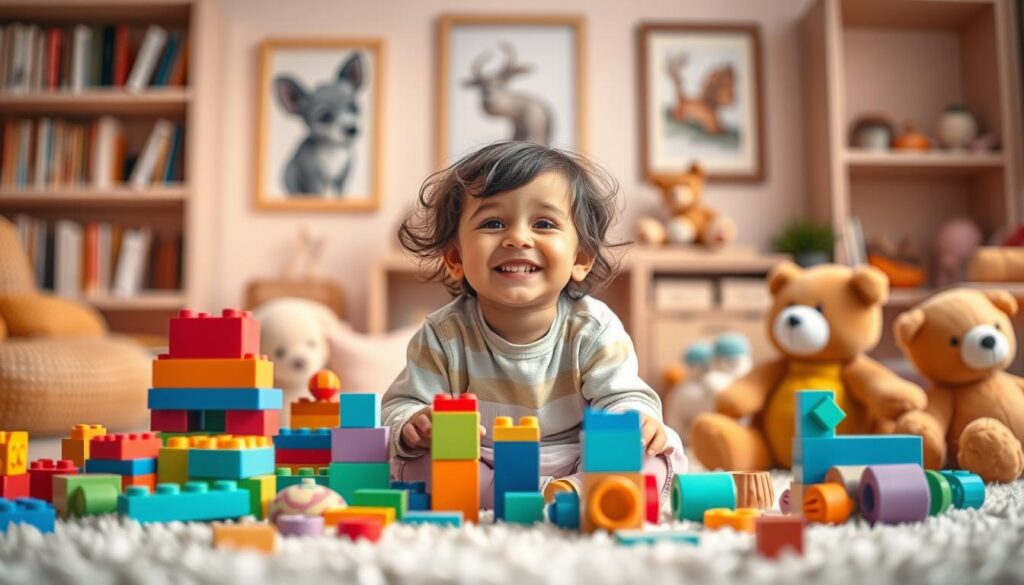
Adding emotional support to daily moments, like meals or bedtime, creates a caring space. This consistency helps kids feel safe and understood, boosting their emotional regulation.
It’s easy to add these parenting strategies to daily life. Just talking openly or showing empathy can greatly improve a child’s emotional health.
Celebrating Emotional Growth
Understanding and managing emotions is key for a child’s growth and happiness. As parents, it’s important to celebrate the small wins in your child’s emotional journey. This can greatly impact their ability to express emotions healthily.
Seeing your child’s progress in feeling and managing emotions boosts their confidence. It shows them you value their efforts and encourages them to keep growing. Just a simple “good job” can mean a lot, whether it’s about sharing feelings or handling tough situations.
Celebrating emotional growth is vital for kids’ development. It helps them keep improving their emotional smarts. By doing this, you create a supportive space for them to grow emotionally and stay well.