






Good coordination and balance are key for daily life and fitness. They help you do tasks well and lower injury risks.
The American College of Sports Medicine says coordination is about using senses like vision and hearing with your body. This mix is essential for staying stable and avoiding falls.
Doing specific exercises can really improve your coordination and balance. Adding these to your routine boosts your fitness and safety.
Understanding the Importance of Balance
Balance is key for doing daily tasks with ease and confidence. It works your core muscles, like your lower back and legs. This improves your stability and lowers the chance of falls.
Doing balance exercises boosts your physical activity and fitness. Lower-body strength training also helps by making your muscles stronger. This supports your body’s stability.
Adding balance exercises to your daily routine brings many health benefits. They improve your balance and strengthen your core. This makes everyday activities easier and less tiring.
Good balance is also vital for physical activity and health. It prevents injuries and makes physical tasks easier and more stable.
Key Benefits of Balance Exercises
Balance exercises offer several benefits. They improve stability, enhance core strength, and boost overall fitness. These exercises help lower the risk of falls and injuries.
The Science of Coordination
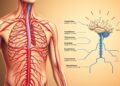
Learning about the science of coordination can really boost our physical fitness and health. Coordination means using your senses and limbs to do tasks smoothly and well.
At its heart, coordination is about the nervous system, muscles, and senses working together. It’s not just about moving. It’s about moving with precision and control, which is key for daily tasks and exercise.
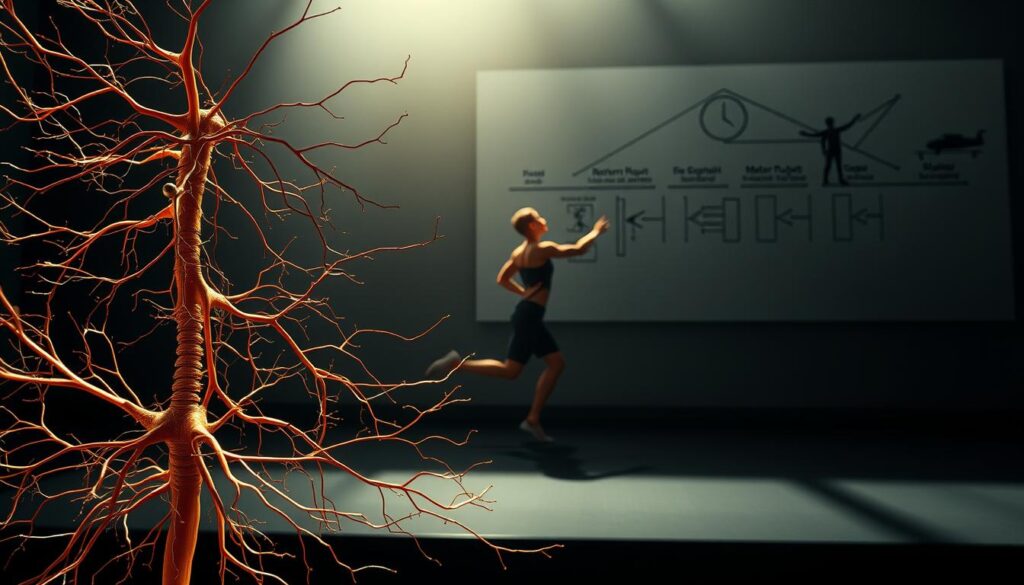
Coordination includes hand-eye, fine motor, and gross motor types. Each type is important for different parts of our lives. From simple tasks to complex sports and dance moves.
Importance of Coordination in Daily Life
Coordination helps keep motor control in check, which prevents injuries and makes movements efficient. It’s key for doing daily tasks, staying active, and staying independent as we get older.
Improving coordination boosts our physical fitness, lowers the chance of falls and injuries, and enhances our life quality. So, coordination is a key part of our health and well-being.
Types of Balance
Knowing the different types of balance can really help with stability and coordination. Balance is mainly split into two types: static and dynamic.
Static balance is about keeping steady while standing or in a fixed position. It’s key for staying in one place, like standing on one leg or holding a yoga pose. To get better at static balance, try standing on a balance board or using a BOSU ball.
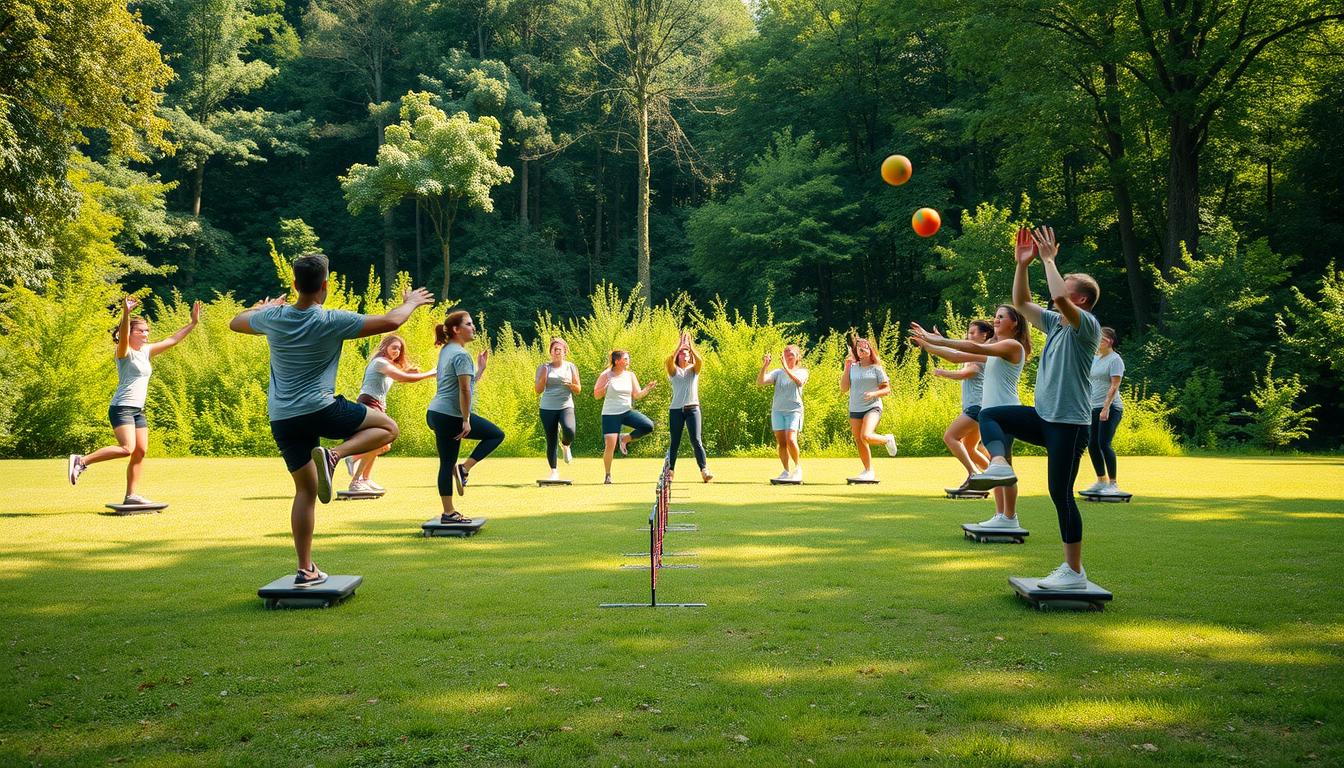
Dynamic balance is about staying stable while moving. It’s vital for sports and activities that need running, jumping, or quick turns. To work on dynamic balance, do agility drills like running through cones or ladder exercises.
Adding both static and dynamic balance exercises to your day can boost your stability and equilibrium. This not only makes you better at physical activities but also lowers the chance of falls and injuries. By practicing these balance types, you can get better at physical activities and feel more well-rounded.
Exercises to Improve Balance
Simple yet effective balance exercises can be done at home to improve overall fitness. Adding these exercises to your daily routine can greatly boost your balance and coordination.
Simple Balance Exercises
For seniors, balance exercises are key to prevent falls and keep independence. Simple exercises include the tightrope walk, rock the boat, and flamingo stand.
The tightrope walk is about walking on a straight line. You place the heel of one foot in front of the toes of the other. It challenges your balance and helps you stay steady.
The rock the boat exercise has you standing on one leg while lifting the other off the ground. It strengthens your leg muscles and boosts stability.
The flamingo stand is another great exercise. You stand on one leg with the other bent behind you. Holding this for a few seconds can improve your balance and stability.
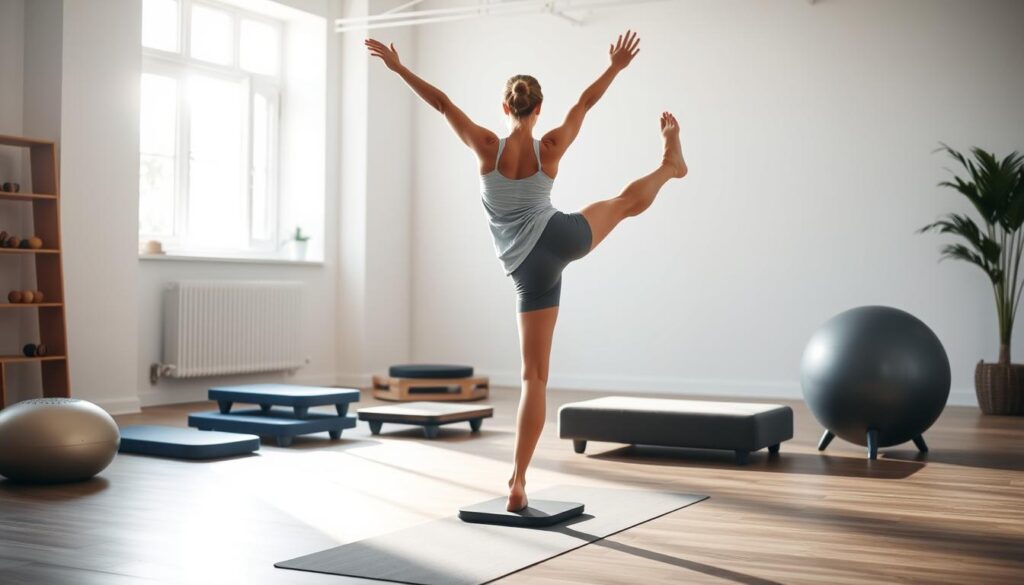
Adding physical activity to your daily life can also enhance balance. Activities like tai chi, yoga, and dancing can improve your fitness and balance.
Start slowly and increase the challenge as you get more confident. Always talk to a healthcare professional before starting any new exercise, even more so if you have health issues.
Enhancing Coordination Skills
Improving coordination skills makes it easier to do physical activities. Coordination is key to physical fitness. It combines different body parts for precise movements.
Jump rope, pickleball, and swimming are great for bettering coordination skills. They need hands, feet, and eyes to work together. Jump rope needs timing, while pickleball is all about quick reactions and eye-hand coordination.
Exercises that test balance and agility also help. Standing on one foot or doing obstacle courses are good examples. Sports like tennis or basketball, which demand quick changes in direction, also boost coordination.
Regular practice and trying harder activities are key to better coordination skills. This way, you improve your physical fitness and live a more active life.
Age and Balance Challenges
As people get older, they often find it harder to balance. This is due to natural aging and lifestyle changes. Maintaining physical activity and fitness is key to help with balance and coordination.
Aging affects the body’s systems that help with balance. Older adults might see vision changes, inner ear issues, or muscle weakness. Regular physical activity can improve strength, flexibility, and reflexes.
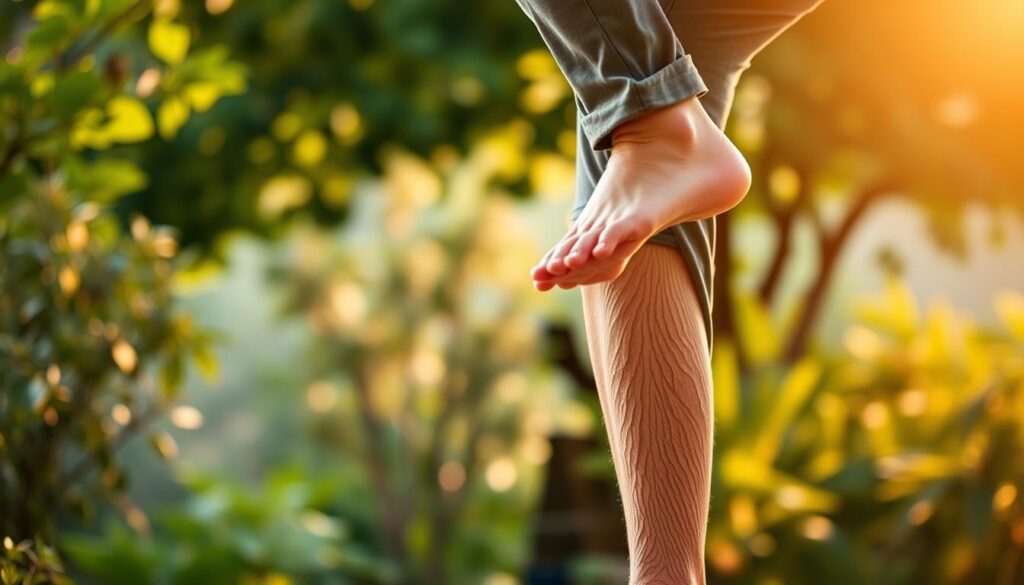
It’s important to tailor balance exercises for different ages and abilities. For older adults, exercises that boost strength, flexibility, and balance are best. Examples include tai chi, balance training, and resistance exercises. These activities improve fitness and health, reducing fall risks.
It’s never too late to work on balance and coordination. Starting a regular exercise routine can make a big difference for older adults. Talking to healthcare professionals can help pick the right exercises based on health and fitness level.
Nutrition’s Role in Balance and Coordination
Nutrition is key to staying healthy, including balance and coordination. Eating foods full of essential nutrients helps the body work better. It also makes physical activities safer and less likely to cause injuries.
A good diet has foods from all groups. Lean proteins like chicken and fish help muscles heal and stay strong. This is important for balance. Complex carbohydrates in whole grains give energy for activities that boost coordination.
Some nutrients are very important for balance and coordination. Vitamin D keeps bones and muscles strong, helping with balance. Omega-3 fatty acids in fish and nuts help the brain, which can improve coordination.
Drinking enough water is also vital. Even a little dehydration can make you dizzy and affect balance. Staying hydrated helps the body function well and supports physical activities.
Eating foods rich in antioxidants, like fruits and veggies, is good too. They fight inflammation and stress, which can help physical function. This can lower the chance of problems with balance and coordination.
Assessing Your Balance Strength
Checking your balance strength is key to better fitness and avoiding injuries. It’s about keeping your center of gravity over your base of support. Simple exercises can show how strong your balance is.
Standing on one leg is a great way to test your balance. You need little gear and can do it anywhere. Begin by standing on both feet, then lift one foot off the ground. Keep your hands by your sides or on your hips for balance. Try to stay in this position for at least 30 seconds on each leg.
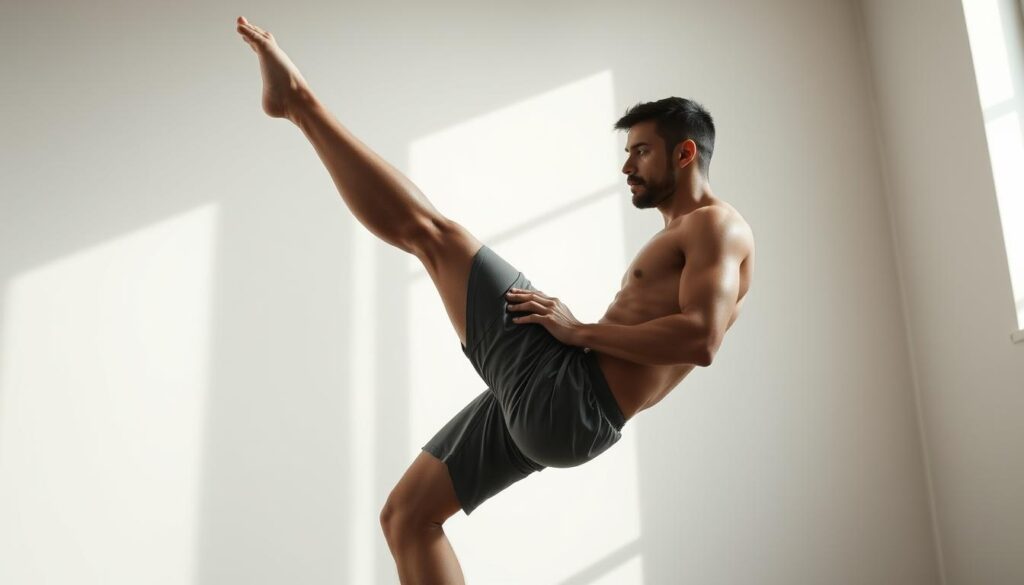
Heel-to-toe walking is another good exercise. Walk in a straight line, with the heel of one foot right in front of the toes of the other. This makes you work on balance and stability, showing where you need to get better.
Tips for Improvement: To get better at balance, do these exercises often. Start with short times and slowly increase as you get better. Adding balance exercises to your workout routine can really improve your fitness and lower fall risks.
By checking and improving your balance regularly, you’ll get fitter and live a healthier, more active life. These simple exercises help you stay on track with your fitness goals.
Tools and Equipment for Balance Training
To boost your balance training, the right equipment is key.
There are many equipment types made to test your balance and stability. They help improve your fitness.
The balance board is a favorite. It mimics different surfaces, making you adjust your balance.
The stability ball, or Swiss ball, is also great. It’s used for exercises that strengthen your core and balance.
Balance discs and BOSU balls are also useful. They have unstable surfaces that make your muscles work harder to stay balanced.
Adding these exercise tools to your routine can make your balance training better. It also boosts your physical fitness.
Remember, start slow with any equipment. Gradually make the exercises harder as you get stronger and more balanced.
Using the right equipment in your balance training can lead to big improvements. You’ll see better stability and fitness.
Staying Motivated on Your Balance Journey
Starting a balance journey takes dedication and hard work. It’s key to set goals you can reach and watch your progress. Celebrating small wins keeps you excited and motivated.
Having a supportive group is essential. Working out with a friend or family member makes it fun. Fitness classes or online forums offer great advice and encouragement.
Regular exercise boosts your balance and coordination. Adding balance exercises to your daily routine helps you stay on track. This way, you become more stable and confident.