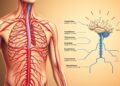







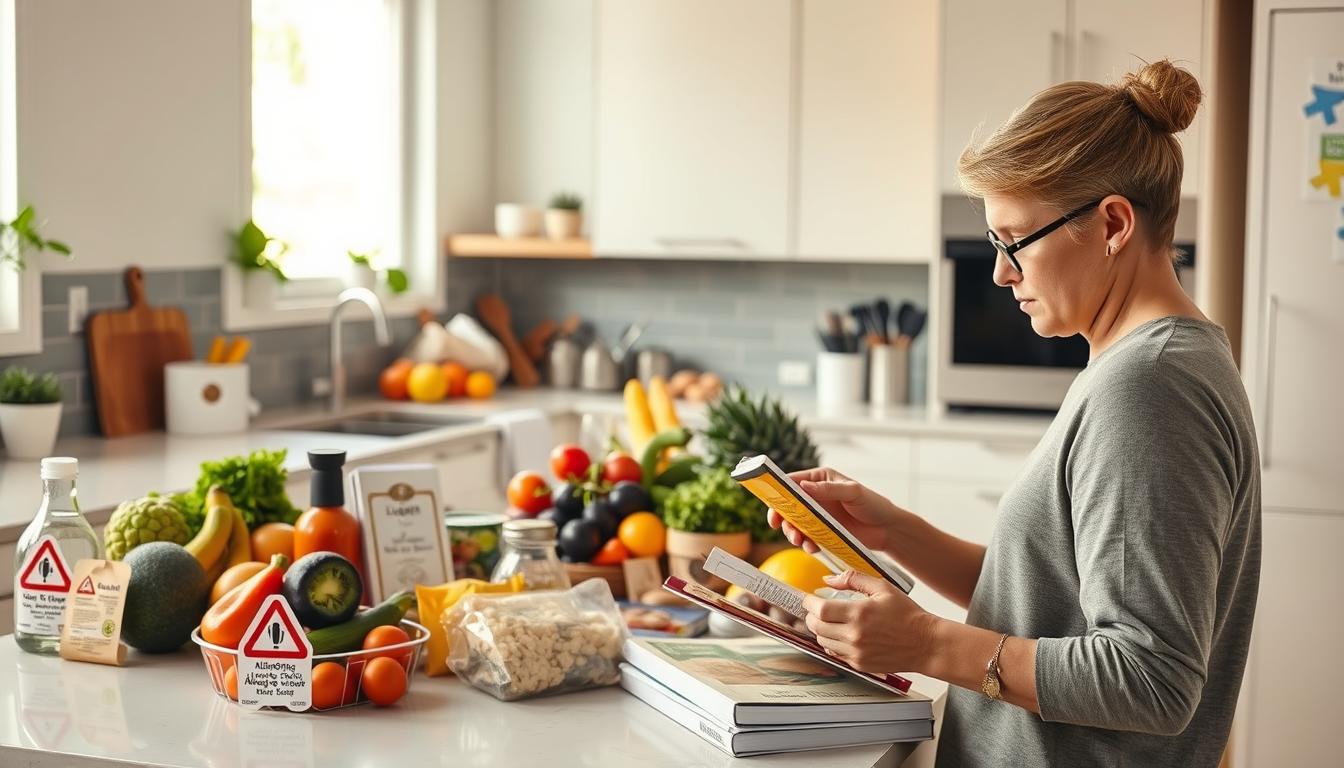
Managing food allergies requires a thorough plan. In the U.S., about 20 million people deal with this issue. This includes 16 million adults and 4 million kids, all facing the danger of an allergic reaction every day.
It’s key to make a safe space for managing food allergies. Knowing your allergy, spotting allergens, and avoiding them is essential. By being proactive, you can lower the chance of allergic reactions and make your home safer.
Understanding Food Allergies
It’s key to know about food allergies to manage and prevent severe reactions. A food allergy happens when the body’s immune system sees a food as harmful. This is not true.
“Food allergies are a serious health issue that can cause a range of symptoms, from mild discomfort to life-threatening reactions,” as noted by medical professionals. Common food allergens include peanuts, tree nuts, milk, eggs, fish, shellfish, wheat, and soy. These foods are responsible for the majority of allergic reactions.
The immune system’s reaction to these foods can trigger various symptoms. This includes hives, itching, swelling, stomach cramps, diarrhea, and in severe cases, anaphylaxis. Anaphylaxis is a life-threatening condition that requires immediate medical attention. Knowing the signs of an allergic reaction is vital for effective management.
Knowing the specific allergens and their impact is essential for safe cooking. By being aware of the risks and taking precautions, individuals can reduce the chance of an allergic reaction.
Prevention and education are key components in managing food allergies. By educating oneself and others about the risks, it’s possible to create a safer environment for those affected.
“The key to managing food allergies is awareness and preparedness. By understanding what you’re allergic to and taking steps to avoid those foods, you can lead a normal and healthy life.”
Understanding food allergies is not just about recognizing symptoms. It’s also about adopting safe practices in daily life, including cooking and grocery shopping. This knowledge empowers individuals to take control of their health and safety.
Creating an Allergy-Safe Kitchen
For those with food allergies, making their kitchen allergen-free is key. This means taking several important steps to keep the kitchen safe for food preparation and consumption.
One major step is preventing cross-contact between foods that cause allergies and those that don’t. Cross-contact happens when an allergen is moved from one food to another. This can happen through utensils, cutting boards, or cooking surfaces.
Preventing Cross-Contact
To avoid cross-contact, it’s important to use separate tools, cutting boards, and cooking areas for foods that cause allergies and those that don’t. For instance, having a special cutting board for foods like peanuts or tree nuts can greatly lower cross-contact risks.
Proper cleaning and sanitizing are also key in an allergy-safe kitchen. All tools and surfaces that touch food must be washed well with soap and warm water. Then, they need to be sanitized to get rid of any allergens left behind.
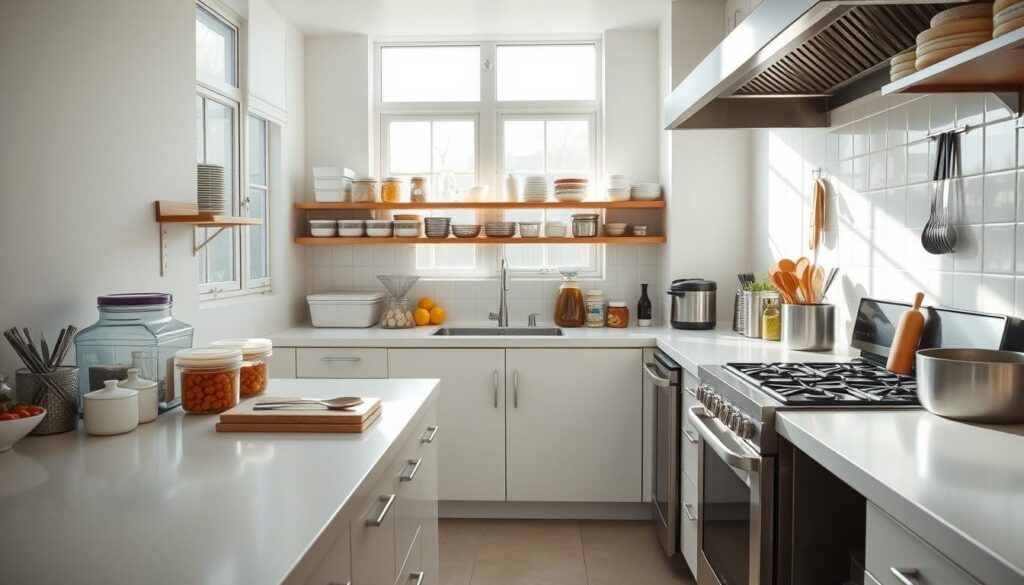
Safe food storage is also critical. Foods that cause allergies should be kept in sealed containers and clearly labeled. This helps avoid any mix-ups.
By following these steps, people with food allergies can greatly lower the chance of accidental exposure to allergens in their kitchens. Creating an allergen-free environment needs careful attention and a strong focus on kitchen safety. It’s a vital step in managing food allergies well.
Reading Food Labels Effectively
For those with food allergies, reading food labels is key. The Food Allergy Labeling and Consumer Protection Act (FALCPA) has made it easier to choose safe foods. It requires food makers to clearly label products with common allergens.
The FALCPA names eight major food allergens that must be labeled: milk, eggs, fish, shellfish, tree nuts, peanuts, wheat, and soybeans. When looking at a label, check for these allergens in the ingredient list or allergen warnings. This makes it simpler to spot possible allergens.
To read labels well, first look at the ingredient list for major allergens. Ingredients can have different names, so knowing these is important. For instance, milk might be called “casein” or “lactose,” and peanuts could be “ground nuts” or “peanut flour.”
Understanding different labels is also key. “Contains” statements tell you about major allergens. “May contain” warnings are about possible cross-contamination. Knowing these helps you make better food choices.
Some labels also have voluntary certifications like “gluten-free” or “dairy-free.” These are not required by FALCPA but can offer extra safety. Yet, always check the ingredient list, as certifications don’t replace thorough label reading.
Learning to read food labels well is vital for those with food allergies. It helps them avoid allergens and manage their allergies in today’s complex food world.
Safe Cooking Practices
For people with food allergies, cooking safely is a must. Making sure the kitchen is safe involves several important steps.
Separate Cooking Utensils and Surfaces: Using separate tools and areas for allergen-free meals is key. This means having dedicated cutting boards, knives, and utensils for safe cooking.
Cooking allergen-free meals first is also essential. This way, you avoid mixing allergens with other foods. For instance, cook a meal without nuts first to prevent cross-contamination.
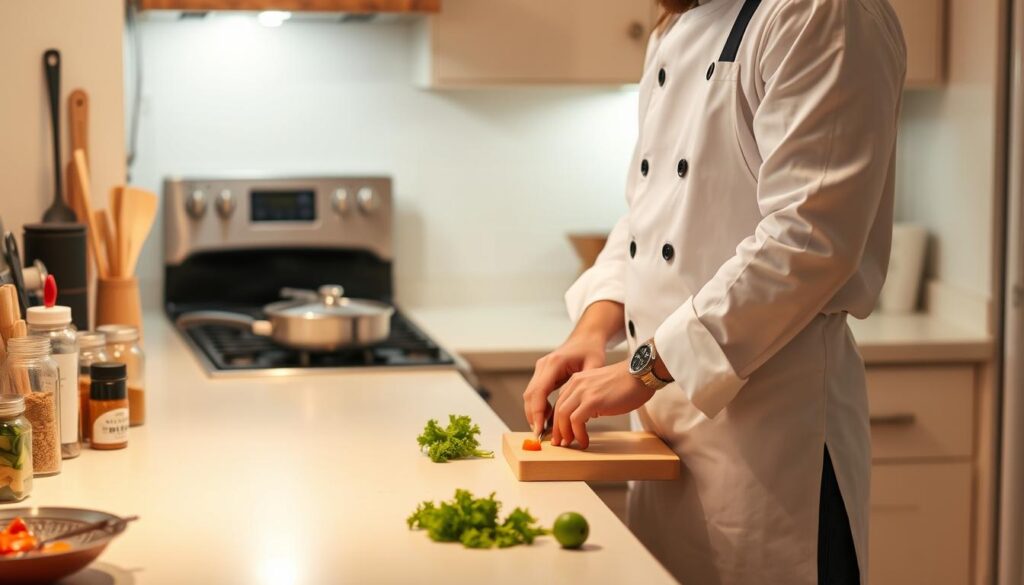
Being Mindful of Airborne Allergens: Some allergens, like peanuts, can spread through the air. Using exhaust fans or cooking in open areas helps avoid inhaling these allergens.
Kitchen Organization: A tidy kitchen is also important. Store allergenic foods in sealed containers and label them. A clean kitchen reduces cross-contact risks and makes allergy management easier.
By following these safe cooking practices, people with food allergies can lower their risk of exposure. It’s about creating a safe space for cooking healthy, allergen-free meals.
Preventing cross-contact is key to managing food allergies at home. By using these strategies, families can make mealtime safe for all.
Grocery Shopping Tips
Safe grocery shopping is key for those with food allergies. It begins with knowing how to read labels and avoid cross-contact.
At the grocery store, stay alert. Always read the labels carefully to spot allergens. Look for known allergens and watch for “may contain” or “processed in a facility with” statements.
Steer clear of products with advisory statements about allergens if you’re not sure they’re safe. Even without a specific allergen listed, a product might be risky due to cross-contact during making.
Knowing about cross-contact risks in stores is also important. Cross-contact happens when allergenic foods touch non-allergenic foods, often through shared tools or surfaces. Some stores work hard to reduce this risk, like by keeping allergen-friendly items separate or using special equipment.
To choose safe food, look for stores with strong allergen management plans. Some places give detailed allergen info and lists of safe products for specific allergies.
By staying informed and ready, you can shop with confidence. You’ll make safe choices that keep you healthy and safe.
Dining Out with Food Allergies
Managing food allergies when eating out means knowing the menu, talking to the staff, and watching for cross-contact. It’s key to be careful to avoid allergic reactions.
Communicating Food Allergies well to the restaurant staff is the first step. Tell your server about your allergies and ask about the menu. Find out if the restaurant has an allergy policy or if staff knows about food allergies.
It’s also important to understand the menu. Choose dishes that are less likely to have common allergens like peanuts, tree nuts, milk, eggs, fish, shellfish, wheat, and soy. If you’re not sure about an ingredient, ask your server.
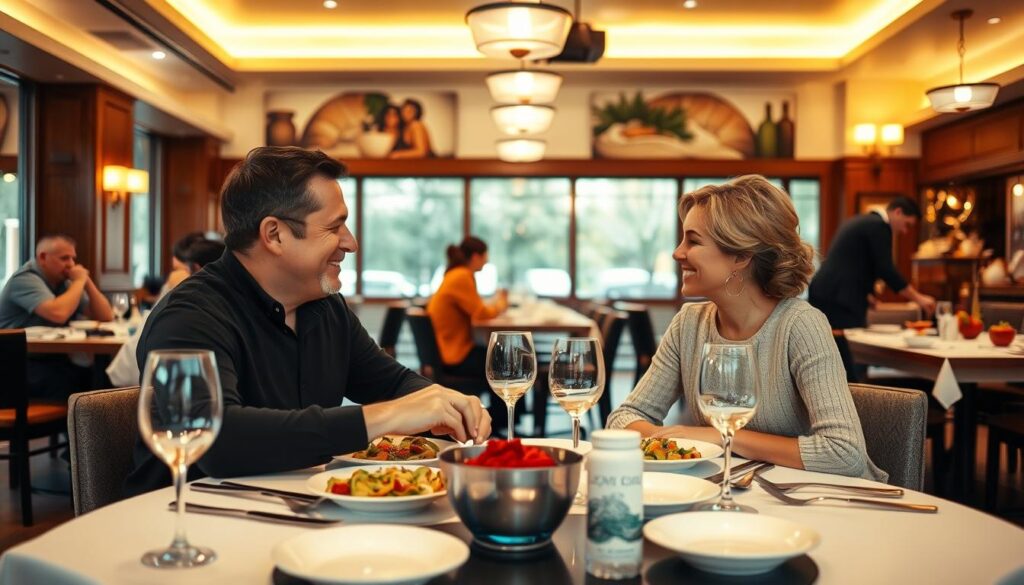
Being careful about cross-contact in the kitchen is also key. Cross-contact happens when an allergen gets into a food that doesn’t have it, often through shared cooking tools. Ask if the kitchen uses separate tools and surfaces for safe dishes.
Also, think about choosing restaurants that are good at handling food allergies. Some places are better at dealing with food allergy requests and have special steps to keep things safe.
By being informed, talking well, and knowing the risks, people with food allergies can enjoy eating out. They can do this while keeping away from possible allergens.
Managing Allergies during Family Gatherings
Managing food allergies at family gatherings is key to a safe and fun time for all. It involves planning, bringing safe dishes, and teaching others about your allergy.
Before going to a family event, plan ahead. Talk to the host about the menu to spot allergens. If you bring food, make sure it’s safe for you and label it well.
Safe food preparation is vital. Use separate tools and surfaces to prevent allergen mix-ups. If unsure about a dish, it’s safer to skip it.
Telling others about your allergy is also important. Explain your allergy, its effects, and how they can help. This makes your environment safer and more supportive.
It’s wise to be prepared for any situation. Carry an EpiPen or emergency meds and know how to react to an allergic reaction.
By being proactive and informed, people with food allergies can enjoy family gatherings safely. It’s all about being ready and understanding.
Recognizing and Responding to Reactions
Being ready to spot and act on allergic reactions is key to managing food allergies well. Reactions can be mild or severe. Knowing the symptoms is the first step to taking the right action.
Identifying Allergic Reactions: Symptoms include hives, itching, swelling, stomach cramps, and diarrhea. Severe cases can lead to anaphylaxis, a life-threatening condition. Spotting these symptoms early is vital for quick action.

For severe reactions, using an auto-injector (like an EpiPen) is often the first step. It’s important to follow the device’s instructions and get medical help right away.
Emergency Preparedness is essential. Having a plan for emergencies, including knowing how to use epinephrine, can greatly lower the risk of severe outcomes. Share this plan with everyone who cares for you.
Responding to Reactions: Stay calm and follow your emergency plan. Use epinephrine if needed and call for help. Even if symptoms seem to get better, get medical help as reactions can come back.
In summary, knowing how to spot and handle allergic reactions is important. With the right knowledge and a solid emergency plan, people with food allergies can greatly reduce their risks.
Allergy-Friendly Meal Planning
Allergy-friendly meal planning is more than just avoiding allergens. It’s about making sure everyone can enjoy meals together safely and happily.
To plan allergy-friendly meals, you need to know your ingredients well. You should be aware of common allergens like peanuts, tree nuts, milk, eggs, fish, shellfish, wheat, and soy. It’s also important to know how to replace or skip these ingredients in your recipes.
Another key point is to avoid cross-contact. This happens when allergens get mixed into other foods through utensils, surfaces, or hands. Using separate tools and cooking areas for allergen-free dishes can help a lot.
The main goal of allergy-friendly meal planning is safe eating. This means not just cooking safe meals but also being ready for emergencies. It’s important for everyone to know how to handle an allergic reaction.
Consider meal prepping to make planning easier. Cooking meals for the week and storing them in labeled containers can save time. It also helps avoid last-minute choices that might expose someone to allergens.
Getting everyone involved in meal planning is a good idea. It helps share the work and makes sure everyone’s tastes and needs are considered. This team effort makes safe eating more fun and doable for everyone.
Educating Children about Food Allergies
Teaching kids about their food allergies is vital for their safety and confidence. It’s important to start early, teaching them about the dangers and how to handle them.
Children need to know about their allergens, how to stay away from them, and what to do in emergencies. The lessons should match their age, getting more detailed as they get older.
Effective Communication Tips:
Talking to kids about their allergies should be simple and clear. Listen to their worries and answer their questions. This helps them feel safe and supported.
Visual aids like pictures or diagrams can help kids remember important allergy facts. This includes what foods to avoid and how to use an EpiPen.
As kids get older, give them more control over their allergies. Let them read food labels, ask about ingredients when eating out, and know when to tell an adult about a possible allergy risk.
By teaching kids about their allergies and involving them in the process, we help them live safer, more confident lives.
Resources for Allergy Safety
People with food allergies can find many resources to stay safe. Organizations like Food Allergy Research & Education (FARE) offer educational materials. These materials are full of useful tips on managing allergies.
Support groups, both online and in-person, are great places to share experiences. They help individuals and families get advice from others who understand. You can also find doctors who specialize in allergies through groups like the American Academy of Allergy, Asthma, and Immunology (AAAAI).
These resources offer a lot of support. They help people deal with the challenges of food allergies. By using these resources, people can manage their allergies better and live a happier life.