







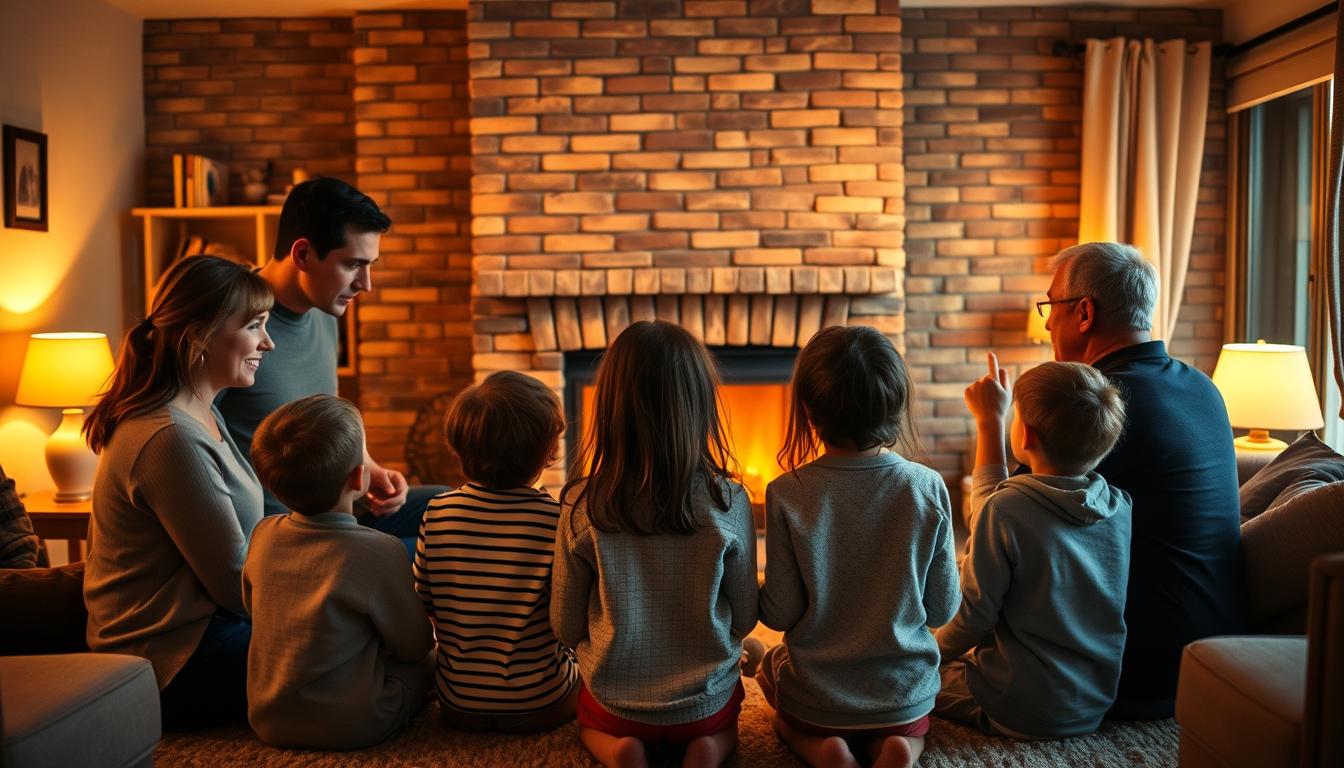
Practicing a fire drill with your family is key for everyone’s safety in emergencies.
A good fire escape plan can greatly lower the risk of injury or death in a fire.
Creating a home fire escape plan is easy and vital for emergency preparedness. By following a few steps, you can make sure everyone in your home knows what to do in a fire.
This article will show you why a fire drill is important. It will also guide you on how to make a detailed emergency plan.
Importance of Fire Safety in the Home
Home fires can happen without warning, making fire safety very important. Fires can start anywhere, anytime. This could be due to electrical problems, candles left burning, or accidents in the kitchen.
Understanding Fire Risks is key. Common fire risks include cooking, heating, electrical issues, and open flames from candles or fireplaces. Knowing these risks helps prevent fires.
Fire prevention steps can lower fire risks at home. This means keeping electrical appliances in good shape, avoiding flammable materials near heat, and never leaving cooking unattended.
A good escape plan is vital. It ensures everyone can get out safely if there’s a fire. You should know at least two ways out of each room, have a meeting spot outside, and practice the plan often.
By focusing on fire safety and being proactive, homeowners can keep their families and homes safe from fires.
Planning Your Fire Drill
To get ready for a fire, planning your fire drill is key. A good plan makes sure everyone knows what to do if there’s a fire.
Creating a written home fire escape plan is a must for fire drill planning. You need to find two ways out of every room. This is because one exit might be blocked or unsafe during a fire.
Identifying Escape Routes
When picking escape routes, think about your home’s layout and possible dangers. For example, if you live in a multi-story house, finding safe ways to get down is important.
“A good escape plan is one that is practiced and known by all family members.” This shows how important it is to make and practice a plan. Your plan should include a meeting spot outside where everyone can gather. This spot is where you call the fire department.
Make sure your escape plan works by practicing it in under 2 minutes. Knowing your emergency exit routes well is key to quick and safe escape.
“The key to surviving a house fire is having a well-practiced escape plan.”
By focusing on fire drill planning and making a detailed escape plan, you can greatly improve your family’s fire escape chances. Regular practice of your fire drill will keep everyone calm and following the plan.
Preparing Your Family for the Drill
Getting your family ready for a fire drill is essential. It involves teaching everyone about escape plans and emergency steps. Each family member needs to know their role and what to do in a fire.
Educating Children is a big part of this. Kids should learn how to escape and where to meet outside. It’s important to tell them never to go back inside a burning building.
For young kids under six, you’ll need a special plan. You might need to assign an adult or older sibling to help them. It’s key that everyone knows the escape routes and where to meet safely for fire safety education.
Emergency preparedness is more than just knowing what to do. It’s about being ready to act fast and right. Regular fire drill practice helps your family get ready for any fire situation.
By focusing on family preparedness and fire safety, you boost your family’s fire emergency response. It’s about building a safe and ready culture at home.
Creating an Escape Plan
An escape plan is more than just a map; it’s a lifeline for your family in case of a fire. It outlines the steps to be taken to ensure everyone’s safety. This includes identifying emergency exit routes and designating a safe meeting place.
To start, identify at least two ways out of every room in your home. This could be a door or a window. Make sure these exit routes are not blocked by furniture or other obstructions. It’s also important to ensure that windows are not painted shut and that screens can be easily removed.
Once you’ve identified your emergency exit routes, it’s essential to designate a safe meeting place outside your home. This should be a location that is a safe distance from your home. It could be a neighbor’s house, a streetlight, or a large tree. The key is to choose a spot that is easily identifiable and far enough away from the dangers of the fire.
When choosing a safe meeting place, consider a few factors. It should be easily accessible, visible, and far enough from the home to be safe. Having a pre-determined meeting spot helps ensure that everyone is accounted for. It also helps inform the firefighters if anyone is missing.
Remember, an effective escape plan is one that is practiced regularly. Have a home fire drill at least twice a year. This practice will help identify any issues with your escape plan. It will also reinforce the importance of your designated safe meeting place.
Practicing Your Fire Drill
Fire drill practice is key for every home. It’s not just a precaution. It’s essential for making sure all family members can follow the escape plan well.
To make your fire drill practice effective, you should mimic real-life fire situations. Do the drill at different times and in different conditions. This way, you can prepare for the surprise of a real fire. For example, practice during the day and at night, with and without warning.
Step 1: Know where to go. Before you start, make sure everyone knows the safe meeting spot. It’s important that everyone remembers and understands its role.
Make it a family activity! Include all family members, even kids and seniors. This ensures everyone knows what to do if there’s a fire.
When you practice, make it feel like a real fire. Turn off the lights or use a flashlight to mimic smoke. This helps family members get used to moving in dark or smoky areas.
After the drill, have a family meeting to talk about it. Discuss any problems or areas to work on. Then, update your escape plan to make it better.
Evaluating the Drill’s Effectiveness
After practicing your fire drill, it’s important to check how well it worked. This step helps make sure your family is ready for real emergencies.Evaluating the drill’s effectiveness means seeing if everyone can escape quickly and if the plan worked.
Use a timer to see how fast your family can get to the safety spot. You want to do this in two minutes or less. If it takes longer, find out why and change your plan.
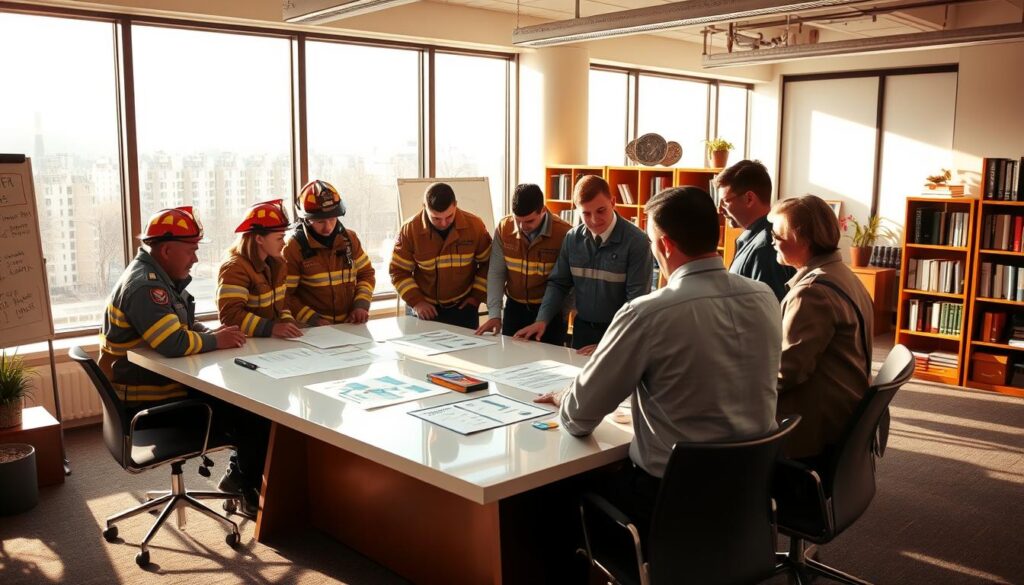
Talking about what worked and what didn’t is key. This feedback helps improve your emergency plan. By regularly checking and updating your fire drill, your family stays safe and prepared.
Frequently Asked Questions About Fire Drills
Fire Prevention Week reminds us of the need for smoke alarm upkeep. It’s also a time to answer common fire drill FAQs. Running a fire drill is key to keeping your family safe. Knowing how to do it right can help you prepare better.
Many ask, “How often should we do a fire drill?” The answer is at least twice a year. This ensures everyone knows what to do in an emergency. Another question is about how long a drill should last. It should be as if it were a real fire, with everyone leaving quickly and safely.
“Don’t Wait – Check the Date! Replace Smoke Alarms Every 10 Years” is this year’s Fire Prevention Week theme. It stresses the need for smoke alarm checks. Regular drills and smoke alarm upkeep make your home safer.
After a drill, people often ask, “What’s next?” It’s important to talk about what worked and what didn’t. This helps make future drills better. This discussion is a big part of emergency preparedness questions and answers.
“Fire drills are not just about escaping a house; they’re about being prepared for the unexpected.”
By tackling these fire drill FAQs and using Fire Prevention Week’s lessons, you can make your family safer. This ensures a safer home for everyone.
Fire Safety Equipment to Consider
To keep your home and family safe, you need the right fire safety equipment. Having the correct devices can greatly lower the risk of injury or damage during a fire.
Smoke alarms are a key part of fire safety equipment. You should have smoke alarms on every level and in each bedroom. This way, everyone can be alerted if there’s a fire, no matter where they are. Always test your smoke alarms twice a year to make sure they work.
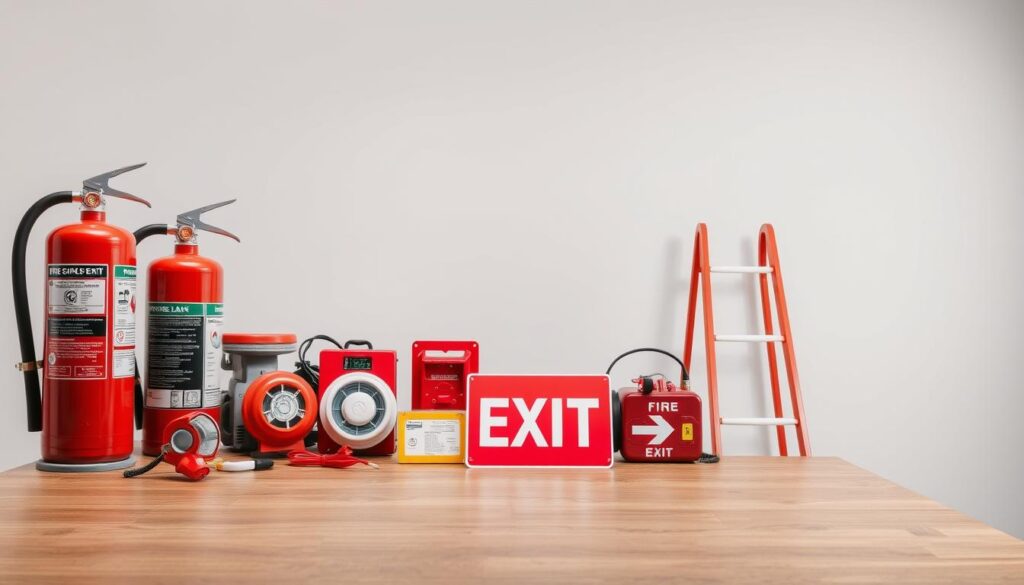
Having fire extinguishers in key spots around your home is also important. Fire extinguishers can help control small fires, saving your home and things inside. Make sure to pick the right fire extinguisher for each area, like the kitchen or garage. Also, teach everyone how to use them right.
Keeping your fire safety equipment in good shape is key. This means checking the fire extinguishers for expiration dates and replacing them when needed. Also, keep your smoke alarms clean from dust and dirt.
By getting the right fire safety equipment and keeping it up, you can make your home and family much safer.
Teaching Kids About Fire Safety
Teaching kids about fire safety is key to keeping them safe. It’s important to do regular fire drills. Kids might get scared and need help getting out of the house fast.
Start by explaining fire safety in a way kids can get. Use simple examples like not playing with matches. Tell them fire alarms warn of danger.
Creating a kid-friendly escape plan is vital. Find at least two ways out of each room. Pick a spot outside where everyone meets after escaping.
Practice the plan often. This makes kids feel ready and safe in case of a fire. Teach them to stay low and not hide in closets or under beds.
By teaching children about fire safety and doing fire drills, you boost their fire safety skills. This helps them know what to do in an emergency.
Community Resources for Fire Safety
Across the United States, communities offer many resources for fire safety. These help people and families make their homes safer. They teach about fire prevention, offer help in emergencies, and promote safety.
Local fire departments do safety checks and give out educational materials. Schools and public campaigns also play a big role. People can find tips and learn how to prepare for emergencies through local workshops and online resources.
Using these community resources is key to improving fire safety. It lets people get local guidance and support. This can greatly lower the chance of fires.
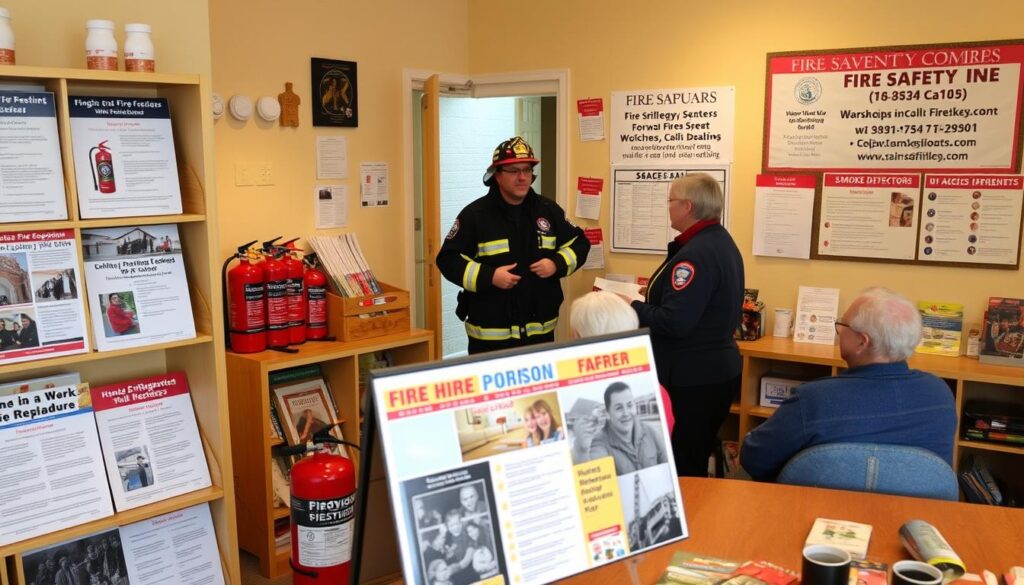
For more fire safety tips and resources, check out our tips section. It has free guidance and resources. Also, getting involved in local fire safety programs is a good idea.
Keeping Fire Safety Top of Mind
Fire safety is not a one-time task. It’s an ongoing effort that needs regular attention. To keep your family safe, it’s key to maintain fire safety awareness through drills and safety checks.
HomeFirst protection helps protect your home and belongings. But the most important thing is that you and your family get out safely. Regular fire drills ensure everyone knows what to do in an emergency.
Maintaining fire safety is more than just having the right equipment. It’s about creating a culture of safety in your home. This includes checking smoke detectors, ensuring escape routes are clear, and practicing fire drills at least twice a year.
By making fire safety a priority, you can protect your loved ones and home. Remember, fire safety awareness is key to preventing accidents and ensuring a safe escape in case of a fire.
Conclusion: Make Fire Drills a Family Tradition
To make fire drills a family tradition, it’s key to practice the plan often. Use the ‘Test’ feature on your smoke detectors for practice drills. This helps keep family fire safety habits strong and everyone ready for emergencies.
Regular drills help spot any weak spots in your escape plan. You can then fix these issues. By making fire safety a family focus, you can turn fire drills into a regular part of your life.