







Keeping healthy habits is key during school years. It sets the stage for overall student wellness. Good nutrition, hygiene, physical education, and mental health awareness are all important.
By focusing on these areas, students build habits for a lifetime of health. It’s vital for parents, educators, and students to understand the role of school health initiatives.
Importance of School Health Programs
School health programs are key for teaching healthy habits and boosting academic success. They offer many services and activities to improve students’ well-being.
Comprehensive Health Education is a main part of these programs. It teaches students about good habits, nutrition, and the value of exercise. This knowledge helps them make smart health choices now and in the future.
The benefits of school health programs reach far beyond individual students. They help create a healthy school culture. This leads to better attendance, less illness, and higher grades. Health education also helps prevent problems like obesity, substance abuse, and mental health issues.
Key Components of Effective School Health Programs
Good school health programs mix health education, services, and a supportive environment. Health education teaches students how to stay healthy. Health services give them medical care, screenings, and counseling. A healthy school environment supports students’ physical and emotional health.
Investing in school health programs brings lasting benefits. Schools see better student results and a healthier community. So, schools should focus on health education and tailor programs to fit their students’ needs.
Nutrition: Fueling Young Minds
Nutrition is key to fueling young minds, helping students do their best. A diet full of essential nutrients boosts their health, energy, and brain power.
Eating a balanced diet is essential for students. It should include fruits, veggies, whole grains, and lean proteins. These foods give the body the vitamins, minerals, and antioxidants it needs to stay healthy.
Balanced Diet for Students
A balanced diet for students should have:
Fruits and Vegetables: They’re packed with vitamins and minerals, keeping the immune system strong and overall health good.
Whole Grains: They give lasting energy and fiber, helping with digestion.
Lean Proteins: They’re vital for growth and repair, supporting muscles and brain development.

By adopting healthy eating habits, students can boost their focus, memory, and grades. It’s also vital to cut down on processed foods and sugary drinks.
Parents and schools can team up to promote balanced diets. They can offer nutritious meals and teach students about the perks of eating well.
Physical Education: Beyond the Gym
Physical education does more than just keep students fit. It also boosts their mental health and helps them do better in school. Exercise improves heart health, strengthens the immune system, and lowers obesity risk. It also helps with anxiety and depression.
Physical activity is not limited to gym class; it can be part of daily life. Students can join sports teams, play actively during recess, or walk or bike to school. These activities teach teamwork, discipline, and perseverance.
Health experts say exercise helps students do better in school. It improves focus and memory. This shows why physical education is key in school.
“Exercise is a celebration of what your body can do, not a punishment for what you ate.” This view shows how exercise boosts self-esteem and body image.
Short physical activity breaks during the school day can help students stay focused. Simple exercises like stretching or jumping jacks work well. Schools can offer many sports and activities to meet different interests and abilities.
In summary, physical education is essential for students’ growth. By adding physical activity to daily life, students can live healthier and more balanced lives. Schools are key in this effort, impacting students’ well-being and success.
Mental Health Awareness in Schools
Promoting mental health awareness in schools is key for students’ well-being. Schools shape young minds and help with mental health needs.
The signs of mental health issues can be hard to spot. They might include mood, appetite, or energy changes. Teachers and staff can learn to notice these signs and offer support.
Getting help is a big step in dealing with mental health problems. Schools can help by making counseling services available. They should also create a safe space for students to talk about their feelings.
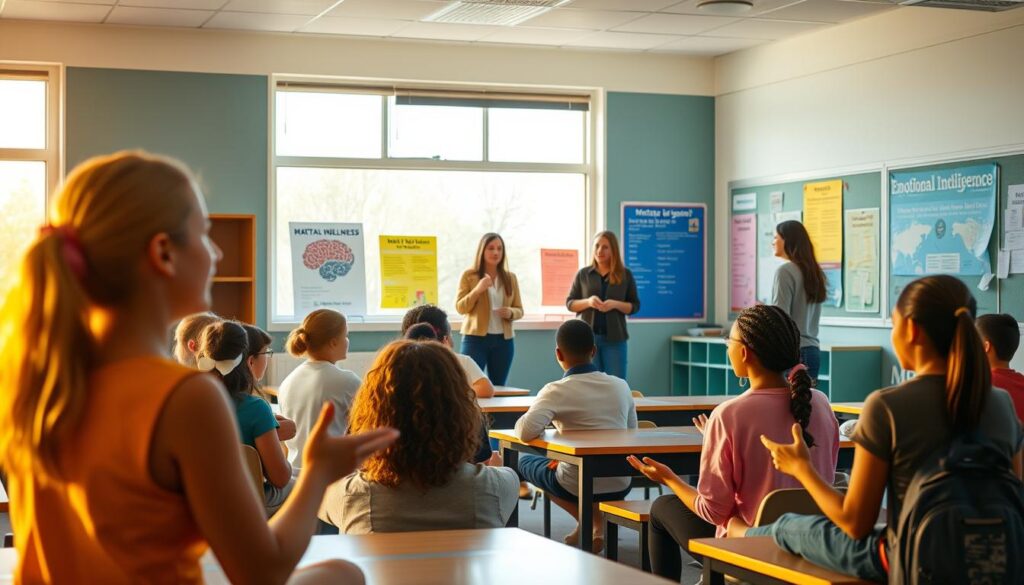
There are many resources for students, like school counselors and online help. Schools should also work with parents and the community. This way, they can offer a strong support network.
Creating a Supportive Environment
Schools can make a supportive place by teaching mental health education. They can also organize activities that help reduce mental health stigma.
By focusing on student mental health and providing school support, schools can greatly improve students’ well-being and success.
Healthy Relationship with Food
It’s key for students to have a good relationship with food for their well-being. They need to understand the value of healthy eating. They should also learn habits that help them have a positive food relationship.
Students often find it hard to eat well because of their busy lives. They also face the temptation of unhealthy foods. As the saying goes, “You are what you eat.”
“You are what you eat.”
This means the food choices students make greatly affect their health and school work.
To build a healthy food relationship, students should practice mindful eating. They should listen to their hunger and fullness signals. They should also eat slowly and avoid distractions while eating.
Nutrition Education
Learning about student nutrition is very important. Schools can teach students about the benefits of different foods. They can also show how to keep a balanced diet.
By teaching healthy eating habits and providing info on student nutrition, schools help students. This helps them feel better and do better in school.
Hygiene Practices for Students
Good hygiene is key for students to stop illnesses from spreading. Simple steps can greatly improve student health.
Hand hygiene is a top hygiene practice. Washing hands often, before meals and after using the bathroom, cuts down germ spread. Use soap and water for at least 20 seconds.

Other key practices include covering your mouth when coughing or sneezing. Also, avoid touching others who are sick. Clean and disinfect often-touched surfaces and objects.
Good hygiene practices help not just the student but the whole school. These habits can lower sickness absences and keep grades up.
Schools can help by teaching hygiene in class. They can also promote health with workshops, posters, and reminders. This shows how important staying clean is.
By focusing on hygiene practices, students can stay healthy and do well in school and life.
Creating a Safe School Environment
A safe school environment is key for students to do well in school and grow personally. Schools must be safe and secure. This is a big job that needs many safety measures to keep students safe.
Bullying prevention is a big part of a safe school. Schools need clear rules and programs to stop bullying. They also need ways to report and handle bullying when it happens. This means teaching everyone about bullying’s harm and promoting kindness and respect.
Emergency preparedness is also very important. Schools should have detailed plans for emergencies like natural disasters or intruders. It’s important to have regular drills and training for everyone. This way, everyone knows what to do in an emergency.
Keeping the school building safe is also key. This means the school is well-kept, secure, and safe. Schools should have things like controlled entry points, cameras, and safety checks.
By working on these areas, schools can make a safe and supportive place. This lets students focus on learning and growing. These safety measures protect students and make school better for everyone.
Parental Involvement in School Health
Parents are very important in making school health programs work. Their help not only keeps their kids healthy but also helps them keep up good habits learned at school.
Supporting Healthy Habits at Home
Parents can help a lot by making their homes a healthy place. This means serving healthy food, encouraging kids to be active, and not letting too much screen time.
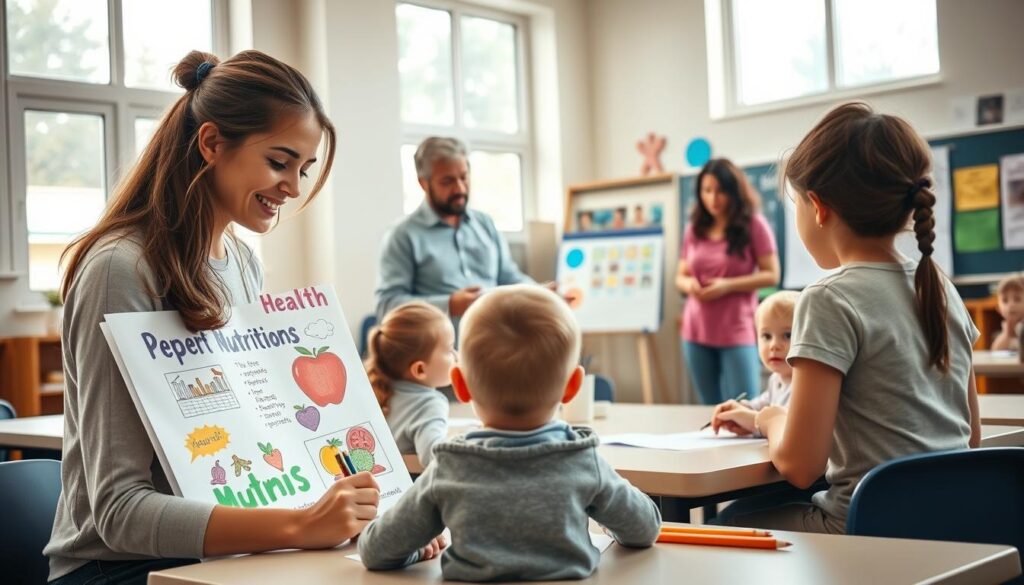
By keeping up with what schools are doing for health, parents can help at home too. Talking often with teachers and health experts helps parents know how to support these efforts.
In the end, parental involvement in school health is about making a supportive environment. When parents and schools work together, kids learn habits that will help them for years to come.
Leveraging Technology for Health Education
Technology is changing how we learn about health and wellness. Digital tools make health education more fun, interactive, and easy to access for students.
Digital Resources in Health Education
Digital tools like apps, online platforms, and multimedia are becoming key in health education. They offer interactive learning experiences that fit different learning styles. This makes health education more effective.
A study found that using technology in health education improves student outcomes. It leads to better knowledge retention and more motivation to be healthy (
A call to action: Integrating technology into health education, Journal of Health Education, 2022
). This shows technology’s power to change health education.
Benefits of Leveraging Technology
Using technology in health education has many benefits, including:
More access to health information
Learning experiences tailored to each student
More engagement with interactive content
By adding digital resources to health education, teachers can create a better learning space. This space supports the needs of all students.
Effective Integration of Digital Resources
To use digital resources well in health education, teachers need to focus on quality and relevance. They also need to make sure schools have the right technology. This way, digital tools can enhance traditional teaching methods and improve the learning experience.
Community Resources and Support
Having access to community resources and health support is key for well-being. Local health services help students and families stay healthy. They offer the tools and guidance needed for a healthy life.
Students and parents can find many resources like healthcare providers and support groups. These services include health education, counseling, and medical care. They also provide emergency services.
Using these resources helps families deal with health challenges. It’s important to know what local health services are available. And to use them when needed.
To learn more about community resources and health support, visit local health department websites. Or contact school health administrators. They can give valuable advice on finding the right resources for your needs.