







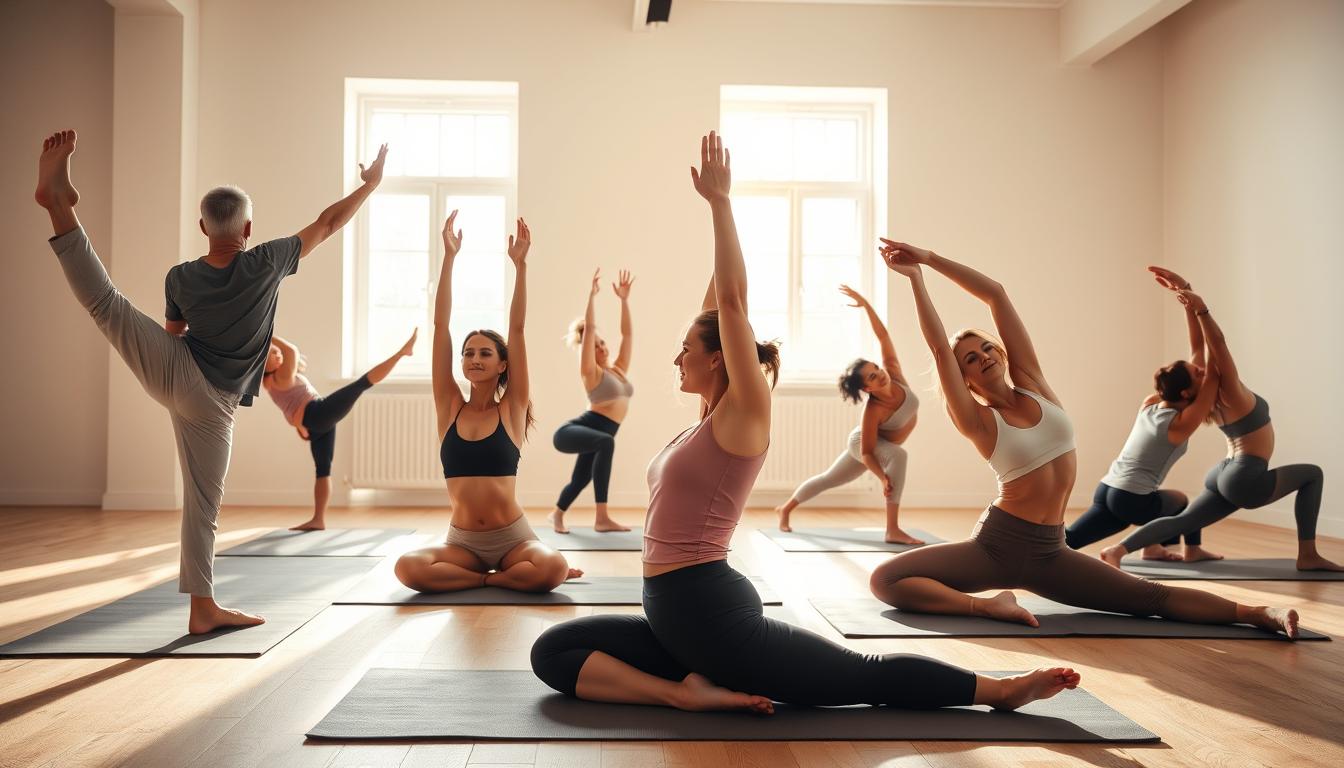
Maintaining flexibility is key for good health. Regular stretching exercises can help a lot. The Mayo Clinic Staff says stretching daily boosts mobility and lowers injury risk.
Charlee Atkins, CSCS, points out how important flexibility is. It improves sports performance and daily life. Making stretching a routine can lead to a healthier, more active life.
Looking deeper, flexibility is more than just physical. It’s about living well. Regular stretching helps keep a good balance in life.
The Importance of Stretching for Flexibility
Stretching is key for better flexibility, range of motion, and injury prevention. Mayo Clinic Staff says regular stretching boosts flexibility and motion, lowering injury risk. Stretching makes muscles and tendons longer, making movement easier.
Being flexible isn’t just about touching your toes. It’s about moving freely and keeping good posture. Good flexibility means less muscle strains and joint pain. Stretching also boosts physical performance by making movements more efficient.
Stretching is vital for injury prevention. It improves flexibility and motion, reducing muscle imbalances and overuse injuries. Stretching also helps lessen muscle soreness after working out, making it key for post-exercise routines.
Adding stretching to your daily life can greatly improve your health and fitness. It’s beneficial for athletes and anyone wanting better mobility. Stretching is a simple yet powerful way to boost flexibility and lower injury risk.
Benefits of Stretching for Flexibility
Stretching offers many benefits, like better range of motion, less muscle soreness, and improved physical performance. By making stretching a part of your routine, you can enjoy these benefits and enhance your life quality.
Types of Stretching Techniques
To get the most out of stretching, knowing the different methods is key. Stretching techniques fall into two main categories: static and dynamic. Each has its own role in flexibility exercises.
Static Stretching means holding a stretch for 15-30 seconds to stretch the muscle. It’s great for boosting flexibility and is often done after exercising.
Examples of Static Stretches
Some popular static stretches are hamstring, hip flexor, and shoulder stretches. For example, the hamstring stretch involves standing with feet apart and leaning forward to touch toes. Hold for 20-30 seconds. This improves hamstring flexibility.
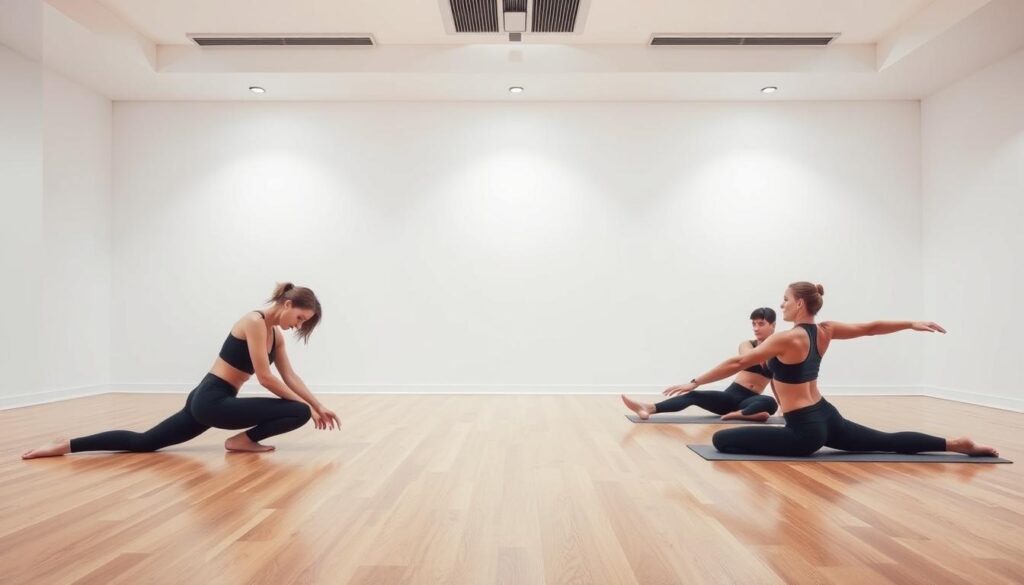
Dynamic Stretching involves moving joints through motion while muscles stay active. It’s best before workouts to get muscles ready and improve performance.
Leg swings, arm circles, and torso twists are examples of dynamic stretches. These movements boost blood flow and muscle temperature. This makes muscles ready for exercise. Mixing static and dynamic stretches can greatly enhance your flexibility exercises and athletic performance.
When to Stretch for Optimal Results
Stretching at the right time can make a big difference. The Mayo Clinic Staff says stretching after a workout is best. It can boost flexibility and cut down on muscle soreness.
Stretching after you work out is really good. It helps reduce muscle tension and makes you more flexible. Your muscles are warm and ready to stretch after exercise.
Stretching at other times can also be helpful. For example, stretching in the morning can get your blood flowing and give you energy. It prepares your body for the day.
Stretching before bed can also help. It can relax you and make your sleep better. Find out when stretching works best for you.
The secret to great stretching is being consistent and timing it right. Adding stretching to your daily routine can improve your flexibility and physical performance.
Stretching for Different Age Groups
Older adults can greatly benefit from stretching in their daily routine. It improves flexibility and reduces fall risks. As people age, their flexibility and mobility naturally decrease, making everyday activities more challenging.
Age-specific stretching is key because it meets the unique needs of different age groups. For older adults, stretching can help improve balance and reduce the risk of falls. This is a big concern in this population.
Flexibility exercises for older adults should focus on major muscle groups. These include the hamstrings, hip flexors, and lower back. Gentle stretching exercises can be very beneficial. They improve range of motion without putting too much strain on muscles and joints.
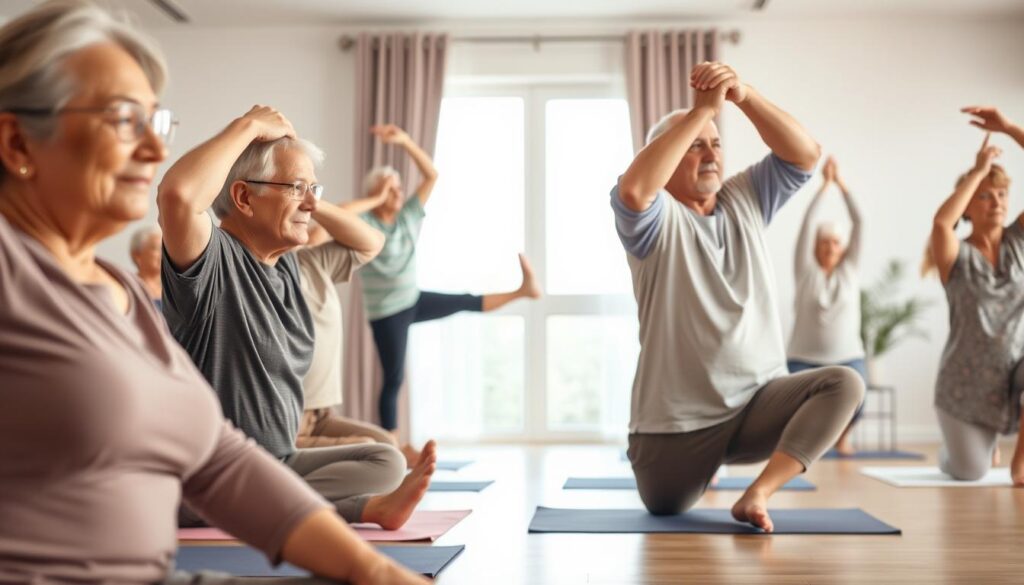
In addition to improving flexibility, age-specific stretching can enhance overall mobility. It contributes to a better quality of life for older adults. It’s important to start slowly and gradually increase the intensity and duration of stretching exercises. This should be based on individual comfort and health status.
For older adults, it’s also important to incorporate stretching into a broader exercise routine. This routine should include balance training and strength exercises. This approach can significantly reduce the risk of falls and related injuries.
Incorporating Stretching Into Your Routine
Charlee Atkins, CSCS, says a short daily stretch can boost flexibility. It’s important to stretch regularly. This lets your muscles get stronger and more flexible over time.
Find the best times to stretch each day. Morning stretching can boost your energy and get your muscles ready for the day. Evening stretching can help you relax and ease muscle tension.
Start with 5-10 minutes of stretching and increase as you get more comfortable. It’s good to mix up your flexibility exercises to work on different muscles. This makes your stretching routine more effective.
To make stretching a habit, tie it to something you already do daily. Like stretching right after waking up or before bed. Sticking to a routine is key for the best results, so stretch at the same time every day.
By adding stretching to your daily routine and staying consistent, you can improve flexibility. This also lowers injury risk and boosts your overall health.
Common Mistakes to Avoid When Stretching
Stretching safely and effectively requires proper technique and avoiding common mistakes. Many people, whether beginners or seasoned athletes, often make errors. These mistakes can lead to injury or reduce the benefits of stretching.
One common mistake is bouncing or forcing stretches. The Mayo Clinic Staff warns that this can cause muscle strain or tears. Instead, hold stretches statically for 15 to 30 seconds to relax the muscle fully.
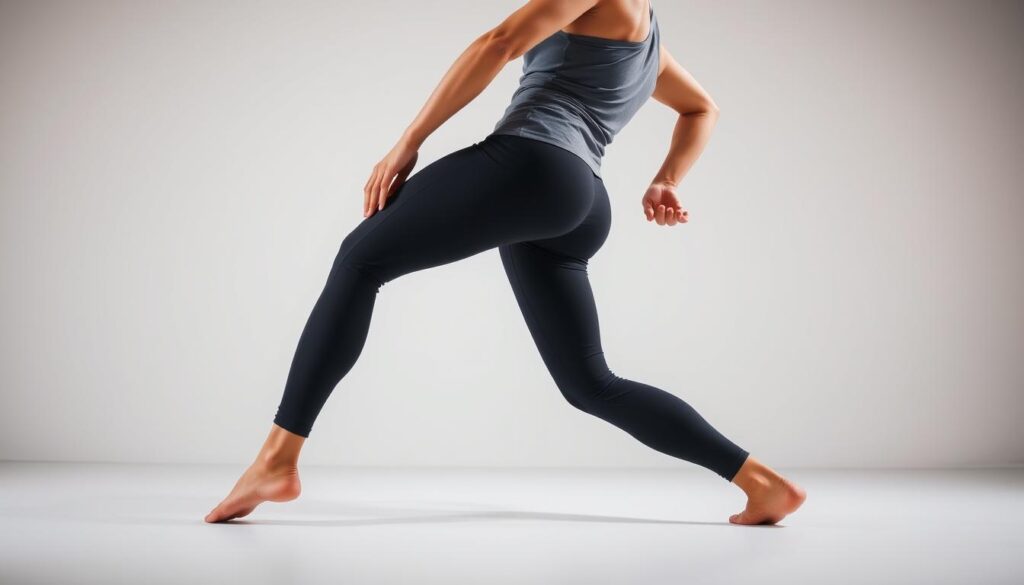
Another mistake is not warming up before stretching. Stretching cold muscles can cause injury. It’s important to warm up with light cardio or dynamic stretches before doing static stretches.
Ignoring pain is a big error. While some discomfort is normal, sharp pain means you should stop. Stretching should feel like a gentle, sustained pull, not painful.
“The key to effective stretching is not to force beyond a comfortable range of motion but to hold a stretch for a period to allow the muscle to relax.”
Lastly, not being consistent can slow progress. Stretching is most effective when done regularly. Adding stretching to your daily routine, even for a few minutes, can greatly improve flexibility over time.
By avoiding these common mistakes and focusing on proper technique and safety, you can get the most out of stretching. This includes better flexibility, reduced muscle tension, and improved physical performance.
Stretching and Injury Prevention
Stretching is key to avoiding injuries by making your body more flexible. Regular stretching boosts your range of motion. This is important for doing daily tasks and sports without hurting your muscles.
Improving Flexibility and Range of Motion is vital for staying injury-free. Stretching keeps your muscles and tendons elastic, lowering the chance of strains and tears. Adding stretching to your daily routine boosts your physical performance and cuts down injury risks.
Stretching has many benefits, including getting your muscles ready for exercise. Dynamic stretching before a workout increases blood flow and muscle temperature. This makes your muscles ready for the effort ahead. Static stretching after a workout cools down your muscles and boosts flexibility.
Also, stretching helps your body recover after exercise. It improves flexibility and lessens muscle soreness. This means you can get back to your activities faster and with less pain.
To wrap it up, making stretching a part of your daily or weekly routine is a smart move. It boosts flexibility, improves range of motion, and lowers injury risks. Whether you’re into sports or just like staying active, stretching is a must for a healthy lifestyle.
Stretching for Special Populations
People with chronic conditions need special stretching exercises. The Mayo Clinic Staff says to talk to a doctor before starting to stretch. This makes sure the stretches are safe and right for their health.
Stretching can help those with chronic conditions like arthritis, diabetes, or heart disease. It can make them more flexible, less stiff, and more mobile. But, it’s important to make the stretches fit their health and abilities.
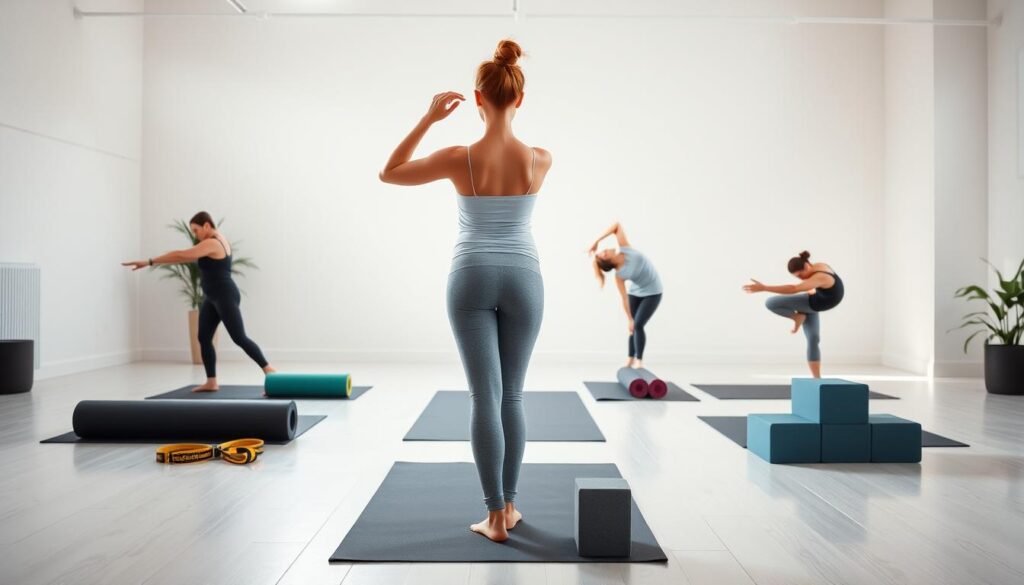
For example, people with arthritis might do gentle, low-impact stretches. Those with diabetes should check their blood sugar before and after stretching. Getting advice from a healthcare professional is key to a safe and good stretching plan.
Also, flexibility exercises can be changed for different ages and abilities. Older adults or those with mobility issues might find chair yoga or water exercises helpful. These are gentle and can improve flexibility without too much strain.
In short, stretching for special populations needs careful thought about their unique needs and health. By adapting stretching routines and getting advice from doctors, people with chronic conditions can enjoy the stretching benefits safely.
Tools and Equipment for Effective Stretching
Stretching tools and equipment are key to better flexibility and less muscle soreness. They make stretching routines more effective.
The foam roller is a top choice for stretching. It’s a self-myofascial release tool that eases muscle tension and boosts blood flow. It helps target tight spots, improving flexibility and movement.
Other useful tools include stretching straps and exercise balls. Straps deepen stretches, and exercise balls help with balance and flexibility.
The stretching pole or flexibility rod is great for stretching the shoulders, back, and legs. It offers more motion and is good for those with tight muscles.
Adding resistance bands to your routine is also smart. They offer gentle resistance that boosts flexibility and strength at the same time.
Choosing the right tools is important. They should be durable, comfy, and meet your needs. Using the right tools can make your stretches better, reduce soreness, and improve your performance.
Creating a Personalized Stretching Plan
Creating a stretching plan that fits you is key to getting more flexible. Charlee Atkins, CSCS, suggests checking your flexibility first. This helps you make a personalized stretching plan that meets your needs.
Having a good stretching routine means doing it regularly and with patience. Adding stretches to your daily life boosts your flexibility and movement. Regular checks on your flexibility help tweak your plan for better results.
By following these steps and making a personalized stretching plan, you’re on your way to reaching your flexibility goals. You’ll enjoy a more flexible and mobile body.