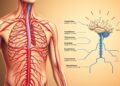







Drinking milk is often linked to strong bones. This is because milk is packed with calcium. Calcium is key for bone health.
Christopher Gardner, a Stanford nutrition scientist, says milk can boost bone density. But, its role in preventing bone fractures is up for debate.
Calcium is vital for building and keeping bones strong. Even though research on milk and fractures is ongoing, calcium’s role in bone health is clear.
The Nutritional Powerhouse of Milk
Milk is a nutritional powerhouse, packed with calcium, vitamin D, and more. It’s a top source of calcium and also has vitamin D. This vitamin helps your body absorb calcium and keeps your blood levels right.
Calcium and Vitamin D: A Synergistic Relationship
The mix of calcium and vitamin D in milk is key for strong bones. Dr. Gail Cresci says, “Vitamin D is vital for normal bone mineralization.” This shows why milk is so important for getting these nutrients.
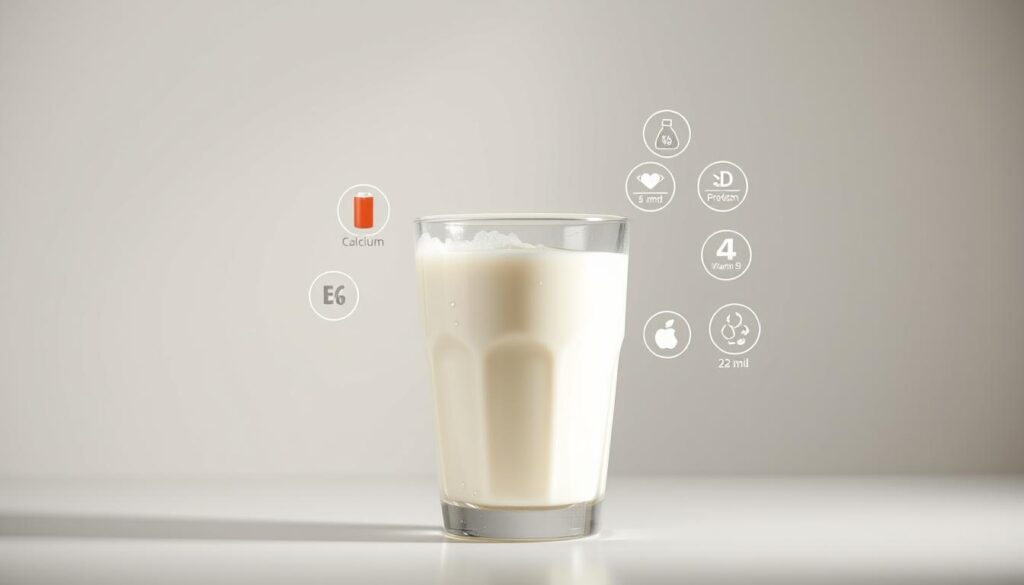
Milk isn’t just about calcium and vitamin D. It also has other nutrients that are good for your health. Experts say milk’s nutritional value makes it a great part of a balanced diet.
“Milk is a complex food that provides a range of essential nutrients, making it an excellent choice for supporting bone health and overall wellbeing.”
In short, milk is a nutritional powerhouse. It’s a great choice for a healthy diet because of its calcium, vitamin D, and other nutrients.
How Calcium Strengthens Bones
Maintaining strong bones relies on calcium absorption, helped by vitamin D. Calcium is key for building and keeping bones dense. This is vital for bone health.
Enough calcium intake helps avoid osteoporosis. This disease weakens bones and raises fracture risks. The Harvard School of Public Health says calcium is essential for strong bones all life long.

The calcium absorption process is vital for bone density. Vitamin D boosts calcium absorption, making bones stronger. It’s important to get enough calcium and vitamin D for good bone health.
Knowing how calcium absorption affects bone density helps prevent bone diseases. It helps keep bones strong and healthy all life long.
Vitamin D: The Bone’s Best Friend
Vitamin D is key for bone health. It helps with calcium absorption and bone mineralization. This vitamin is vital for strong bones by making calcium more available.
Dr. Gail Cresci, a top expert, suggests blood tests for vitamin D levels, mainly for older adults. This is important to find and fix any deficiencies for better bone health.
Having enough vitamin D is essential for bone health. It aids in calcium absorption and helps prevent bone diseases. A diet rich in vitamin D, sunlight, and supplements can greatly improve bone health.
For older adults, vitamin D is even more important. It helps lower the risk of osteoporosis and fractures. By knowing how vital vitamin D is and keeping levels healthy, people can greatly improve their bone health and overall well-being.
The Benefits of Lactose for Bone Health
Dairy products have lactose, a sugar that helps the body absorb calcium. This is key for strong bones. Lactose makes it easier for the body to take in calcium, which is good for bone density.
Lactose in milk and dairy is important for strong bones. It helps the body absorb calcium. This ensures bones get the nutrients they need to stay healthy.
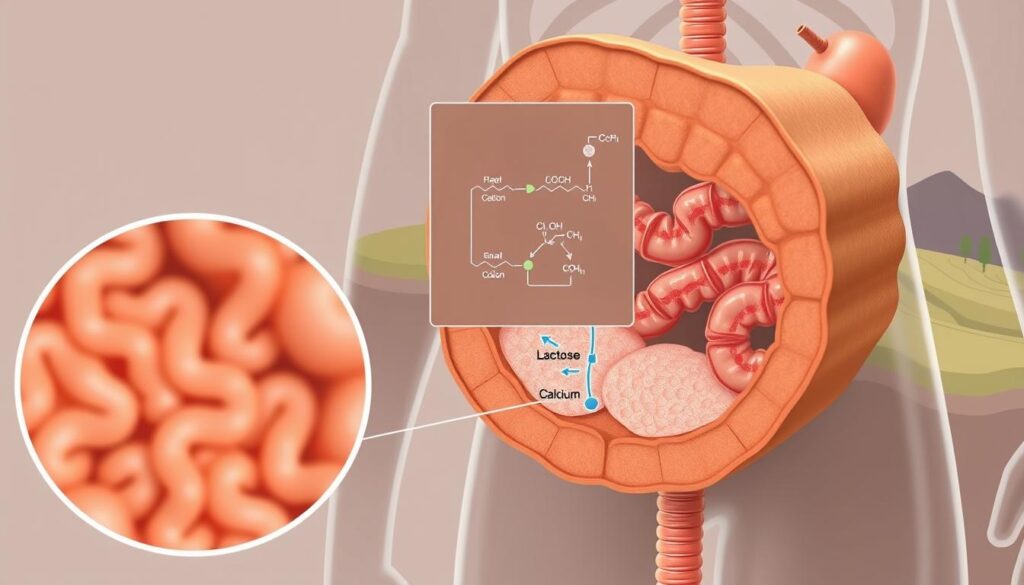
But, some people can’t digest lactose well. This is called lactose intolerance. It makes it hard for them to eat dairy, which can hurt their calcium intake and bone health.
For those who can’t digest lactose, there are other options. Lactose-free or non-dairy products with calcium can be good alternatives.
In summary, lactose in dairy is important for calcium absorption and bone health. Knowing how lactose helps and dealing with intolerance can guide people in choosing their dairy intake wisely.
Age and Bone Health: A Closer Look
The link between age and bone health is complex. As we grow from kids to adults, our bones change a lot.
In younger people, enough calcium and vitamin D are key for bone growth. Calcium helps build strong bones. Vitamin D helps our body use calcium better.
Children and teens need lots of calcium and vitamin D. This helps them build strong bones for later life. Without enough, their bones might be weak, raising the risk of osteoporosis and breaks.
After 50, the chance of osteoporosis goes up. Osteoporosis makes bones weak, leading to breaks. Women, after menopause, are at higher risk because of hormone changes.
To keep bones healthy at any age, eat well, exercise, and live healthily. Knowing what each age group needs helps protect our bones.
By caring for our bones from the start and keeping it up as we get older, we can lower the risk of osteoporosis and breaks. This way, we can live a healthier, more active life.
The Link Between Milk and Osteoporosis Prevention
Milk is known for its calcium and bone health benefits. But, the link between milk consumption and osteoporosis prevention is complex. Christopher Gardner, a top nutrition expert, says it’s not that simple.
Osteoporosis makes bones weak, leading to more fractures. Diet, like milk consumption, plays a big role in preventing osteoporosis. Milk has calcium and vitamin D, key for strong bones.
Studies show calcium is vital for strong bones and preventing osteoporosis. But, how milk affects osteoporosis prevention depends on many things. These include diet, lifestyle, and genes.
Some studies link milk to better bone density. But, its direct role in preventing osteoporosis is unclear. This shows we need a complete plan for bone health. This includes a balanced diet, exercise, and lifestyle changes.
In summary, milk consumption is good for bone health. But, its impact on osteoporosis prevention is part of a bigger picture. More research is needed to understand this link. This will help make better health choices and public health guidelines.
Milk Consumption Recommendations
Experts say moderation is key for drinking milk for bone health. Dr. Gail Cresci suggests drinking no more than one glass a day. This should be part of a diet rich in other calcium sources.
A Swedish study showed drinking three or more glasses of milk daily can increase mortality and fracture risk. This shows the need to balance milk intake for its benefits and to avoid risks.
Recommended Daily Intake
The daily milk intake varies by age and diet. Drinking milk in moderation, along with other nutrient-rich foods, supports bone health.
It’s important to look at your whole diet, not just milk. Eating a variety of calcium-rich foods helps keep bones strong.
Balancing milk with a healthy diet is key for strong bones.
Alternatives to Milk for Bone Health
People who can’t or don’t want to drink dairy can keep their bones strong. There are many non-dairy options that are full of calcium and vitamin D. These are key for keeping bones healthy.
Fortified plant-based milks like almond, soy, and oat milk are great substitutes. They often have added calcium and vitamin D. Choosing these milks can help you get enough calcium and vitamin D.
Leafy greens like kale and broccoli are also good for bones because they’re full of calcium. Adding these to your meals can help your bones. Other good sources include fortified cereals and tofu, giving you many options without dairy.
Always check the labels to make sure the alternatives you pick have calcium and vitamin D. This ensures they’re doing the most good for your bones.
Conclusion: Milk as a Bone-Building Habit
Drinking milk regularly can be a great way to keep your bones strong. Milk is full of calcium and vitamin D, which are key for bone health.
Adding milk to your diet, along with healthy eating and exercise, can boost bone health. It might even lower the chance of osteoporosis. Making milk a regular part of your routine can help keep your bones strong for years.
Healthy habits like drinking milk can greatly benefit your bones over time. By combining these habits with a healthy lifestyle, you can achieve the best bone health and overall well-being.