







The days when soda was a rare treat are long gone. Now, it’s a common part of our daily lives. This has led to many health problems.
Drinking sugary drinks often is linked to serious health risks. It’s time to think about how much we drink.
Looking into the effects of drinking soda often, we see a need for moderation. This can help reduce its harm to our health.
The History of Soda
The story of soda is quite interesting. It went from a rare treat to something everyone drinks. In the 1980s, soda was a luxury in many places, like Ghana, where it was only enjoyed sometimes.
But, with more ads and easier access, soda became a big part of life. Companies spent a lot on ads, making soda a common drink worldwide.
The Evolution of Soda Consumption
As the world grew, soda reached more people. This was thanks to better ways to make and move soda. It became cheaper and easier to get.
Changing Consumer Preferences
People’s tastes also changed, helping soda grow in popularity. New flavors and types of soda appealed to more people.
Knowing how soda became so popular helps us understand today’s trends. It shows how soda consumption trends have evolved over time.
Understanding the Ingredients in Soda
Learning what’s in your soda can be surprising, mainly the sugar content. Soda is made of many ingredients, but its high sugar is a big worry.
Soda includes carbonated water, sugar or sweeteners, flavorings, and preservatives. Carbonated water makes it fizzy, and flavorings give it unique tastes.
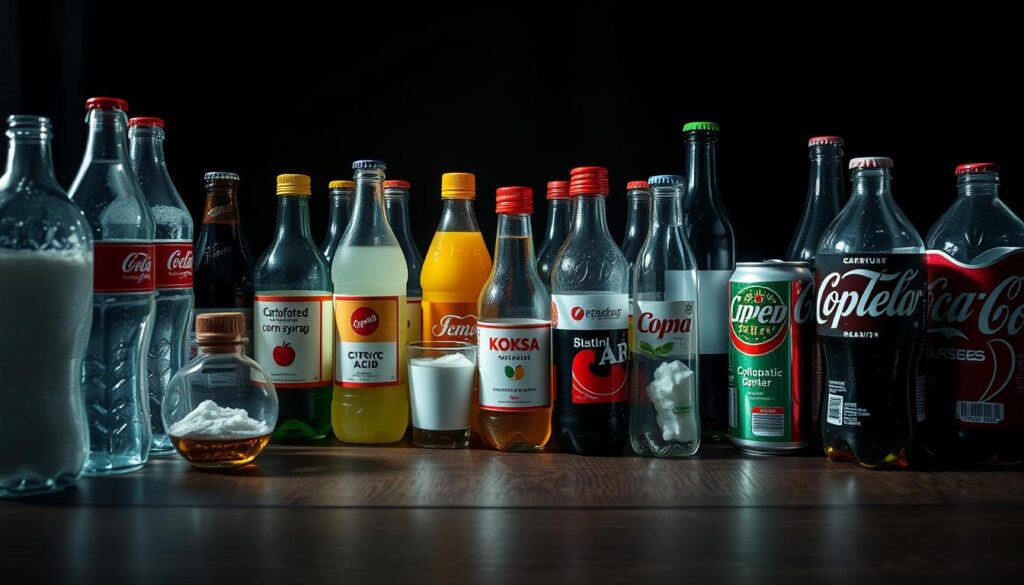
Sugar content is key in soda. Many sodas have a lot of added sugars. These sugars are linked to obesity, diabetes, and heart disease.
Drinking too much sugar can cause weight gain and health problems. It’s because of the high calorie intake.
Sugar makes soda taste better. But, health experts say we should drink less soda because of the sugar. Some sodas use artificial sweeteners to cut calories. But, there are debates about their health effects.
Knowing what’s in soda helps us make better choices. Always check the nutrition label for sugar content and other ingredients.
In short, knowing about soda’s ingredients, like sugar, helps us choose better drinks. Being careful about what we drink is a step towards a healthier life.
Health Impacts of Frequent Soda Consumption
The link between soda and health is complex. Drinking soda often can lead to many chronic diseases.
A study in Nature Medicine found sugary drinks caused over 330,000 deaths and 3 million new diabetes and heart disease cases in 2020. This shows the big health risks of soda. The sugar in soda can cause obesity, which is a big risk for Type 2 diabetes and heart disease.
Type 2 diabetes is a big worry because it can cause kidney disease and vision loss. Many studies show a link between soda and Type 2 diabetes. Heart disease is also a major risk, caused by obesity, high blood pressure, and other soda-related factors.
Health experts say cutting down on soda is key to avoiding chronic diseases.
“The evidence is clear: sugary drinks are a major contributor to the global burden of disease.”
In summary, the health risks of drinking soda often are big and wide-ranging. Knowing these risks helps us make better choices about soda.
The Difference Between Diet Soda and Regular Soda
It’s important to know the differences between diet soda and regular soda. This knowledge helps us make better choices about what we drink. Both types of soda are popular, but they have different ingredients and health effects.
Regular soda has high fructose corn syrup or sugar, which makes it high in calories. Drinking regular soda can lead to obesity, type 2 diabetes, and heart disease. Diet soda, on the other hand, uses artificial sweeteners like aspartame or sucralose. It’s a favorite for those watching their weight or sugar intake.
But, diet soda also has health concerns. It might cause tooth decay, headaches, and digestive problems. Some research also links artificial sweeteners to gut health issues and metabolic disorders.
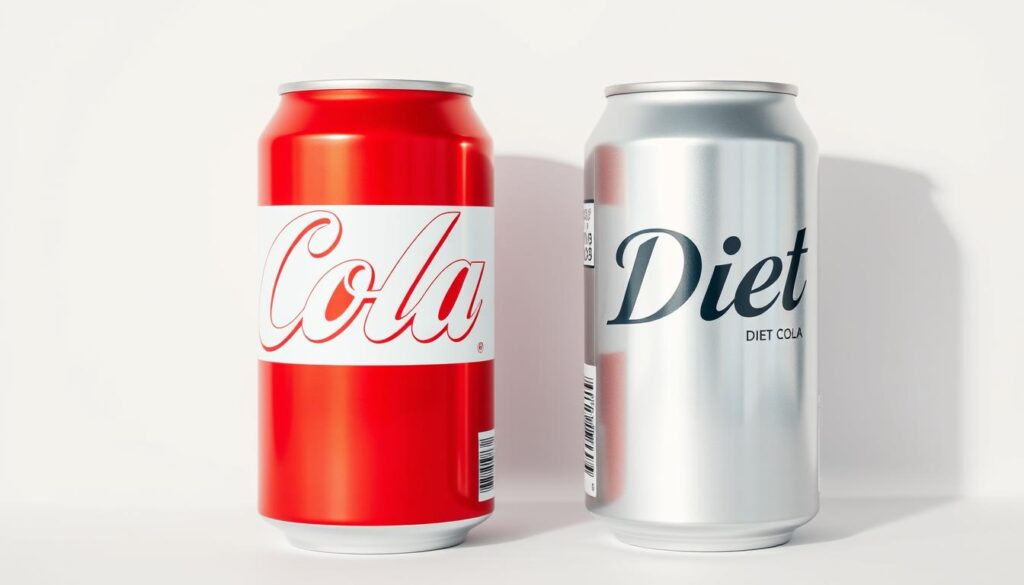
Both diet and regular soda have their downsides. Regular soda’s sugar content is a big worry, while diet soda’s artificial sweeteners are another risk. The best choice is to drink less of both and choose healthier drinks instead.
Understanding the differences between diet and regular soda is key to making good choices. Knowing the health risks helps us pick drinks that fit our health goals and tastes.
The Importance of Moderation in Soda Consumption
Learning to drink soda in moderation can greatly improve our health and lifestyle. It’s important to remember that cutting out soda completely might not work for everyone. Finding a balance is the key.
Strategies for Achieving Moderation
To drink soda in moderation, we can use several strategies. Setting limits on how much soda we drink can help. For example, we can treat ourselves to soda only sometimes.
Being aware of what’s in our soda is also important. Knowing the difference between diet and regular soda can help us make better choices.
Policy Measures and Personal Choices
Some suggest taxes on sugary drinks to lower soda use. Studies show these taxes can help reduce soda sales and promote healthier drinks.
On our own, we can choose water or unsweetened drinks over soda. As Michael Pollan said, “Eat food. Not too much. Mostly plants.” This advice can apply to drinks too, reminding us to make smart choices.
“The biggest challenge after you’ve made the decision to cut back on soda is finding alternatives that you enjoy.” –
Reaching moderation requires personal effort and a supportive environment. For instance, having water available at home, schools, and work can help us drink less soda.
In summary, moderation in soda drinking is a complex issue. It needs both personal dedication and societal support. By understanding moderation and using strategies to achieve it, we can improve our relationship with soda.
Alternatives to Soda
Looking to cut down on soda? There are many healthier alternatives out there. You can find fizzy drinks or warm ones, depending on what you like.
Water is a top choice for a soda substitute. It’s free of calories and keeps you hydrated. Adding fruits or herbs to water can make it more exciting.
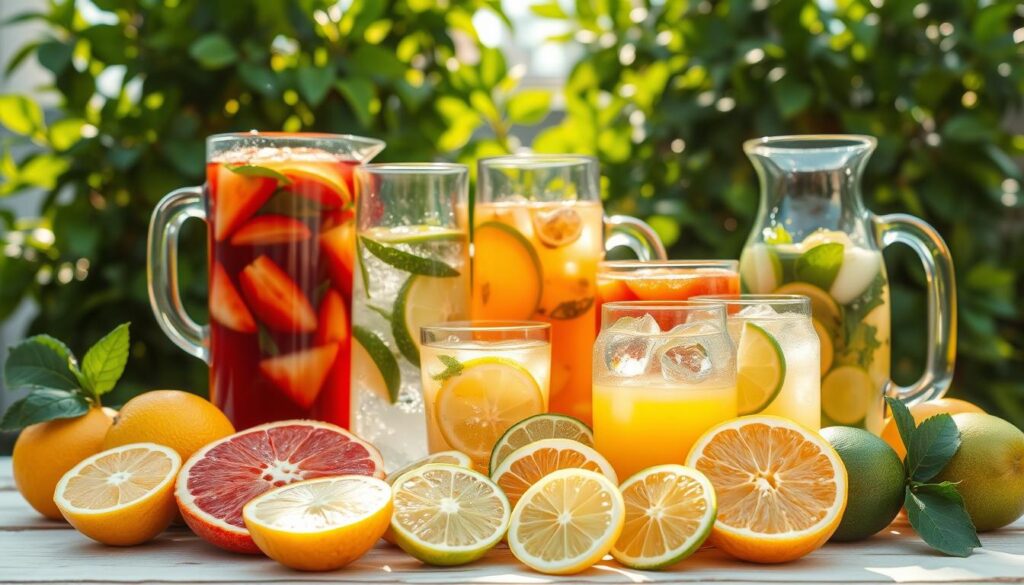
Unsweetened tea is also popular. It comes in many flavors and can be enjoyed hot or cold. Tea is known for its health benefits, like antioxidants and heart health.
Coffee is another favorite. It’s good for your brain and can lower disease risk when drunk in moderation.
“The key to a healthier lifestyle is making informed choices. By opting for beverages like water, unsweetened tea, and coffee, individuals can significantly reduce their soda consumption and improve their overall health.”
Missing the fizz of soda? Try sparkling water or seltzer. Adding a squeeze of lime or lemon can make it taste better without sugar.
Trying these alternatives to soda can make your drink choices healthier. Choosing drinks with less sugar and calories is a big step towards a better lifestyle.
The Cultural Impact of Soda
Soda has grown beyond just a drink. It’s now a big part of urban and educated cultures. It shows up in many parts of our lives, like at social events and cultural happenings.
In cities, soda is a big part of daily life. It shows how society is changing. Soda is loved worldwide, fitting into local tastes but staying popular globally.
In many places, soda is more than a drink. It stands for modern life and global connections. For example, at social events, soda is often served. It shows kindness and a warm welcome.
The cultural significance of soda also shows in its marketing. Brands use local customs to reach more people. This makes soda a key part of our culture.
The effects of soda go beyond just drinking it. Its making and sharing affect economies and the environment everywhere.
Looking at soda’s cultural impact, we see how it mixes globalization, culture, and how we buy things. Understanding this helps us see how soda shapes and shows our cultural values.
Environmental Concerns Related to Soda
The soda industry has big environmental problems that many ignore. A major issue is the packaging waste it creates.
Soda companies use a lot of single-use packaging like plastic bottles and aluminum cans. Millions of tons of this waste end up in landfills and oceans every year. This harms animals and pollutes our planet.

The making of soda also has a big environmental cost. It uses a lot of energy and water, leading to more greenhouse gases and less resources. Plus, moving soda around adds to its carbon footprint.
To fix these problems, people are looking at better ways to do things. They want to recycle more, use greener packaging, and make production more efficient.
Knowing how soda affects the environment helps us choose better. We can pick drinks that are kinder to our planet. This can help reduce the harm caused by soda.
The Economic Aspect of Soda Consumption
Health concerns are changing how people drink, hitting the soda industry hard. Soda used to be a big part of the global drink market. But now, as people choose healthier drinks, soda sales are going down.
The economic impact of soda is wide, touching the drink industry and others like packaging and marketing. To keep up, the soda industry is trying new things. They’re making drinks with less sugar and introducing new, low-calorie options.
The soda industry’s problems aren’t just about sales. Making and moving soda costs the environment and health. So, some companies are starting to focus on being more green and promoting healthy living.
Also, more people want drinks like water, tea, and coffee. This has made the soda industry look for new ways to make money. They’re buying into companies that make these drinks to expand their offerings.
In short, the economic side of soda is very complex. It affects the industry and others a lot. As people’s tastes change, the soda industry must keep up. This means changing what they make and focusing on being sustainable and finding new markets.
Conclusion: Rethinking Soda as a Rare Treat
Rethinking how we drink soda is key to a healthier life. The history of soda, its ingredients, and health effects all show we need to drink it less. Drinking soda too often can lead to many health problems, so it’s important to cut down.
Knowing the difference between diet and regular soda helps us make better choices. There are also healthier alternatives to soda. The impact of soda on our culture and environment adds to the need for moderation. Companies like Coca-Cola and PepsiCo are starting to offer healthier options, showing a change in how we view soda.
Choosing to drink soda less often is a big step towards being healthier. Making soda a special treat can greatly lower the risks of health issues linked to drinking it too much. It’s time to rethink our soda habits and choose better ones.