







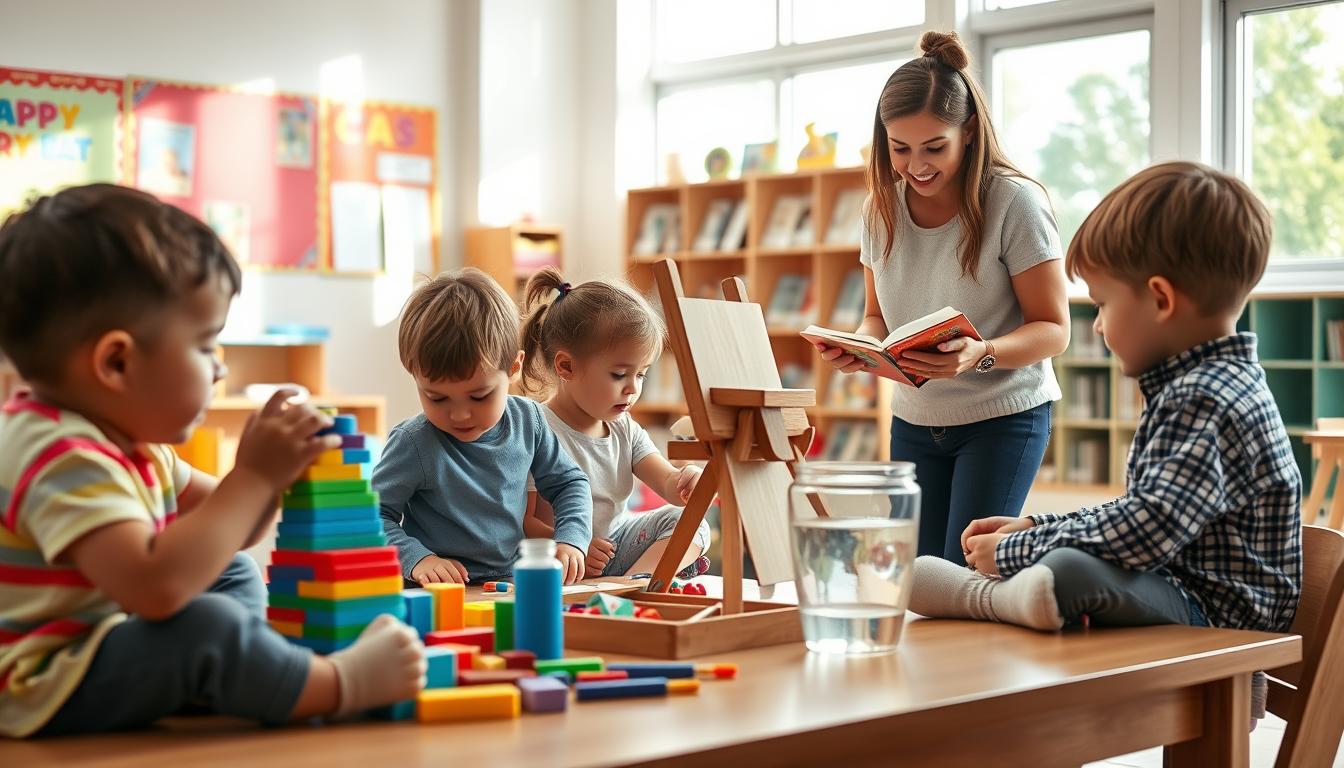
Giving children chores is a great way to teach them important life skills. It makes them feel important and valued. By starting early, parents help kids develop a strong work ethic and independence.
Assigning age-appropriate tasks is key for children’s development. It helps parents and teaches kids to be responsible. Research shows that kids who start early are more self-reliant and develop vital skills.
Starting early with simple tasks is a great parenting tip. It prepares kids for bigger responsibilities as they get older. This way, parents create a space for growth, independence, and a sense of duty.
Understanding Responsibility in Children
Teaching kids to be responsible is key for their growth. Kids can do more than we think. Even toddlers can start with simple tasks.
Teaching kids to be responsible is more than just giving them chores. It’s about showing them the value of helping out and caring for others. As they get older, they can take on bigger tasks, becoming more independent.
Children’s responsibility grows through activities that match their child development stages. Knowing these stages helps parents give tasks that fit their child’s age and skills. This makes learning easier.
Teaching kids to be responsible takes time, patience, and positive feedback. As kids grow, they get better at handling tasks. This prepares them for a successful, independent life.
The Benefits of Age-Appropriate Tasks
Assigning tasks that match a child’s age is key to their growth and responsibility. By giving children age-appropriate tasks, parents help them learn important life skills. This is a big part of child development.
Teaching children to do chores helps them feel responsible and boosts their self-confidence. It also helps them grow as a person. When kids do tasks, they learn to take care of themselves and help out at home.
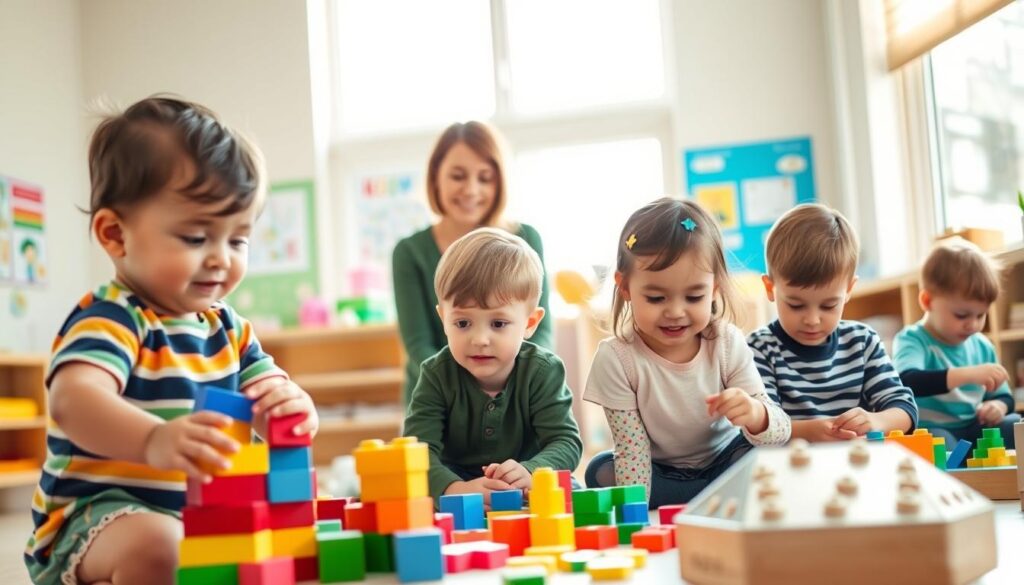
Tasks that fit a child’s age are just right, not too hard or too easy. This keeps them interested and motivated. Kids feel proud of themselves when they finish tasks, which is good for their feelings and mind.
Also, age-appropriate tasks help kids become independent. They learn skills they’ll use all their lives. Starting early helps kids build a strong base in life skills, making it easier to become independent.
In short, giving kids tasks that fit their age has many benefits. It helps with their child development and makes the family stronger. Parents play a big role in helping their kids grow into responsible, independent people.
Age Milestones for Responsibility
The journey to independence starts with knowing age milestones for responsibility. As kids grow, they can do more complex tasks. It’s key for parents to spot these milestones.
Children grow at their own pace, but there are common developmental stages. For toddlers, starting with simple tasks like picking up toys is great. They can also help set the table.
When kids reach preschool age, they can do more. They can help with simple meal prep or feed pets. Parents should give parenting tips that help kids feel independent but stay safe.
Early Elementary Kids and Task Management
Early elementary kids can take on more. They can do homework alone, help with laundry, or look after younger siblings. This is a key time for teaching time management and household contributions.
By knowing these age milestones and adjusting tasks, parents can help kids feel responsible and independent. It’s about finding the right balance between helping and letting kids learn from their experiences.
Examples of Tasks for Toddlers
Toddlers are naturally curious. Involving them in simple tasks is a great way to foster their development. At this age, children start to explore their surroundings and understand cause-and-effect relationships.
Some tasks suitable for toddlers include putting toys away, filling up a pet’s food bowl, and wiping up spills. These simple chores help develop their fine motor skills and hand-eye coordination.
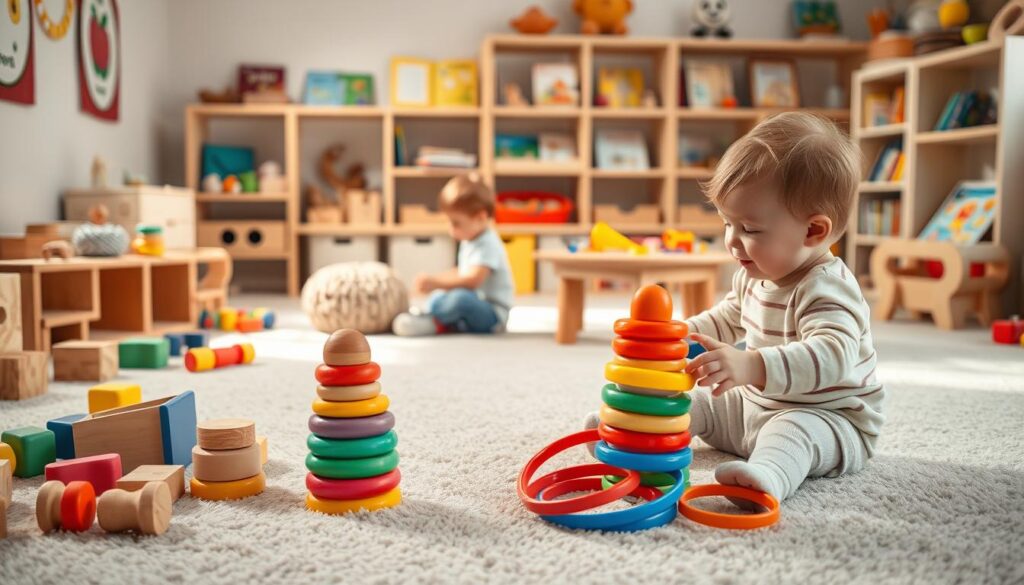
Encouraging toddlers to help with household tasks can be fun for both parents and children. By praising their efforts and making tasks enjoyable, parents can instill a sense of responsibility in their toddlers.
To encourage toddlers, parents can start by demonstrating the task and then gradually involving the child. For example, when putting away toys, a parent can say, “Let’s put the blocks away together!” This makes the task a collaborative effort and helps the child feel included.
By following these parenting tips and providing opportunities for toddlers to engage in simple tasks, parents can lay the foundation for a lifelong sense of responsibility and independence in their children.
Encouraging Preschoolers with Tasks
It’s key to encourage preschoolers with tasks. These tasks teach them important life skills and responsibility. At this age, kids want to help their parents and can learn simple tasks on their own.
They can start with tasks like making their beds, clearing the table, and simple laundry. These activities help the household and improve their fine motor skills and hand-eye coordination.
Building Skills through Tasks
Assigning tasks to preschoolers helps build their skills and supports child development. Feeding pets, helping with meals, and putting away toys are great for their organizational skills and sense of responsibility.
As preschoolers do these tasks, they feel more confident and accomplished. It’s important for parents to praise their efforts and encourage them to take on more tasks.
“The way we teach children to behave is not by lecturing them, but by example, by showing them, and by providing a safe and supportive environment for them to learn and grow.”
By giving preschoolers tasks that fit their age, parents help a lot with their development. This fosters independence and responsibility in children.
Building Responsibility in Early Elementary Kids
It’s key to teach early elementary kids to be responsible. They learn not just in school but also in life skills. This helps them grow into independent people.
As kids get older, they can take on more tasks. They can start with sweeping floors, making their beds, and helping with laundry. These tasks teach them about being accountable and self-reliant.
Experts say giving kids tasks boosts their confidence. “Children who start young with responsibilities become more self-sufficient and confident,” a child psychologist notes. This confidence helps them in school and with friends.
“The way we teach children to be responsible is by giving them responsibilities.”
Parents should start with simple tasks and add more as kids grow. Always praise their efforts, even if they make mistakes. This keeps them motivated to take on more.
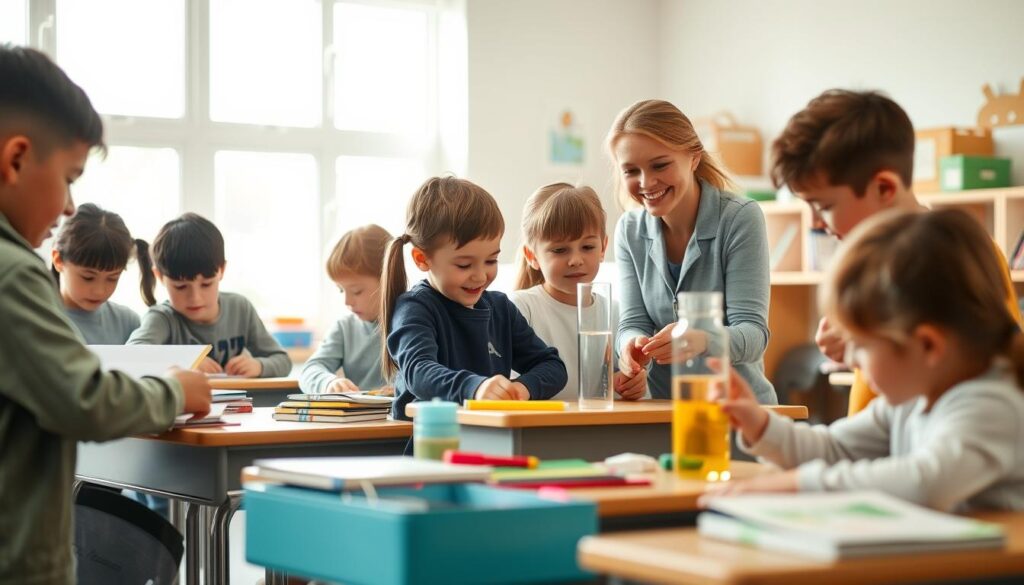
Also, let kids help with household chores and decisions. Letting them decide how to organize their room or help with meals makes them feel more involved. This helps them understand the impact of their actions.
In summary, teaching responsibility to early elementary kids takes time, patience, and encouragement. By giving them tasks and praising their efforts, we help them become capable and independent.
Tasks for Tweens to Foster Independence
Assigning tasks to tweens is key to their independence journey. At this age, they can handle more complex tasks. These tasks help them grow and manage the household.
Tweens can do many tasks on their own, like washing dishes, making simple meals, and taking out the trash. These tasks teach them responsibility and independence. Preparing simple meals is a vital skill that also shows them self-sufficiency.
It’s important to keep giving tweens more challenging tasks as they grow. This could mean managing their schedules, doing laundry, or helping with grocery shopping. This helps them develop problem-solving skills and a sense of responsibility.
To foster independence in tweens, parents should gradually give them more responsibilities. This prepares them for the challenges of adolescence and beyond. It’s about finding the right balance between guidance and independence.
Tips for Assigning Age-Appropriate Tasks
Teaching kids to do things on their own is key. Giving them tasks that fit their age and skills helps them feel responsible. It also boosts their confidence.
Using a chore chart or task list is a great way to keep kids on track. It makes them feel proud when they finish their tasks. Experts say it helps kids get into a routine and know what’s expected of them.
When making a chore chart, pick tasks that fit the child’s age. Toddlers can start with simple things like picking up toys. Older kids can do more, like helping with laundry or making simple meals.
“The key to successful task assignment is to ensure that the tasks are challenging yet achievable for the child.” This way, kids learn to take their responsibilities seriously. They also feel proud of what they accomplish.
“Children who are given responsibilities at a young age are more likely to grow into capable and independent individuals.”
To make assigning tasks even better, parents can follow some tips:
Be Clear and Specific
Make sure the child knows what they need to do. Explain it clearly.
Demonstrate and Guide
Show them how to do the tasks at first. Then, guide them as they learn. This helps them get better at it.
Praise Efforts and Achievements
Always thank them for trying and for doing well. This makes them want to keep up the good work.
By using these parenting tips and chore charts, parents can teach kids to be responsible. This helps them become independent and confident.
Overcoming Challenges in Task Delegation
Teaching kids to do tasks needs patience, consistency, and knowing their limits. They might not want to do chores at first. But, with steady expectations and positive feedback, they can start to help out.
Managing Resistance is key in teaching kids to do tasks. When they push back, stay calm and don’t give in. Acknowledge their feelings and push them to finish their tasks.
One good way is to make chores a daily part of their routine. This makes them used to helping out at home. Also, praising their efforts and recognizing their successes can make them more eager to help.
Another hurdle is keeping up consistency. It’s tempting to let kids off the hook when they’re busy or don’t want to. But, being consistent teaches them that helping out is everyone’s job.
Positive Reinforcement is important to get kids to do tasks without being forced. Use words of praise, stickers, or other rewards that show you value their hard work and achievements.
The Role of Parents in Teaching Responsibility
Parents play a big role in a child’s life, teaching them to be responsible. By modeling responsible behavior, they show kids the importance of being accountable. This means showing them how to manage time, keep things organized, and take responsibility for their actions.
Parents need to guide and support their kids well. They should explain why tasks are important, set clear expectations, and praise kids when they do well. Parenting tips often say that being consistent and following through is key in teaching new habits.

Parents should also get involved in their kids’ activities and help when needed. This helps teach responsibility and builds independence and self-confidence. As kids grow, parents start to support them more, letting them handle more on their own.
In the end, parents have a big role in teaching responsibility. By modeling behavior and guiding their kids, parents help raise responsible, independent, and confident children.
Celebrating Achievements in Responsibility
Celebrating kids’ achievements in responsibility is key in parenting. It shows parents care and encourages kids to keep being responsible.
Thanking kids for their hard work helps them feel a sense of duty. When they feel seen, they’re more likely to take on more tasks. This helps them grow in responsibility.
Effective Ways to Celebrate Achievements:
There are many ways to celebrate kids’ responsible actions. Saying “thank you” is powerful. It directly shows appreciation for their efforts.
For younger kids, a hug or sticker can also work well. It’s a non-verbal way to show they’re noticed.
Using a “Responsibility Chart” or “Job Well Done” jar is fun. It helps kids see their progress. This motivates them to keep up the good work.
By celebrating, parents boost positive behavior. This helps kids grow in responsibility. It also makes family life better and more cooperative.
Celebrating achievements is not just about the end result. It’s also about the effort and progress made along the way.
Conclusion: The Path to Independence
Teaching kids to do tasks on their own is key to growing up. Parents play a big role by guiding and helping. This helps kids learn to handle life’s ups and downs.
As kids get older, they learn important skills. These skills help them become more independent. Parents can help by teaching them to be responsible and self-sufficient.
The secret to raising independent kids is finding the right balance. Parents should give tasks and guidance. This way, kids learn to be responsible and independent. It prepares them for the future and helps with their growth.